FSM and CRM are best-of-breed solutions that tackle two areas essential to field technicians – customer service and customer experience. When in sync, companies can benefit from improved service levels and increased revenue.

Safety Checklists: Using Technology to Protect Workers on the Jobsite
Cloud-based reporting technology can improve safety reporting by eliminating the learning curve for long-time workers and lowering the investment barrier to purchasing and implementing new technology.
Constructing an RMIS Solution to Meet the Demands of a Growing Construction Industry
With cutting-edge technology becoming more mobile, less expensive and more accessible, the introduction of a risk management information system (RMIS) is becoming a reality.
Perimeter Site Monitoring: A Smart Decision on Construction Projects
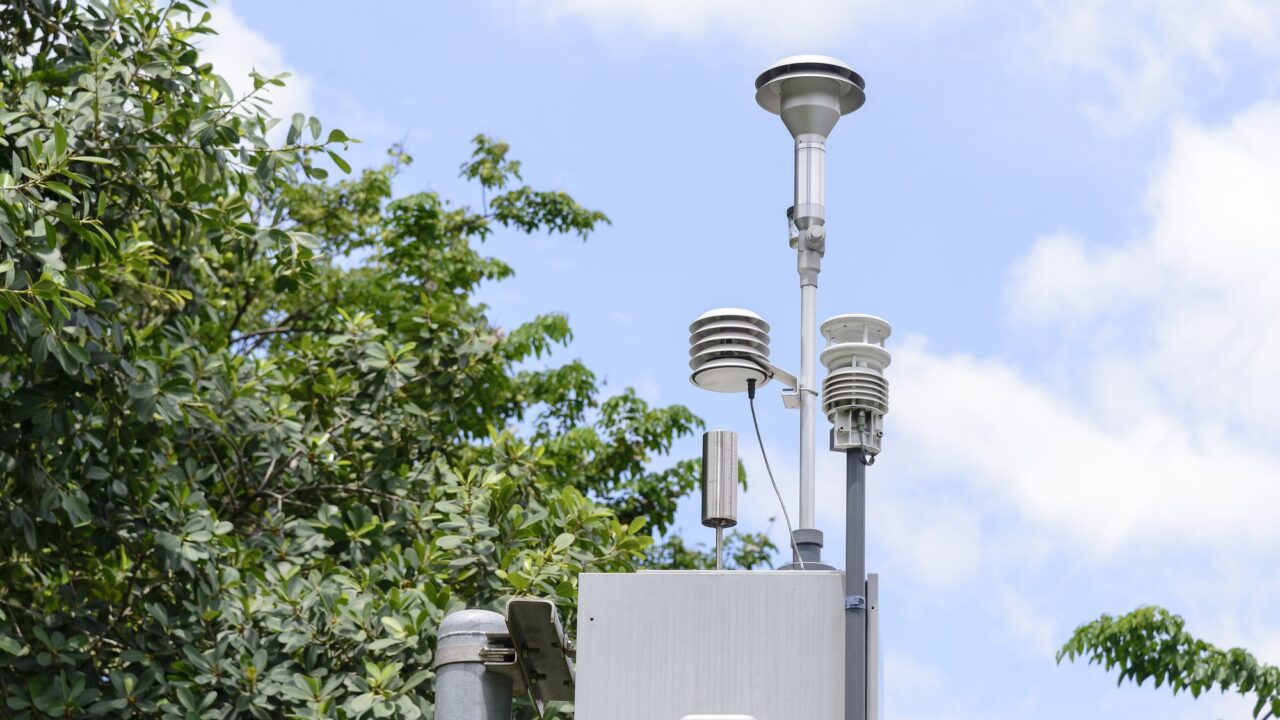
Worksite dust can compromise air quality, excessive noise can be a nuisance and vibration can damage nearby property. Whether required by law or not, real-time boundary monitoring may be a wise choice.
Five Ways Drones Enhance Safety Onsite
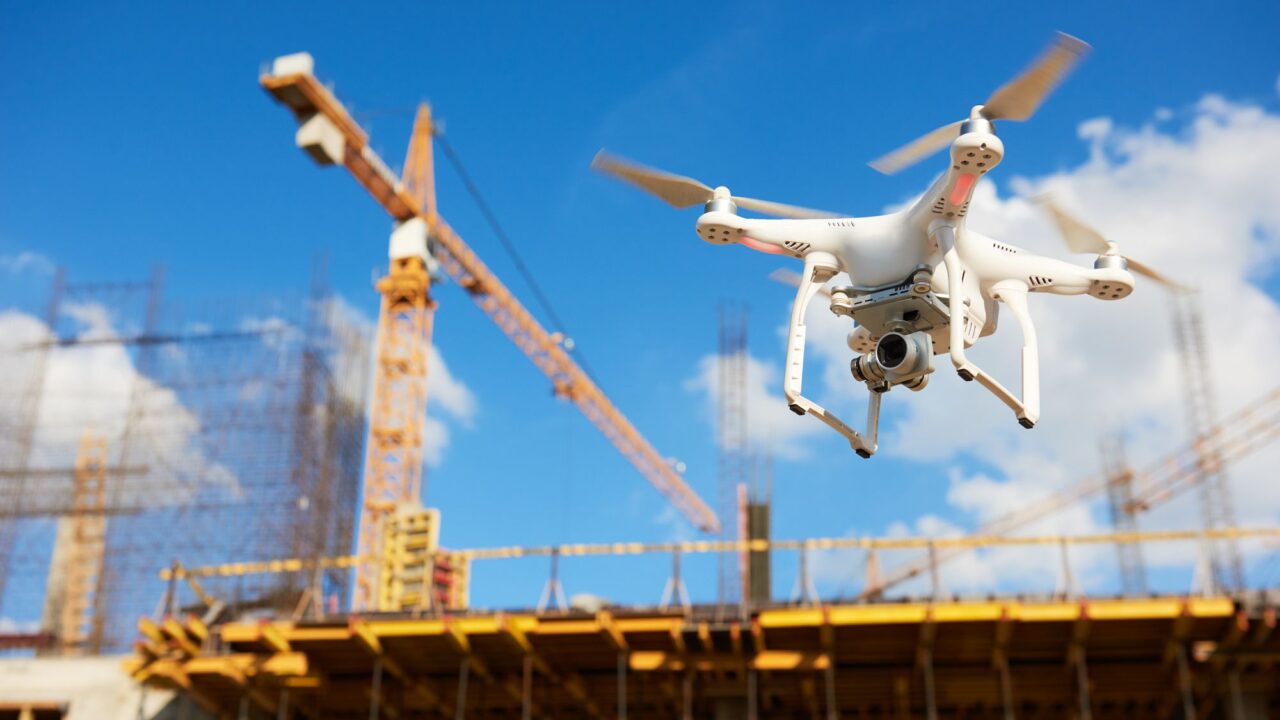
Drones can take jobsite safety to a whole new level. The ability to monitor and maintain the construction site from distance is a big step forward to a safer and more efficient building process.
Digitizing T&M Tracking on Construction Projects
How can construction companies make the best use of consolidated and connected software solutions while protecting frontline personnel from the added burden of reporting? By focusing on solutions that support connected workflows directly from the field.
Is Real-time Location Sensing the Future of Construction?
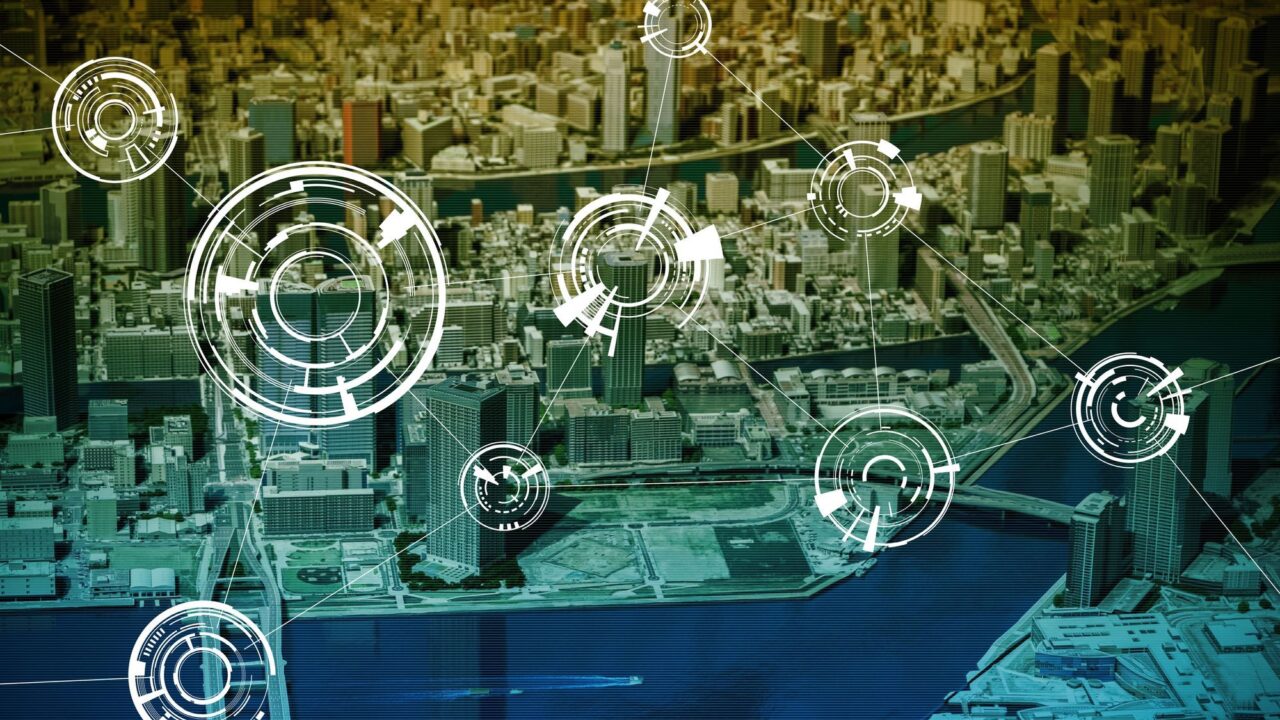
Real-time location sensing (RTLS) describes a range of technologies for locating an asset or resource—from radio frequency-based approaches to determining distance by measuring the difference between fixed anchors of beacons/tags that are affixed to personnel, equipment and materials.
Construction Cameras Help Settle Disputes and Keep Winter Projects on Schedule
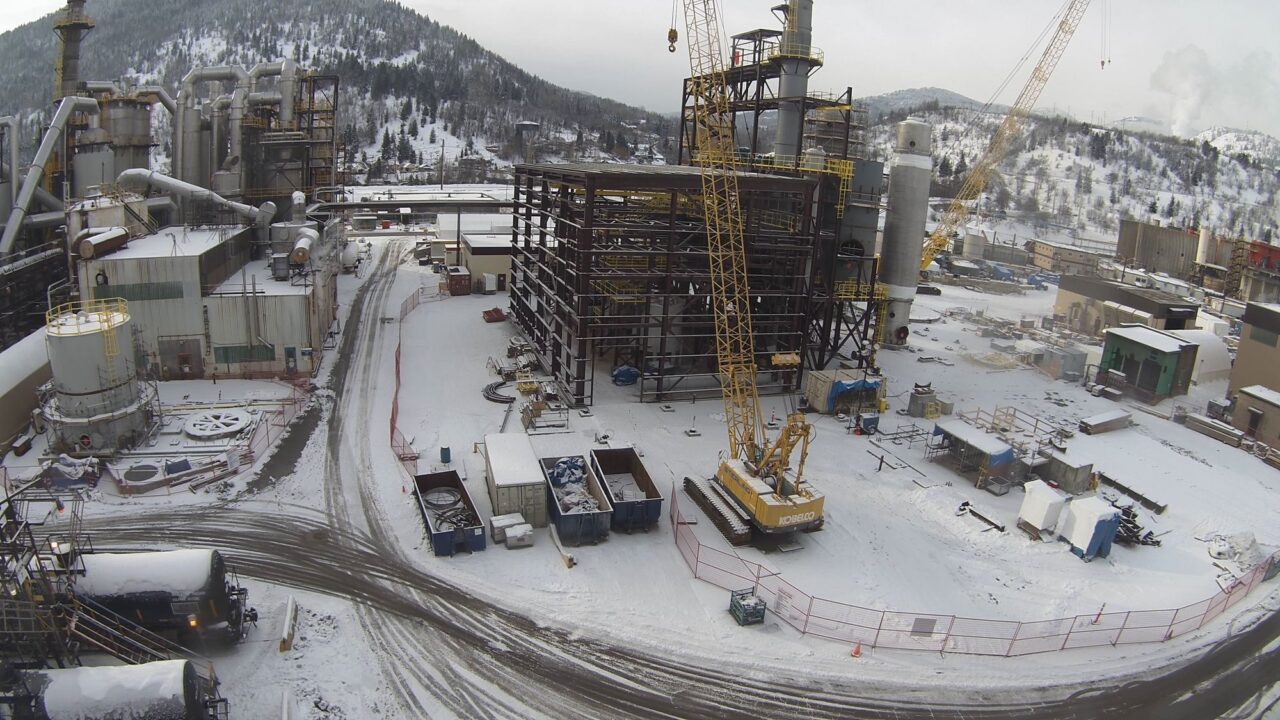
Keeping jobsite cameras on when the weather gets cold and progress slows can show weather impacts on a jobsite, confirm or refute claims of delays, deter or solve thefts and document workplace injuries.