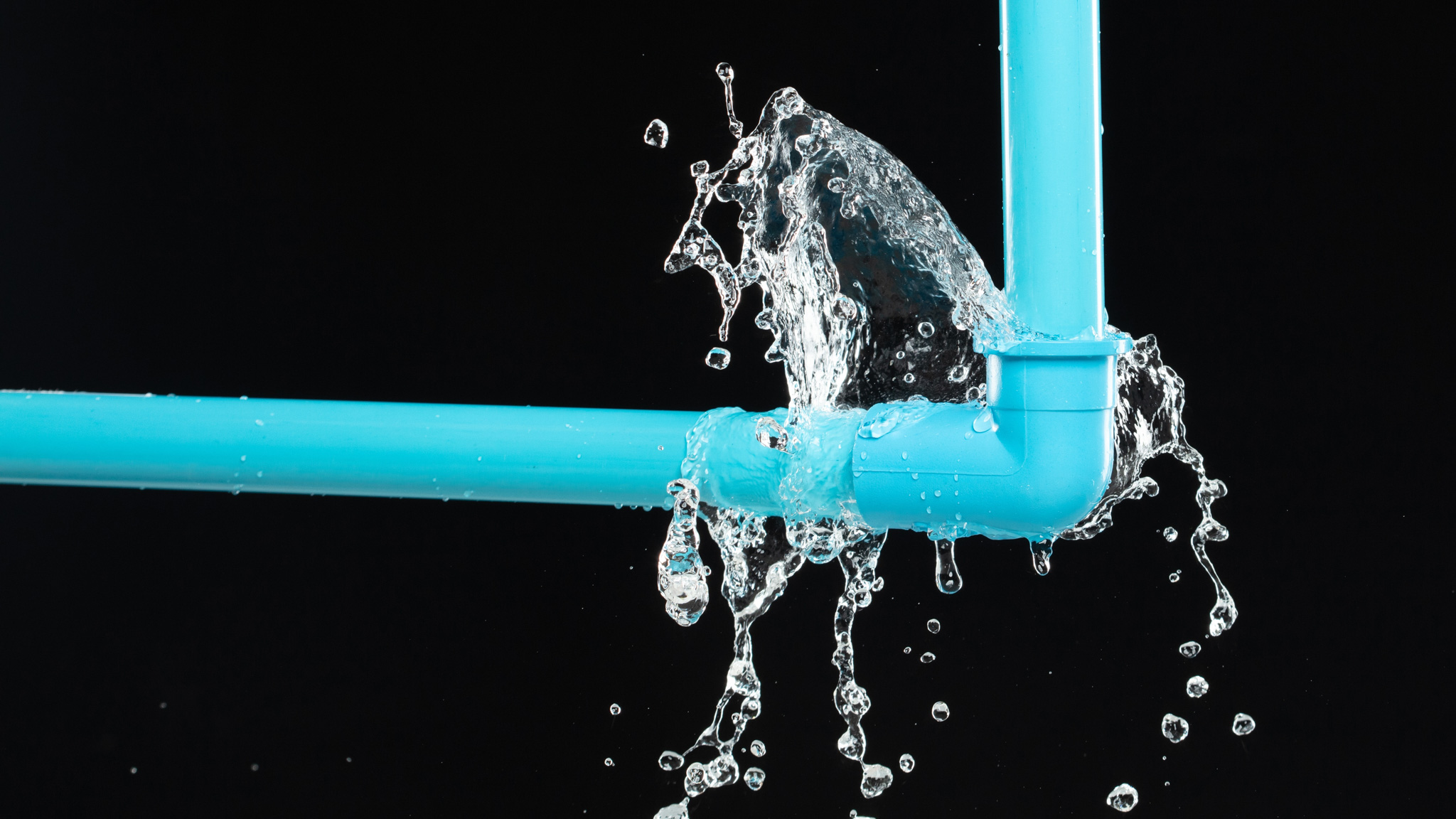
Water intrusion drives most construction disputes because the exterior building envelope is not formally performance-verified after installation in the way structural, mechanical or life-safety systems are. There is no required jurisdictional inspection that confirms the roof or waterproofing system is watertight before turnover. Substantial completion often occurs based on visual observation alone.
The building envelope is the most complex system on a project. It is the intersection of multiple trades: roofing, mechanical, electrical, structural, glazing and waterproofing. Most of the time, those trades are coordinating together for the first time in the field. Manufacturer standard details rarely account for every odd angle, penetration or transition. Field conditions require adjustments. Even when architects approve custom details, installers must still manage weather conditions, cure times, adhesion requirements, material compatibility, and long-term expansion and contraction. Small deviations, such as an overlooked fastener, a minor cut, or a tool puncture, may not be visible but can become future failure points.
Studies show that for approximately every 14,000 square feet of finished roof, there can be more than 250 potential breach points or areas susceptible to intrusion. Yet historically, the only ways to confirm integrity have been visual inspection or flood testing—both significantly flawed.
Water will always find the opening if one exists.
When a leak appears months or years later, it becomes extremely difficult to assign responsibility. Was it installation? A later rooftop penetration? Material incompatibility? Work by another trade? General contractors often carry only a one- or two-year workmanship warranty, and after that period liability becomes unclear or contractually limited. If detailed QA/QC documentation was not established at turnover, there is no objective baseline proving the roof’s condition at completion.
That lack of verification, combined with the complexity of envelope coordination, is why water intrusion drives so much litigation in construction. It is not that contractors intend to cut corners. It is that the system itself has historically relied on assumption rather than measurable confirmation.
How Electronic Leak Detection Works and Why It’s Being Specified More Often
Electronic leak detection verifies the integrity of a roofing membrane using low-voltage electrical testing. Because commercial roofing membranes are non-conductive, they act as insulators. When an electrical current is applied across the surface, any breach, such as a cut, seam void, fastener back-out or tool puncture, creates a pathway to the conductive substrate below. The equipment pinpoints the exact location, allowing it to be repaired and immediately retested.
Unlike visual inspection, ELD identifies defects invisible to the naked eye. Unlike flood testing, it does not require saturating the roof with water. It provides measurable confirmation of membrane integrity. The most critical time to perform ELD is immediately after installation and before turnover. Without testing, contractors and owners are relying on probability that none of the 250 probable vulnerabilities will evolve into leaks.
When ELD is conducted at completion, every defect is identified, repaired and retested until zero breaches remain. That creates a documented baseline proving the roof was watertight at turnover. This baseline protects all stakeholders.
For owners, early detection preserves lifecycle performance. Moisture intrusion degrades insulation, reduces R-value and accelerates membrane failure. A roof designed to last 20 years can lose years of service life from a small undetected defect in year one. Roofs tested with ELD at installation have demonstrated significantly higher probabilities (76%) of achieving their full lifecycle because defects are remediated before occupancy. For general contractors and installers, ELD reduces ambiguity. If an issue arises later, documentation establishes the condition of the roof at turnover, helping distinguish between installation deficiencies and post-installation damage.
There are also financial implications. Water intrusion drives a substantial portion of property claims. Owners who implement documented envelope testing and preventative maintenance programs demonstrate proactive risk management to insurers. While underwriting varies, verified envelope integrity and maintenance documentation strengthen renewal discussions and long-term asset protection strategies.
ELD is being specified more often because it closes a long-standing verification gap in construction. Mechanical systems are commissioned. Fire suppression systems are tested. Historically, roofing systems have relied primarily on visual confirmation. As projects grow more complex and litigation tied to water intrusion continues to rise, assumption is no longer acceptable. Electronic leak detection provides measurable proof of performance, protecting the owner’s investment, extending lifecycle durability and reducing dispute risk from day one.
Why Early Detection Is Critical for Hospitals, Data Centers, Schools and Municipalities
Early detection is especially critical in hospitals, data centers, schools and municipal facilities because these buildings cannot tolerate operational disruption. In hospitals, moisture intrusion threatens more than finishes. It can impact infection control zones, sterile environments and sensitive medical equipment. These roofs often carry heavy mechanical density, meaning more penetrations and more coordination risk. Verifying membrane integrity before occupancy reduces exposure in highly regulated environments.
Data centers operate with near-zero tolerance for failure. A single leak above server infrastructure can result in equipment damage, shutdowns and measurable revenue loss per minute. Early detection protects business continuity and mitigates high-severity insurance claims tied to interruption and equipment damage.
Schools and municipal buildings face financial and public accountability pressures. Emergency roof failures often pull from limited maintenance budgets and disrupt essential community services. Because many public facilities rely on long-term capital planning and bond funding, premature roof degradation can derail financial forecasting for years.
Another key factor is rooftop traffic. These facilities frequently undergo equipment upgrades over time. Without a verified baseline at turnover, it becomes difficult to distinguish between original installation defects and damage caused by later service work. Early electronic leak detection establishes that baseline, protecting the owner throughout the building’s lifecycle.
In mission-critical facilities, the cost of preventative verification is minimal compared to the operational, financial and reputational impact of failure. Early detection transforms the roof from a passive component into a verified system, reducing risk before the building ever goes fully live.
SEE ALSO: PREVENTING COMMON AND COSTLY WATER INTRUSION EVENTS IN CONSTRUCTION