Construction, demolition and large-scale renovations are a necessity in densely populated areas, but these undertakings are not always pleasant to be around. Dust from the jobsite can compromise air quality in the surrounding area, excessive noise can be a nuisance and vibration can cause damage to nearby property. Especially when sensitive structures or populations reside nearby—such as hospitals, schools, hotels or historic buildings—the disruption stemming from a jobsite can quickly cause discord between jobsite management and the surrounding community. In some cases, perimeter air monitoring and controlling these levels is mandated by regulation; in other cases, it is simply an ethically responsible course of action.
No one wants to be a bad neighbor or employer. When certain jobs need to be done, however, it can be difficult to avoid causing annoyance or potentially dangerous conditions without reliable data streams and robust processes for monitoring airborne contaminants at the site perimeter and responding to gathered environmental data. That is why more and more companies are turning to boundary monitoring technology to maintain a good relationship with people living and working near jobsites while also protecting themselves from health hazards, litigation and fines.
What is boundary monitoring?
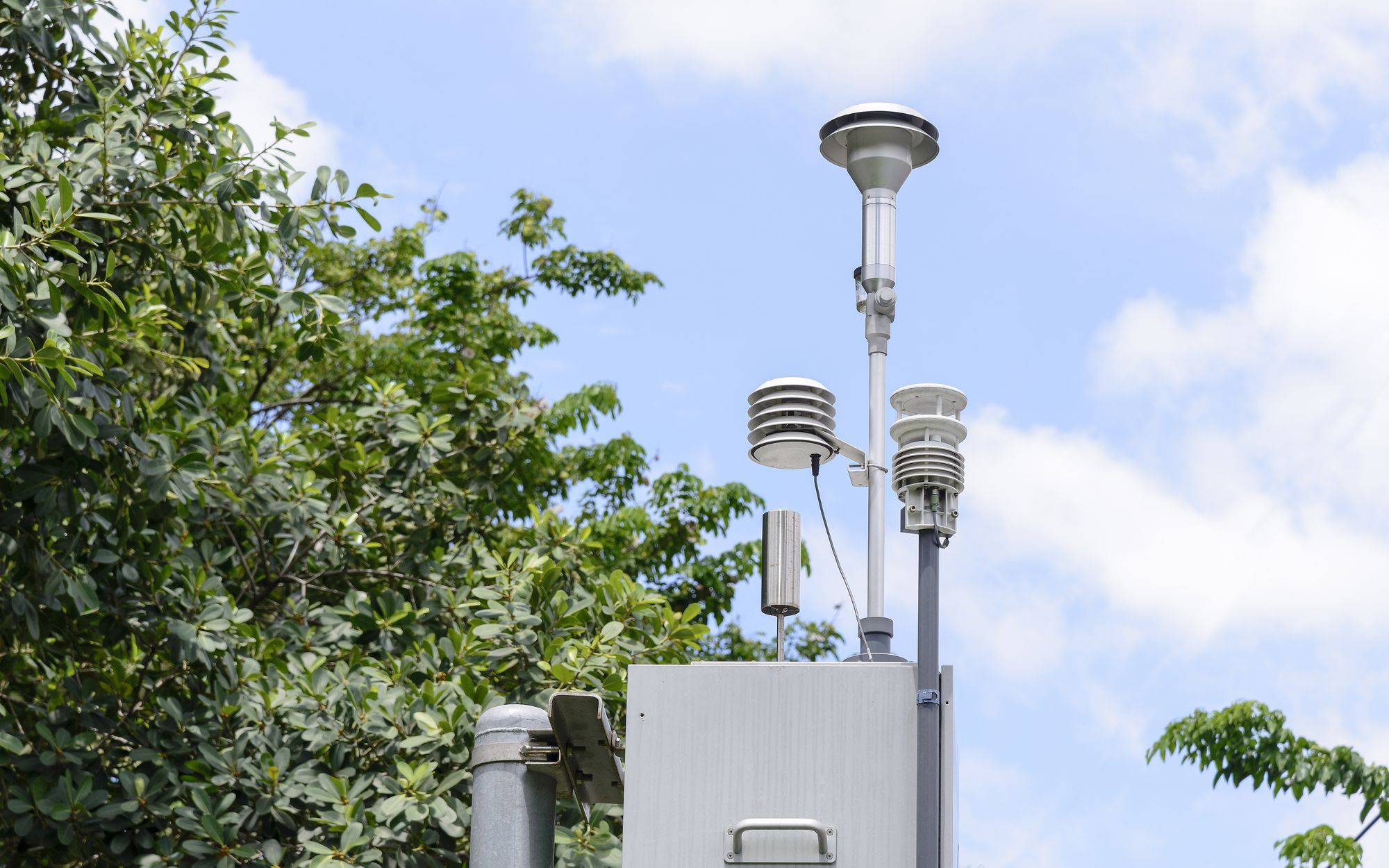
Boundary monitoring refers to the use of dedicated systems that monitor noise, dust, vibration and meteorological conditions around a jobsite to ensure that construction companies and other responsible parties are complying with all applicable limits on the byproducts of their work. Boundary monitoring systems are typically deployed across sites of construction and demolition projects, environmental remediation, mining and quarrying, waste transfer, heavy road traffic and other places where compliance-related monitoring is required.
Strong long-term real-time air quality monitoring systems are designed as a cost-effective alternative to having on-site experts conduct manual monitoring. These solutions are meant to require little upkeep or maintenance while continually measuring conditions on or around a jobsite, and they are designed for easy setup and use.
Boundary monitoring systems may be available in different sensor configurations to suit purchasers’ needs for monitoring of dust, noise, vibration, wind speed/direction or all of the above. Limits can be customized for dust, noise and vibration, and if the boundary direct-reading air monitoring system detects that allowable levels are surpassed, alert emails or text messages are sent via the strongest cellular network available to appropriate parties. If necessary, dust suppression systems can also automatically be engaged on the jobsite. Boundary monitoring system alerts can be configured for delivery to different parties depending on detection events, and reports can either be generated according to a customized schedule or on demand through a secure web portal.
Why Conduct Boundary Monitoring?
In some instances, boundary monitoring is used to comply with ordinances designed to protect nearby bystanders, such as Community Air Monitoring Plans (CAMPs). These types of guidelines may require simultaneous particulate monitoring of PM10, PM2.5 and PM1.0 dust particle sizes, dictate acceptable sound/vibration levels from the worksite or otherwise push responsible parties to prove they are abiding by established rules. A strong boundary monitoring system can provide the information needed to comply with any of these requirements.
Required by law or not, real-time perimeter air monitoring and noise measurement is an important component of a construction jobsite. Boundary monitoring helps protect the reputation and revenues of construction companies and other industrial firms. If complaints or controversy arise, responsible parties using boundary monitoring have proof points in place to show they are diligent about monitoring their operations and are adhering to all operational requirements. Data evidence from a boundary monitoring system is also helpful in the event a jobsite is blamed for issues caused by another operation. When issues do arise, these systems also allow site managers to rapidly respond, minimizing negative effects on health, the environment and the company’s goodwill with community members.
Whether construction firms or other industrial operators are required to deploy them or not, it is worth at least considering how boundary monitoring systems might benefit the company. Given the low lifetime cost of ownership of boundary monitoring systems, the value and peace of mind they provide can quickly outweigh the investment required to operate them.