According to data published by Aon Insurance, surety division, total construction industry surety losses in 2019 were fairly favorable at fewer than 20%. Initially, this trend was expected to continue into 2020, subject to any financial issues related to megaprojects currently in place. But the impact of COVID-19 has increased surety exposure to a much higher level, similar to other credit programs.
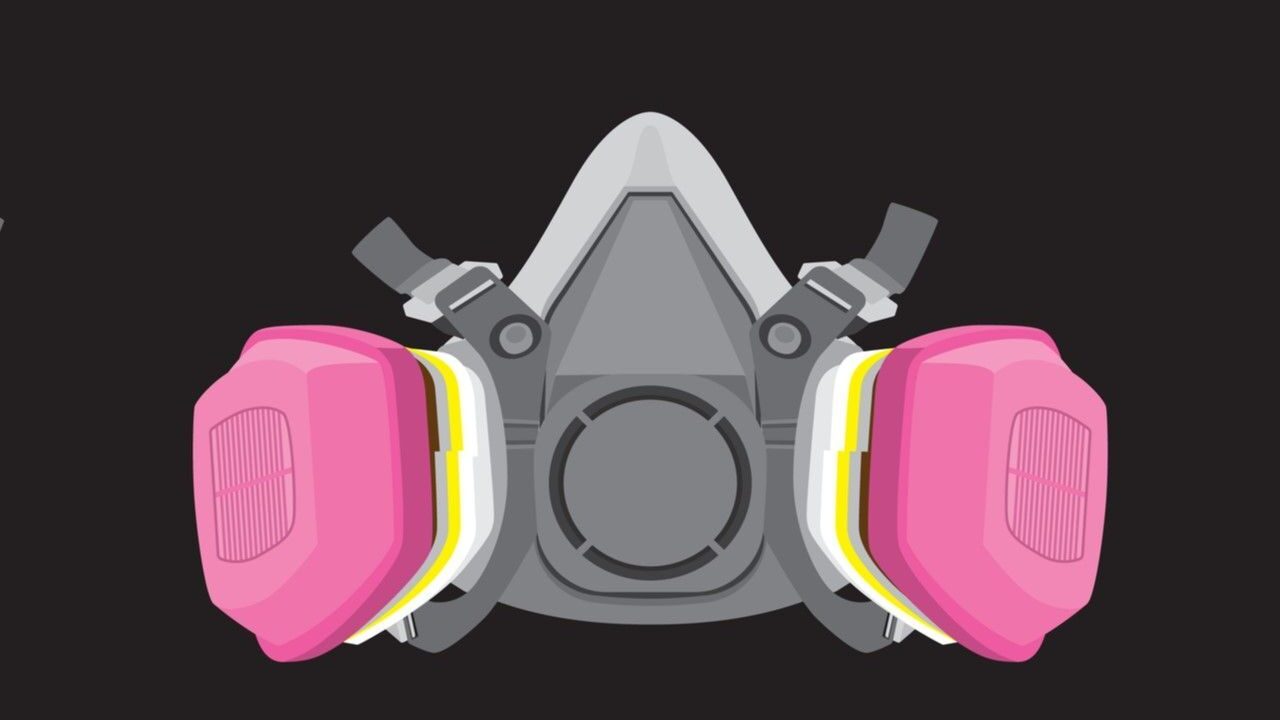
OSHA Unmasks New Pandemic Respirator Guidance
On April 3, OSHA released temporary enforcement guidance to employers currently faced with a shortage of N95 respirator masks because of the COVID-19 pandemic. The guidance applies to all industries.
How Suicide Prevention Is a Workforce Development Strategy
Through quality management training to help put these measures into practice, and developing strong teams and peer support networks, the construction industry can change the statistics on suicide risk and workforce shortages.
Liquidity Matters in the Fight Against COVID-19
Contractors that are highly liquid are better equipped to manage the financial constraints of the COVID-19 pandemic. Here are several steps business leaders can take to continue operations during challenging times.
How COVID-19 Is Changing Temporary Site Services
During the week of March 16, temporary site service vendors, specifically suppliers of portable toilets, dumpsters, temporary fencing, temporary storage and mobile office trailers, responded to an industry survey sent out by ZTERS Site Solutions. Vendors from 35 states provided feedback on how COVID-19 is currently affecting their companies and how they anticipate the virus will affect business over the next few months.
CISC Comments on OSHA’s COVID-19 Recordkeeping, Respirator Enforcement Policy
The Construction Industry Safety Coalition (CISC) wrote to the U.S. Department of Labor’s Occupational Safety and Health Administration regarding recordkeeping and respirator enforcement during the COVID-19 outbreak.
The Hidden Perils of Non-Essential Construction Work
As state and local governments throughout the country struggle to define which construction is “essential” and which construction is “non-essential,” one topic of conversation has been overlooked: what liability exposure does a contractor have to its workers if it continues with work that is later deemed non-essential?
State Elevator Safety Acts: Reaching the Next Level of Safety
Fourteen states do not require elevator installers and repairers to be licensed, which puts elevator workers and the public at an increased risk of serious injury and death.