Safety has long been a defining responsibility in construction, but the expectations placed on safety leaders continue to evolve. As projects grow more complex and workforce pressures intensify, many organizations are reassessing whether traditional, compliance focused programs are enough to meet today’s risks.
Increasingly, construction leaders are recognizing that effective safety performance is not achieved through rules alone. The most resilient organizations are adopting proactive, integrated approaches that treat safety as a core business system—one that influences planning, investment decisions, workforce development and long‑term operational stability.
Rather than responding to incidents after they occur, these organizations are addressing risk earlier and more consistently by embedding safety into how work is designed, equipped and executed. This shift supports worker wellbeing while also reinforcing productivity, quality and workforce retention across the enterprise.
One framework helping guide this evolution is Milwaukee Tool’s seven pillars of safety—seven foundational focus areas designed to address common jobsite recordables while supporting a stronger, more sustainable safety culture. Informed by field research and collaboration across the trades, the framework offers leaders a structured way to move beyond reactive compliance toward prevention‑driven safety systems.
The Seven Pillars of Safety
The seven pillars—dust management, vibration and noise, ergonomics, safety technology, visibility, emissions and personal protective equipment—represent interconnected areas where leadership focus can meaningfully reduce risk. Together, they provide an organizational lens for aligning policies, equipment decisions, training and accountability around consistent safety outcomes.
Dust Management
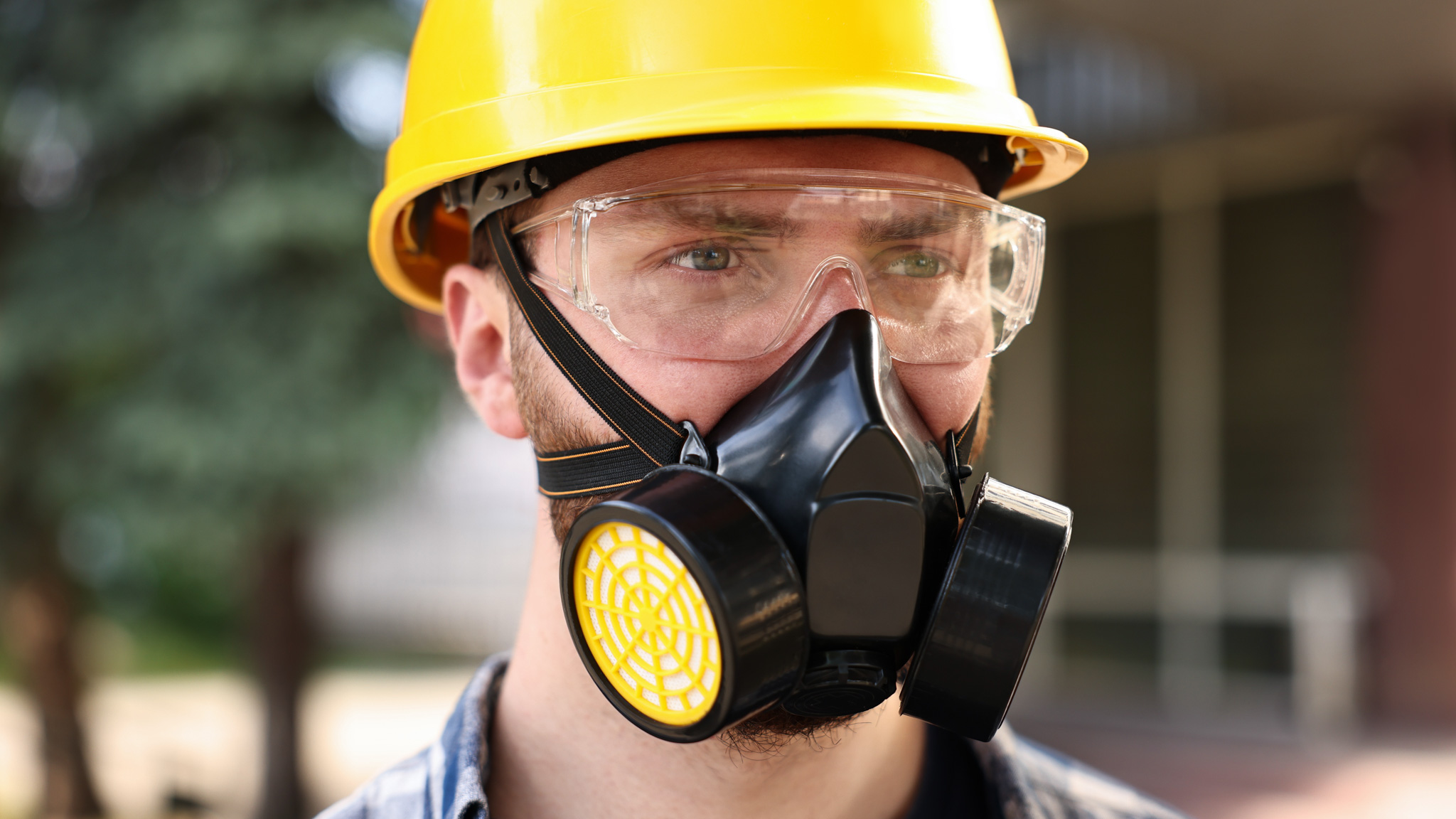
Respirable dust remains one of the most serious long‑term health hazards on construction jobsites. Activities such as cutting, drilling, grinding and demolition generate fine particulates, including silica, that can lead to chronic respiratory disease over time.
While regulations establish baseline requirements, effective dust management requires a proactive, systems‑based approach. Strategies that prioritize containment, extraction and filtration at the source help reduce airborne exposure, improve visibility and create cleaner work environments. Addressing dust early supports worker health while enabling more consistent performance in high‑risk applications.
Vibration and Noise
Prolonged exposure to vibration and high noise levels contributes to conditions such as hand‑arm vibration syndrome, carpal tunnel syndrome and hearing loss—risks particularly prevalent in repetitive or extended‑use tasks.
Advances in vibration‑dampening designs and quieter motor technologies are helping mitigate these hazards. For contractors, addressing vibration and noise is not only about comfort, but about preserving the long‑term health and availability of skilled labor. Reducing cumulative exposure supports safer tool use and helps extend career longevity across the workforce.
Ergonomics
Musculoskeletal disorders remain among the most common and costly injuries in construction. Repetitive motion, awkward postures and poorly balanced tools place ongoing strain on the body, often resulting in lost time and shortened careers.
Modern ergonomics focuses on understanding how the body responds to work demands. Research‑driven insights into muscle activation, fatigue and joint movement are informing designs that reduce force requirements and promote more natural motion. From a leadership perspective, ergonomic improvements directly support injury reduction, operational efficiency and workforce retention.
Safety Technology
Many severe jobsite injuries stem from loss‑of‑control events such as kickbacks, bind‑ups or unintended activation. In these moments, reaction time is limited and consequences can be significant.
Integrated safety technologies help mitigate these risks by responding in real time. Systems that stop tools during unsafe conditions or require intentional activation provide an added layer of protection without disrupting productivity. When safety is built directly into equipment, it functions as a continuous safeguard rather than a separate procedural step.
Visibility
Slips, trips and falls continue to be among the most common jobsite incidents, often driven by inadequate lighting or limited visibility. Early start times, interior buildouts and congested work zones all elevate risk.
Improving visibility through better lighting, clearer work areas and high‑visibility practices supports safer navigation and stronger hazard recognition. Clear sightlines enable crews to work with greater confidence, reducing the likelihood of preventable incidents that disrupt schedules and operations.
Emissions
Gas‑powered equipment has traditionally been standard on jobsites, but it introduces exhaust emissions, increased noise and additional vibration—factors that can be especially problematic in enclosed or poorly ventilated environments.
The industry’s growing shift toward battery‑powered solutions reflects a broader emphasis on jobsite conditions and worker health. Eliminating exhaust emissions reduces respiratory risk, while quieter operation and lower vibration contribute to safer, more controlled work environments, particularly indoors.
Personal Protective Equipment
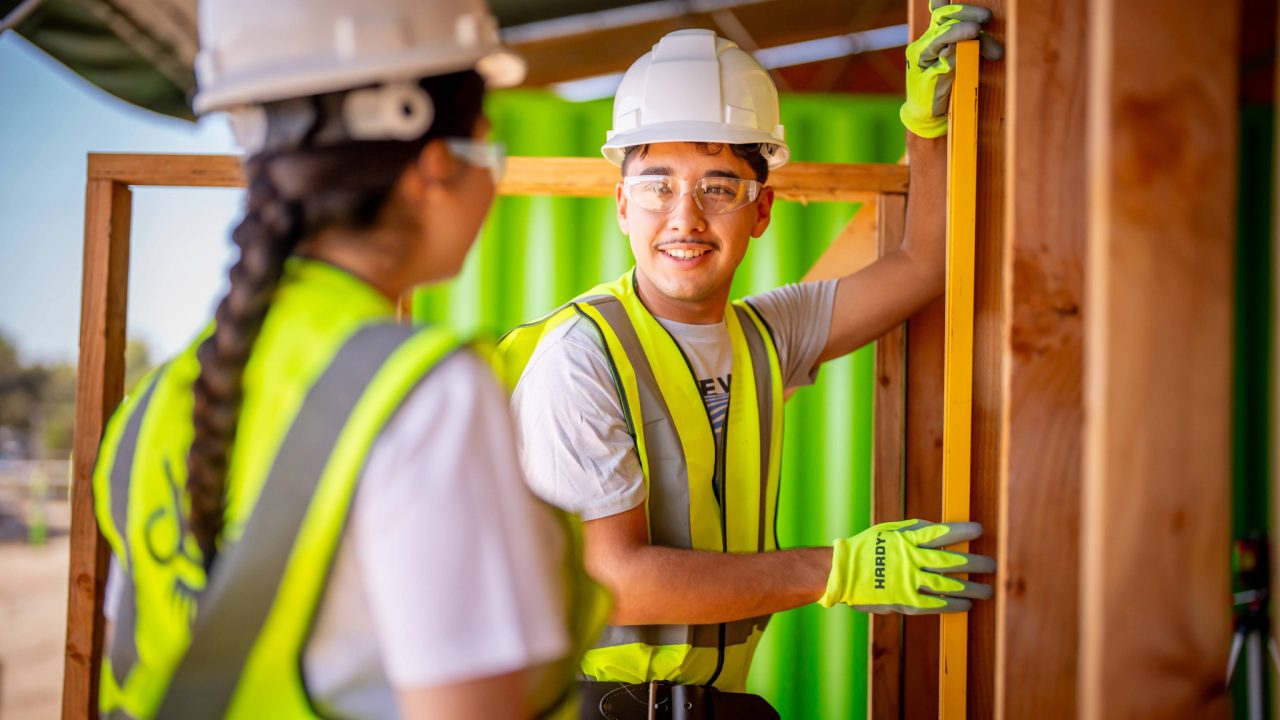
Personal protective equipment remains the final line of defense against jobsite hazards. Its effectiveness depends not only on availability, but on consistent use—something heavily influenced by comfort, fit and task suitability.
Advancements in materials and design are helping PPE better align with real‑world jobsite demands. When protective equipment is comfortable and appropriate for the work being performed, it supports consistent adoption and reinforces a culture where safety expectations are practical and achievable.
Safety as a Culture, Not a Checklist
As construction continues to evolve, so too must the way safety is defined and delivered. The most effective safety programs today are not reactive or isolated—they are structured systems built around real jobsite conditions and reinforced through leadership commitment.
The seven pillars of safety offer construction executives a practical framework for aligning safety strategy with organizational goals. By embedding safety into tools, workflows and daily decision‑making, leaders can move beyond compliance toward a more resilient, consistent approach to protecting workers and supporting long‑term business performance.
SEE ALSO: ADVANCING JOBSITE SAFETY THROUGH CULTURE, COMFORT AND WORKFORCE ENGAGEMENT