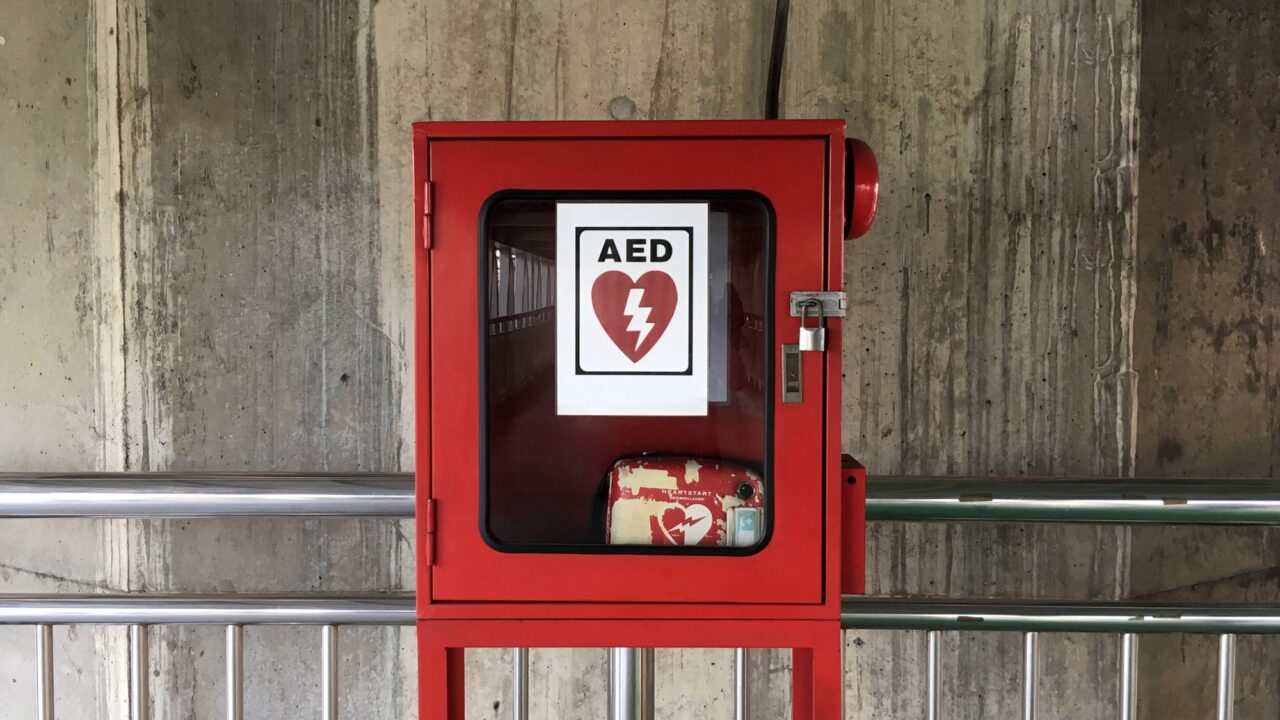
Nearly 1,000 sudden cardiac arrest events occur in the construction industry every year. With a 90 percent fatality rate, better those odds by knowing how to administer CPR and have an AED on each jobsite.
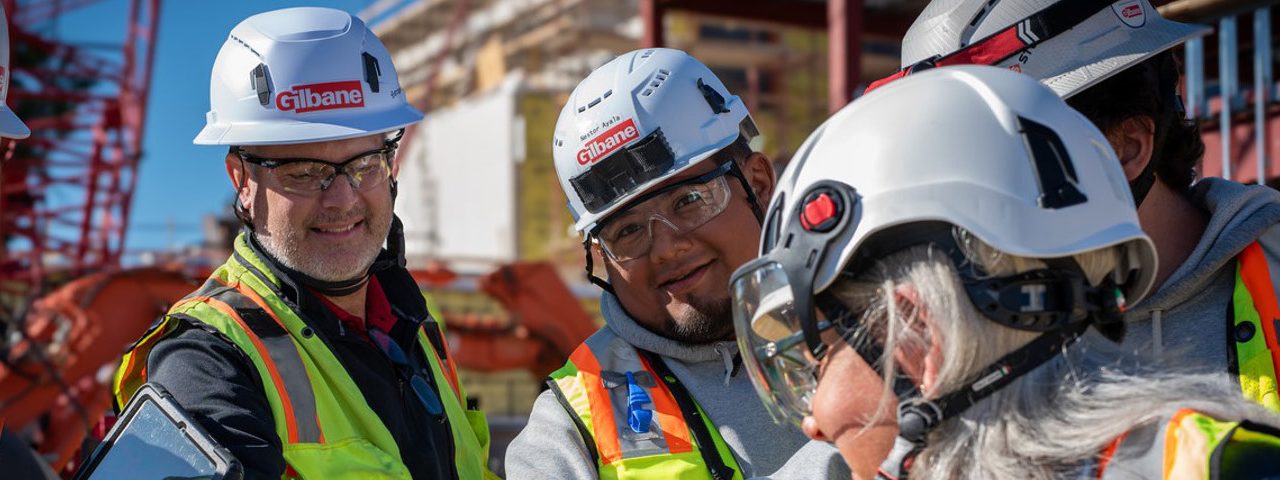
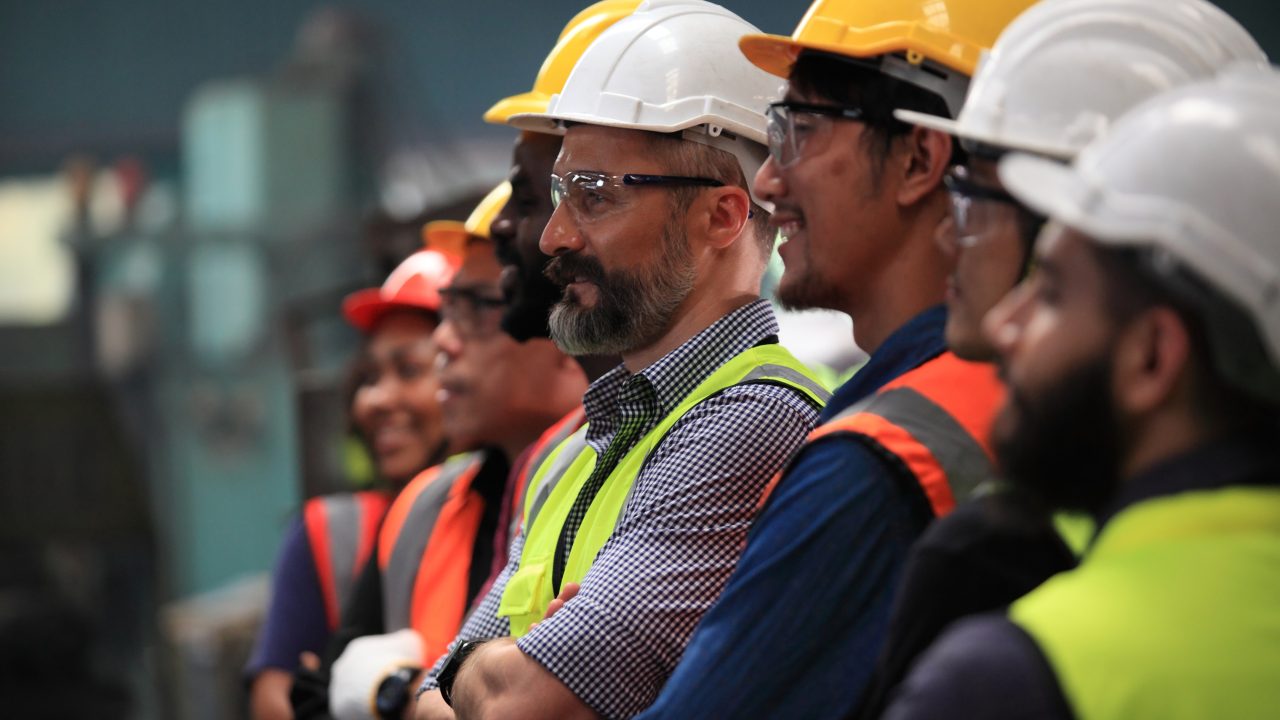
When construction crews make safety a priority in the work zone with a plan that’s designed and executed by well-trained staff, teams can ensure they are prepared to handle the unforeseen events that might come their way.
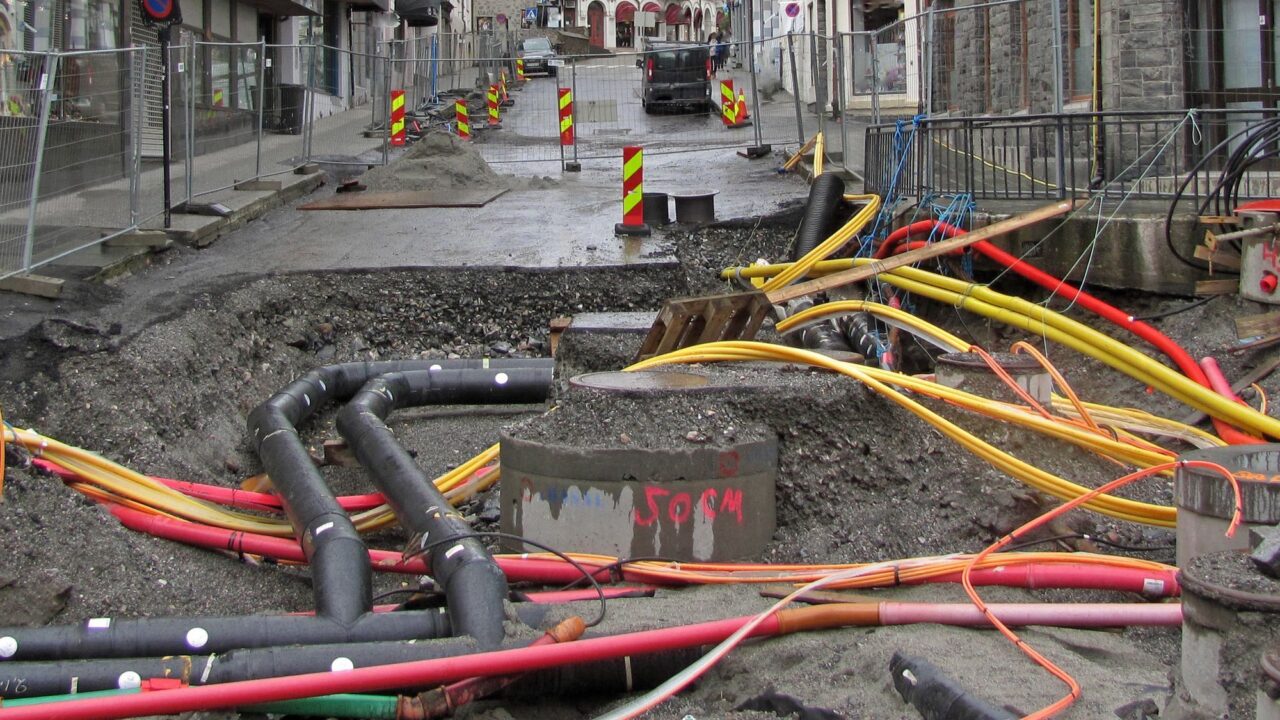
Nearly 440,000 excavation-related damages to U.S. underground facilities occurred in 2017, up 5.5 percent from 2016, according to the Common Ground Alliance’s latest Damage Information Reporting Tool (DIRT).
ANSI/ASSP A10.21 – 2018 Safety Requirements for Safe Construction and Demolition of Wind Generation/Turbine Facilities identifies and addresses hazards specific to wind turbine construction.
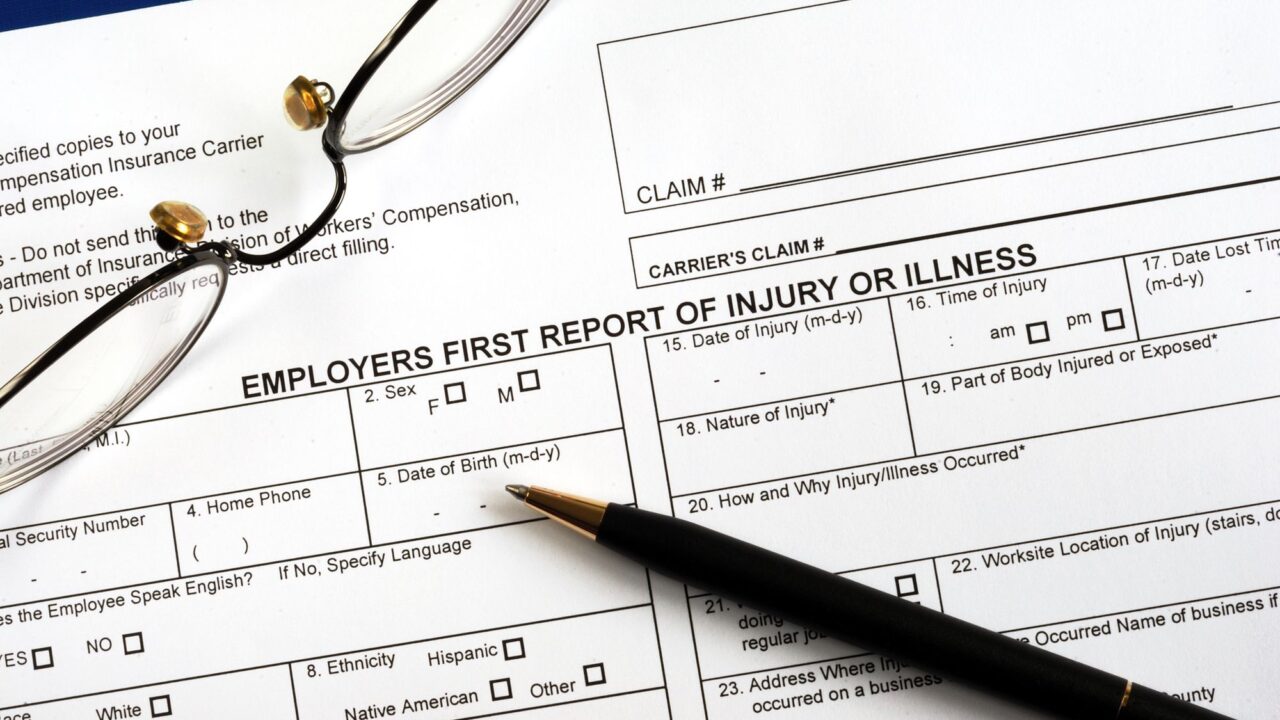
When choosing a workers’ comp carrier, consider costs but don’t overlook how carriers historically handle claims and their reserving practices (how much is set aside to pay claims).