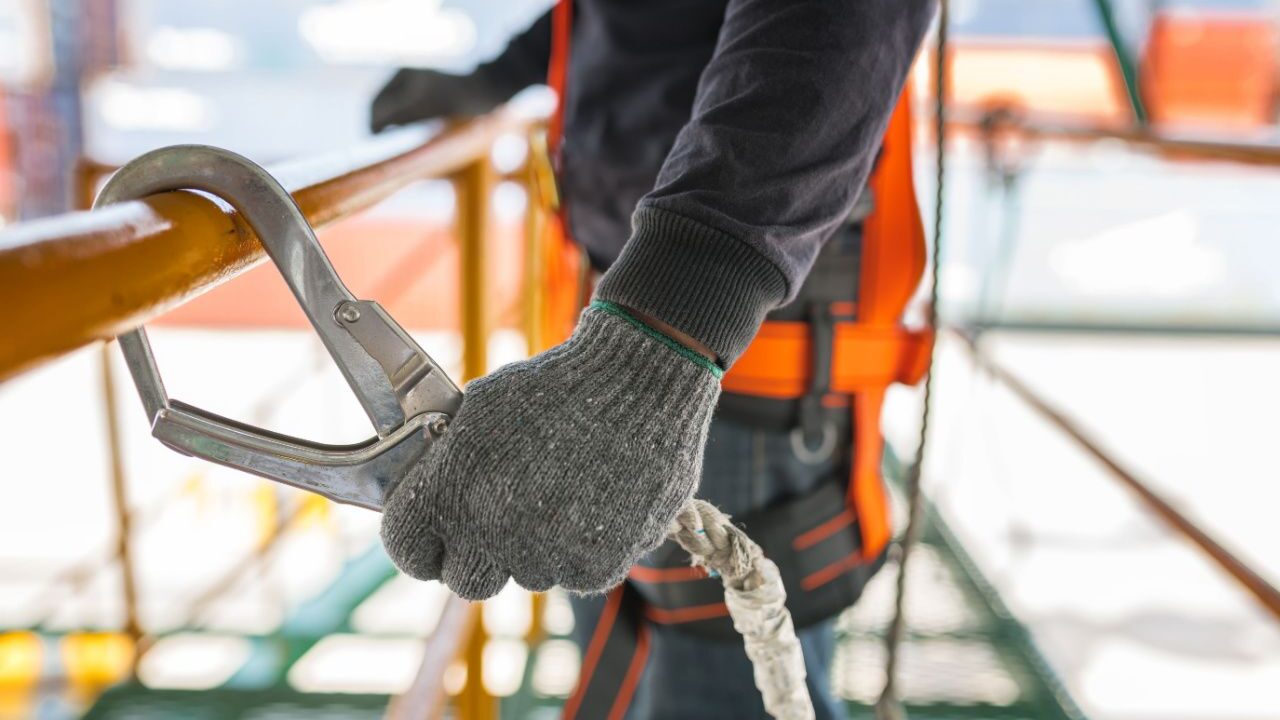
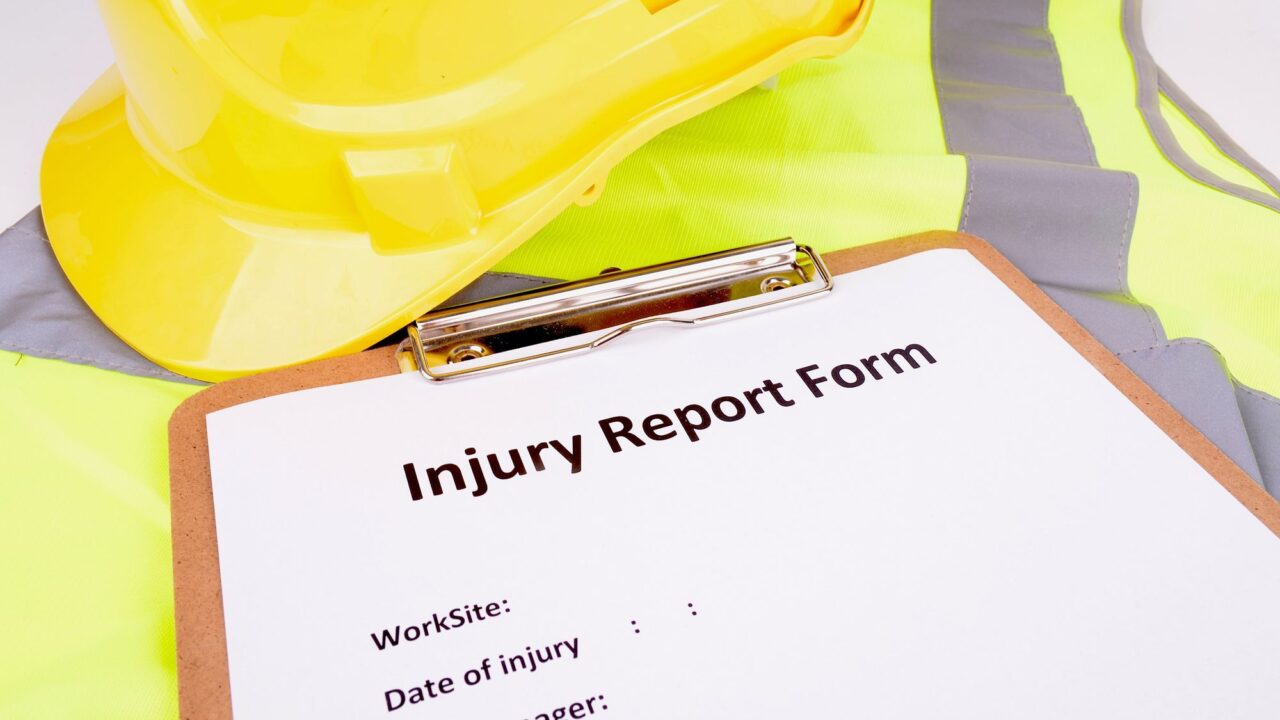
Employers can provide effective tailgate safety meetings with a proficient communicator, relevant topics and a proactive strategy for worker safety and health.
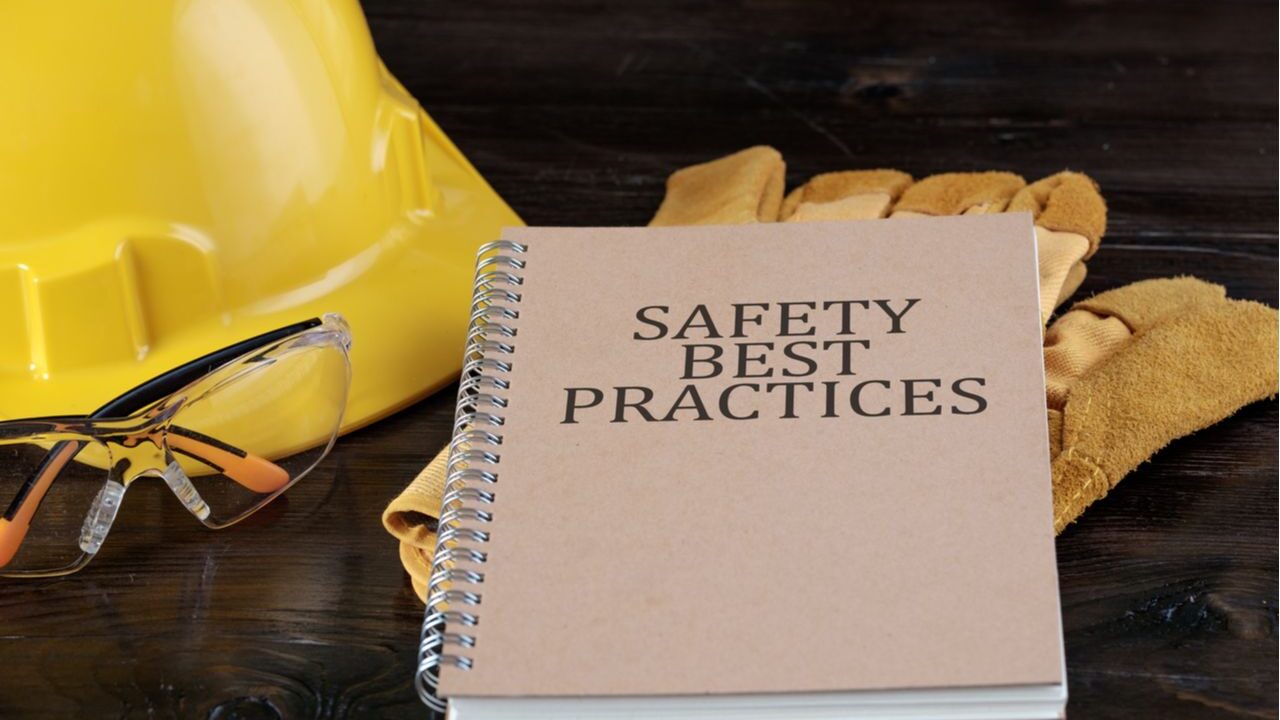
It’s up to employers to have an OSHA Safety Manual that includes critical OSHA information and safety procedures to inform employees of their rights and ensure workers know what to do when safety violations occur.
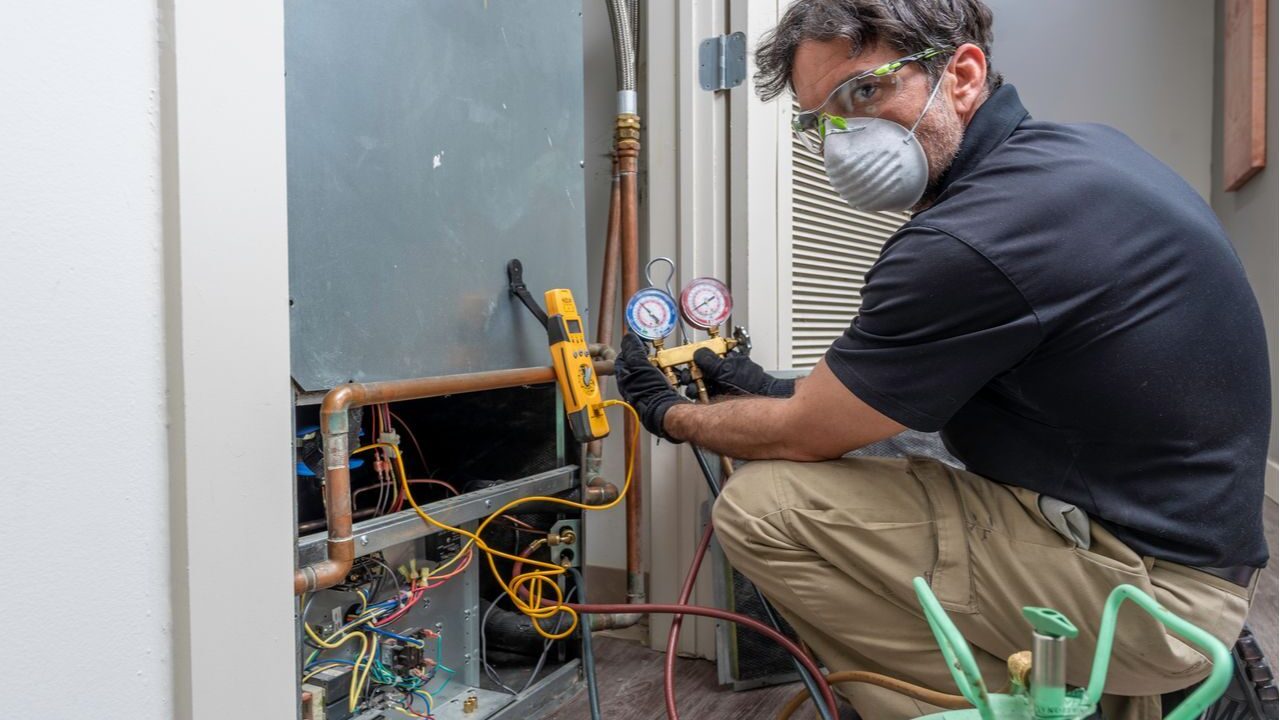
In an HVAC small business environment, a company with the initiative to provide safety training for its employees—training that not only raises awareness for safe work practices but ensures them—protects itself by lessening the chances that an accident will occur.
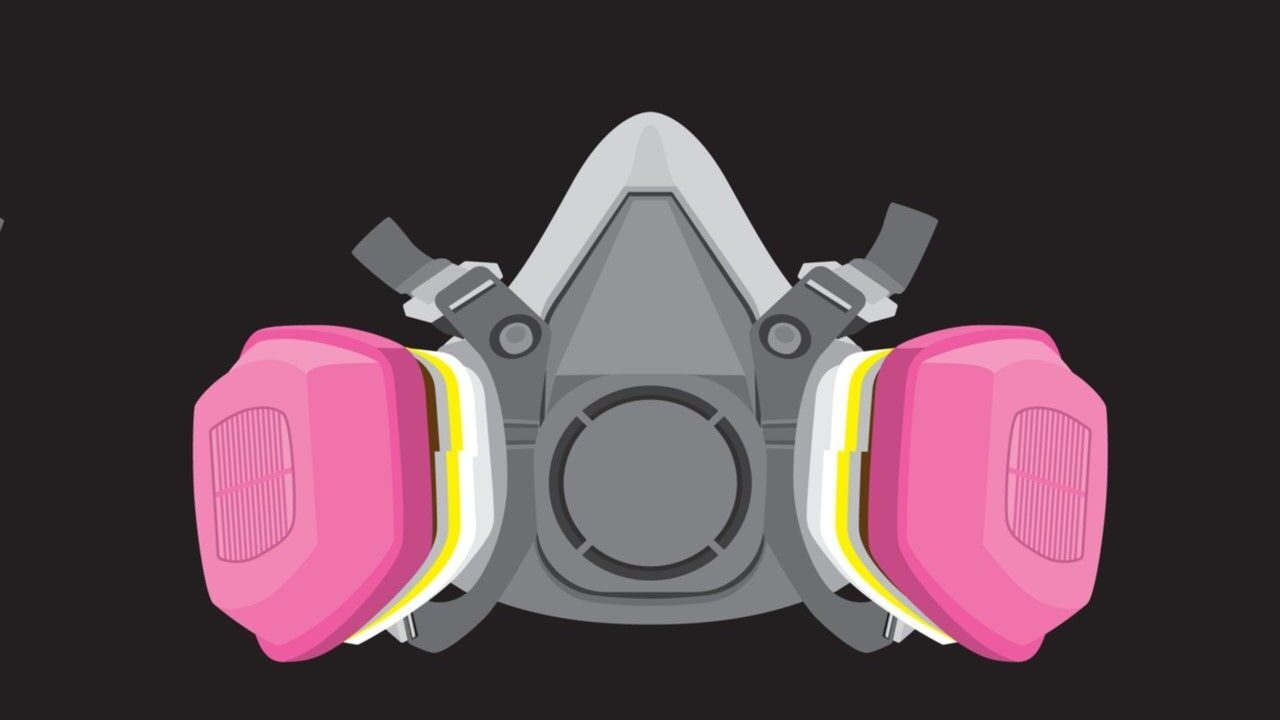
On April 3, OSHA released temporary enforcement guidance to employers currently faced with a shortage of N95 respirator masks because of the COVID-19 pandemic. The guidance applies to all industries.
As state and local governments throughout the country struggle to define which construction is “essential” and which construction is “non-essential,” one topic of conversation has been overlooked: what liability exposure does a contractor have to its workers if it continues with work that is later deemed non-essential?
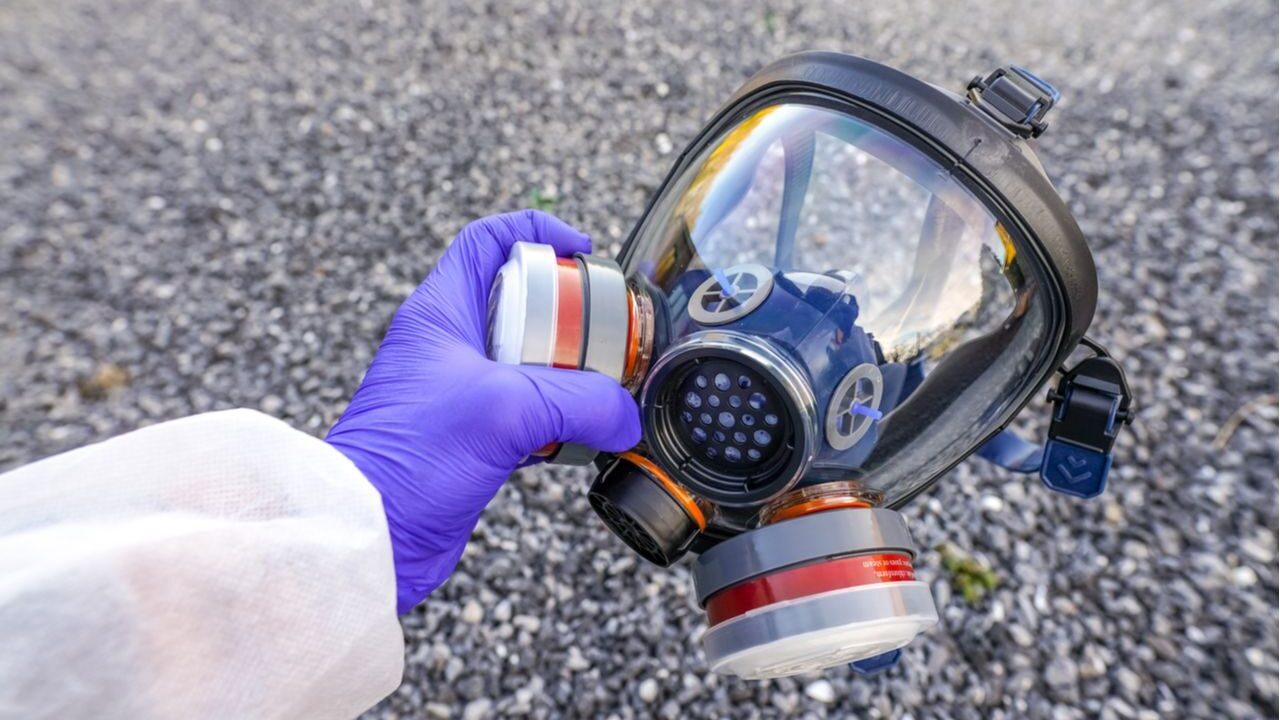
The Construction Industry Safety Coalition (CISC) wrote to the U.S. Department of Labor’s Occupational Safety and Health Administration regarding recordkeeping and respirator enforcement during the COVID-19 outbreak.
Fourteen states do not require elevator installers and repairers to be licensed, which puts elevator workers and the public at an increased risk of serious injury and death.
Hydrogen Sulfide or H2S or sour gas, is the second most common cause of workplace gas inhalation fatalities. Make sure employee training is up-to-date so they know where it occurs and the symptoms to look for if it does.