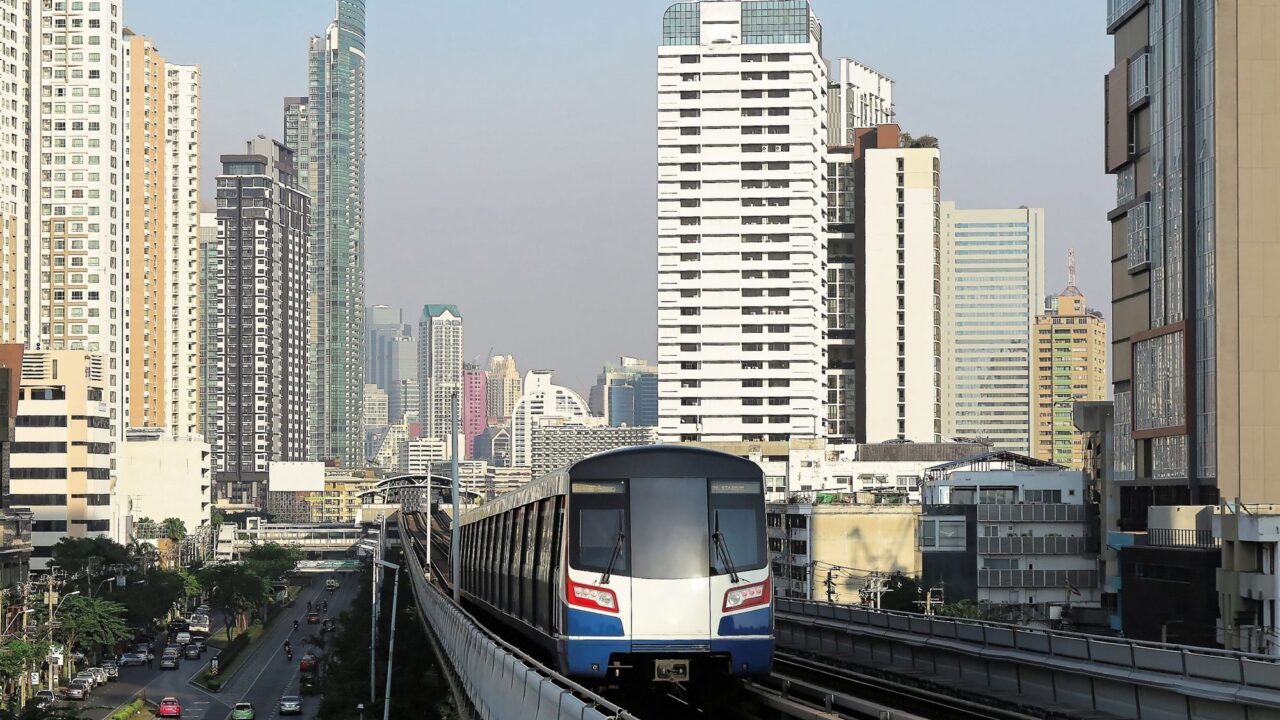
With STEM workers earning an average annual wage of $87,570, nearly double the average of $45,700 for all non-STEM jobs, the personal finance website WalletHub followed up on its Best Places to Find a Job report with an in-depth analysis of 2018’s Best & Worst Metro Areas for STEM Professionals.
The Positive Side Effects of Mechanical Retrofits
Renovations aren’t just a reliable way to sustain staff. They have the beneficial side effects of earning firms more design-assist work, expanding contractors’ client list and leading to the adoption of technology to rise further above the competition.
Could Carbon Fiber Be the Superhero of Building Materials?
One of the most promising composites for the future of building is carbon fiber. A polymer comprising long, thin strands of carbon atoms bound together in a crystalline formation—each strand thinner than a human hair. It’s lighter than steel, five times stronger and twice as stiff.
Online Retailers Pump Up Warehouse Market
More than 780 million square feet of warehouse space will hit the market by the end of 2019, with developers and owners looking to take advantage of a 9.8 percent year-over-year annual growth rate in rents.
NCCER Releases Revised Heavy Highway Program
NCCER released the second edition of its Heavy Highway Construction curriculum, now with two levels. The revised program offers a Heavy Highway Helper credential and introduces trainees to the various crafts used in the heavy highway industry.
Supply-Chain Finance in Construction: Solving the Working Capital Challenge
A growing number of general contractors are turning to supply chain financing (SCF) to provide faster and more predictable payments to subcontractors using third-party funding.
Inefficient Light Bulb Phase-out Begins in California
California has adopted energy efficiency standards that retire incandescent light bulbs and promise to save consumers and businesses about $1 billion annually on their electric bills.
Reduce Costs and Improve Operating Efficiencies With Hybrid Battery Units
Hybrid battery units only require generators to support high-amperage peaks for brief segments. They switch to a battery source when lower power requirements are needed to keep jobsite lights, security systems and computers running while eliminating idling.