General contractors and subcontractors can protect themselves from losses when contracting with the same party on multiple jobs by understanding recoupment and setoff and careful drafting of contract language before the job begins.
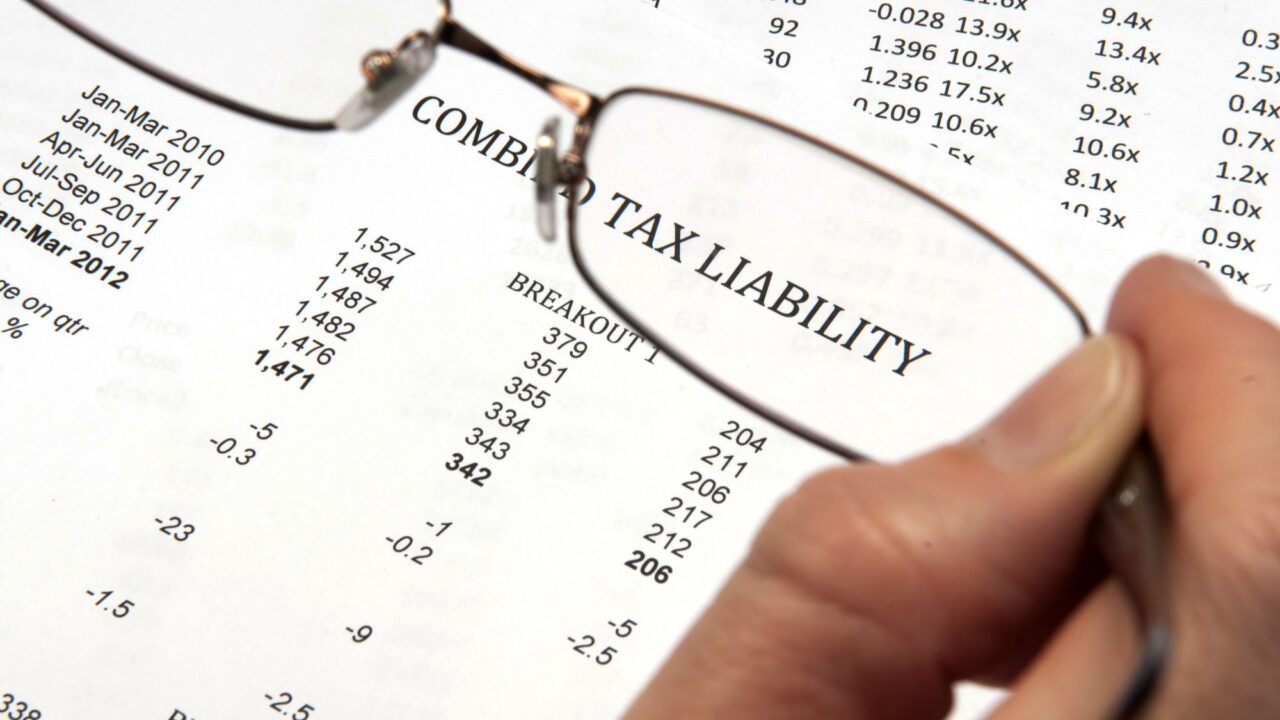
Take Advantage of Deferred Tax Liability for Construction Contracts
There are numerous ways that tax reporting for construction contracts can create taxable temporary differences and thus a deferred tax liability for financial reporting. Here's how.
Keeping Up With Fast-moving FAA Drone Regulations
As modern drones become capable of doing more, FAA regulations are also rapidly changing to keep pace. Contractors using drones need to stay up to date with the latest regulations.
Owner Bankruptcy: What’s a Contractor to Do?
Contract provisions stating the contract is terminated if the owner or developer is bankrupt are generally unenforceable. So what’s a contractor to do?
Sunny Outlook for Managing Volatile Weather Risk Exposure
New approaches to analyzing historical weather patterns and interest from third parties willing to assume these risks are changing the way the industry approaches weather risk exposure.
Automate the Entire Construction Loan Process
Using technology to automate the post-close administration of construction loans is important, but now is the time to take automation a step further. Work with lenders using an automated payment stream tool to speed cycle times and payments, improve communication and focus on the important work at hand.
Nine Tips for Negotiating Subcontracts
Before signing a contract, subcontractors should heed these nine tips for negotiating subcontracts
Dust in the Wind: The Threat of Airborne Lead From Construction Sites
When older buildings are demolished, they may spread toxic contaminants, such as lead. Contractors should be aware of liability exposures and ways to minimize risk on demolition projects.