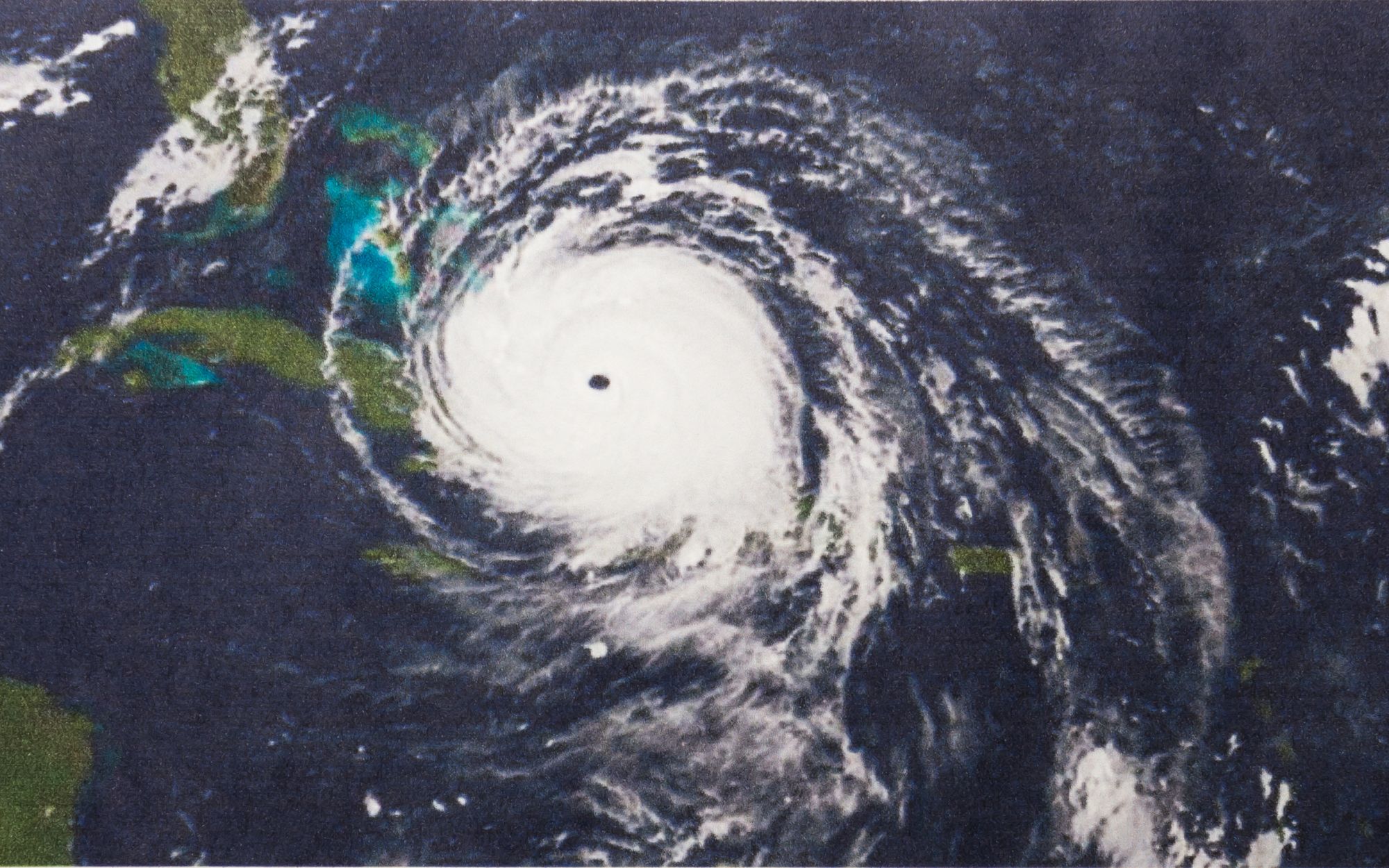
The Weather Risk Management Association estimated at its annual conference in 2016 that 88 percent of all business is affected by weather. Coupled with an increase in volatile weather globally, this risk has heightened exposure across nearly every sector of the economy. The construction industry is particularly exposed to adverse weather through schedule delays, abatement costs and in some cases, penalties including liquidated damages. However, new approaches to analyzing historical weather patterns and interest from third parties willing to assume these risks are changing the way the industry approaches weather exposure.
As neither the owner nor the contractor is better positioned to manage weather risk, this can be a difficult risk to assign contractually. As a result, the industry is inconsistent in assigning this risk on projects as there are various contractual arrangements between owners and general contractors. Further, traditional insurance products providing indemnification for weather risks are often limited to traditional catastrophe perils that can cause significant physical damage to a project as well as result in schedule delays.
Weather, however, can pose schedule risk to projects on a day-to-day basis through volatile swings in daily or seasonal precipitation, temperature (high or low), excessive wind speed, ocean wave height, etc. These types of events may not correspond to direct damages or physical losses on a project, so they would not trigger a traditional insurance product. However, they have the same potential to be damaging to a project’s profitability by the delays they can cause. Some contracts may provide relief for weather related events through the use of force majeure conditions, but as many contractors have seen, there are limitations to the number of days as well as the amount of relief. In most instances the relief is time related with no compensation relief for the general contractor.
The consequences of assuming this level of risk without adequately analyzing its full impact have the potential to be catastrophic. Consider the recent record setting rainfall in Los Angeles. This abnormal weather forced major delays for a construction project causing severe liquidated damages and nearly a years’ worth of lost revenue. When all was said and done, the final costs and expected lost revenue was estimated to be nearly $80 million. While this is an extreme example of the effects of weather on a project, it highlights the significant impacts that a common weather exposure can have on a project that is potentially under-insured or even uninsured.
Quantifying Weather Risk
Weather risk is not a foreign topic for owners and contractors, as nearly all construction projects are subject to some component of weather risk. This revived discussion of weather risk is mainly driven by the industry’s ability to analyze larger datasets of historical weather conditions than ever before. Increased reporting by weather stations throughout North America offers contracting parties new ways to understand the weather exposure on a jobsite. Additionally, the development and collection of data on a gridded basis as recorded by satellites has made weather data available for more remote project sites.
Using a combination of government meteorological station data and the more granular gridded data from satellite sources, contractors can analyze a project or portfolio’s weather exposure by looking at 10-50 years’ worth of historic occurrences. However, this comes at the cost of having to analyze years’ worth of daily or hourly recorded weather data. Owners and contractors have access to these large datasets either directly or through a third party risk advisor, and are rewarded with a detailed view of the weather risk. The quantitative view provides the contracting parties an objective approach to negotiating weather risk transfer within the contract. This detailed approach also allows contractors to align their current processes and procedures with the expected weather on site to better mitigate their exposure.
Transferring Weather Risk
In addition to new quantitative capabilities there is also increased interest from third party capital willing to accept weather exposure on construction projects. Traditional insurance markets and investment firms are not new to weather insurance and the securities market, but have expressed increased interest specifically in the construction industry over the last 24 months. From an investment perspective these risks are unique and independent from traditional capital markets, providing new ways to diversify investment portfolios. To contractors and owners this interest offers a viable risk transfer market to help provide financial stability to projects that are particularly sensitive to volatile weather events.
The interest from third party capital markets coupled with data analysis abilities means owners and contractors can obtain a tailorable, index-triggered weather solution. The index-triggered solutions, also described as a parametric insurance product, use agreed upon values to provide coverage against specific weather events that can burden a project. This solution ultimately allows owners and contractors to better manage the financial impact of specific weather peril(s), such as precipitation, temperature and wind on more risky projects.
The issue of weather risk is a growing concern among contractors, and is expected to be a continued talking point in 2018. Volatile weather, especially over the past few years, has drawn attention to this acquainted risk and how to address its potentially damaging impacts. Sophisticated contractors will find new ways to mitigate and better work with unpredictable weather on job sites, which will likely include accessing capital markets that are willing to accept this risk.