Government entities in New Jersey that enter into public-private partnerships to help finance public construction projects are now required to utilize a project labor agreement (PLA) and pay state prevailing wages, among other requirements.
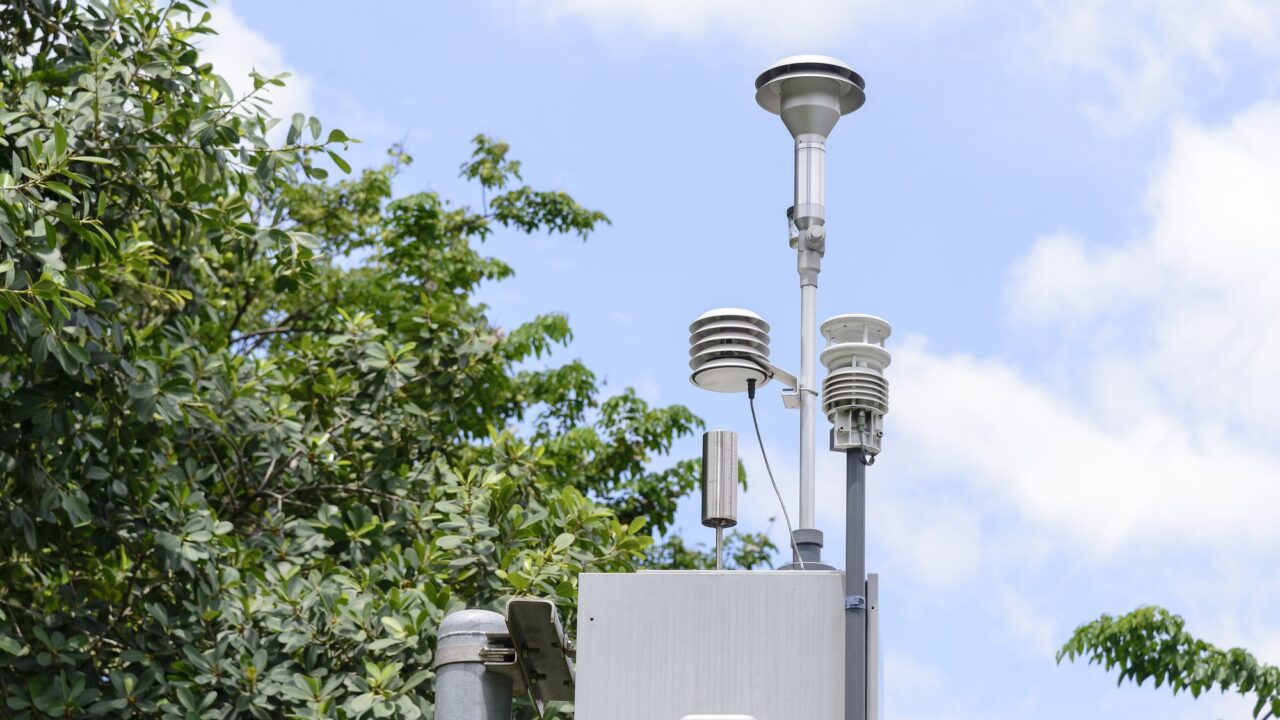
Perimeter Site Monitoring: A Smart Decision on Construction Projects
Worksite dust can compromise air quality, excessive noise can be a nuisance and vibration can damage nearby property. Whether required by law or not, real-time boundary monitoring may be a wise choice.
Battling the Latest Wave of Construction Litigation Trends
Liability claims are trending upward with the dearth of experienced construction workers and blurred lines of responsibility between design and contracting, resulting in an environment that mandates a disciplined approach to the design team relationship.
Rule Governing Association Health Plans Takes Effect
Self-employed individuals with no other employees can now join an AHP along with their families.
Industry Anticipates Brett Kavanaugh’s Supreme Court Confirmation
Considering his concise rulings and effective interpretation of the laws, Associated Builders and Contractors supports Judge Kavanaugh’s candidacy and continues to monitor the progression of his nomination.
Navigating Liability for Defective Products
To avoid defective product liability, work with suppliers who stand behind their product and take steps to spread the risk to suppliers, such as being named as an additional insured.
Two Sides of the Surety Risk Coin
There are two sides to managing surety risk. When acquiring a bond, consider cost and the company’s bond limits. When making a bond claim, proactively communicate with the surety.
Paying the Price of Employee-perpetuated Workers’ Compensation Fraud
Employee fraud accounts for 20 percent of annual workers' comp claims paid. It can be an alleged accident that never occurred or when an injured employee exaggerates his disability and doesn’t return to work when he is able.