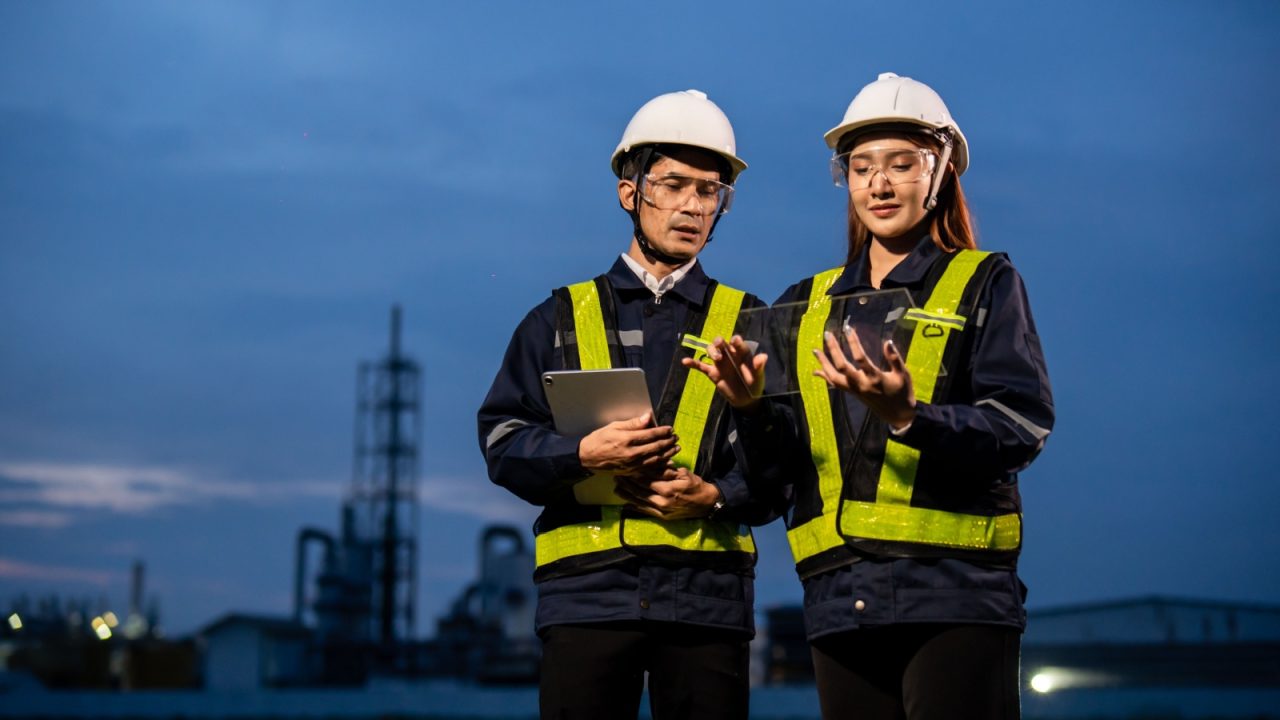
In 2025, construction safety is no longer treated as a regulatory box to check. It is woven into the daily operations, culture and long-term strategy of successful construction companies. Leading firms are demonstrating that safety in the construction industry goes well beyond personal protective equipment and general safety practices. While these are still important and necessary aspects of safety on the jobsite, offsite safety education and training are imperative for a true culture of safety. Building a culture of safety within an organization can be the key to ensuring everyone is confident and protected in the workplace.
Establishing Culture
The first step to build a culture of construction safety is the learning process. Before anyone steps foot on an active jobsite, it’s important that they have received the necessary training and resources to protect both themselves and others. However, when too much information is delivered all at once, it can overwhelm even the most experienced crew. Today’s safety programs focus on simplicity and direct communication in the form of clear, bite-sized messaging delivered through safety huddles, simplified materials and brief but impactful updates. These practices help workers retain the information and apply the essential safety practices in real time. By keeping communication focused and digestible, companies help reduce errors and build stronger situational awareness on busy, fast-paced jobsites.
This culture of learning goes for every person that touches a project. A strong safety culture recognizes that no one, regardless of tenure or title, is ever done learning. There is always something to review or relearn, whether a worker is new to the job or has decades of experience. Safety training in 2025 remains ongoing and is always evolving. This mindset helps eliminate the danger of assumptions and ensures that everyone—field crews and office staff alike—remain sharp and up to date on safety protocols.
New Hire Culture
When seasoned workers are confident in safety protocols, they can then act as a mentor to new talent. With new talent entering the construction industry at a steady pace, peer mentorship has never been more important. Nothing can replace direct, hands-on instruction—that can only come from human connection. Ensuring that new talent is easily identifiable can be a good way to encourage interaction and teachable moments. For example, at McCarthy, new hires wear red reflective tape on their helmets. This allows senior team members to identify newer members and offers the opportunity to approach and interact with each other to ensure they feel confident and comfortable regarding safety protocols. If the senior team member notices that the new talent doesn’t feel as confident, they can flag this to the safety team and encourage refresher courses and training. This simple system fosters real-time mentorship, giving new workers the confidence and support they need while reinforcing experienced workers’ leadership roles in creating a safer site.
PPE Culture
One of the most visible signs of change in the industry is the evolution of PPE. What used to be seen as bulky and uncomfortable is now lighter, more breathable and designed with worker comfort in mind.
Today’s safety helmets, gloves and protective eyewear provide better protection while also being ergonomically designed so that workers are more likely to wear them consistently. Innovations in materials and ventilation have helped balance safety with comfort, reducing resistance to PPE use.
It’s also necessary to take outside factors that may influence safety into consideration. For example, with rising temperatures and more frequent heat waves, managing heat-related risks is a critical part of construction safety now more than ever. Crews working outdoors under direct sunlight, wearing heavy protective gear and performing strenuous physical tasks face increased risks of heat exhaustion and heat stroke.
Best practices include ensuring easy access to water, providing shaded or cooled break areas, and scheduling high-exertion tasks during cooler parts of the day. Safety training now commonly includes recognizing early signs of heat stress and knowing how to respond.
Many states have implemented strict heat illness prevention standards that contractors must follow, and The Department of Labor is moving toward a nationwide standard.
These standards are just one piece of the puzzle. Meeting regulations is important but it’s just the starting point. A company’s due diligence must go beyond compliance, focusing on eliminating known risks and continuously evaluating evolving hazards.
Contractor Culture
Another noticeable industry shift is the investment in dedicated safety staff. In Northern California alone, McCarthy has continued to grow its safety team. From project-level safety coordinators to regional safety directors, this expansion reflects the increasing importance placed on active, onsite safety leadership. Whether on a small project with a single safety manager or a large multiphase job with an entire safety team, today’s projects demand dedicated oversight and constant engagement.
This is true beyond the physical jobsite. Safety starts during preconstruction planning, continues through daily site activities and is part of the client handoff at project closeout. Proactive firms involve clients, design teams and subcontractors in safety discussions from day one. The goal is to embed safety into every phase of the project, ensuring that completed buildings are not only built safely but handed over safely for long-term operations.
By combining consistent training, positive reinforcement, modern PPE, strong mentorship and proactive risk management, construction companies can dramatically reduce incidents. More importantly, they demonstrate a long-term commitment to worker wellbeing, which bolsters safety for all.
SEE ALSO: ALIGNING SUBCONTRACTORS’ SAFETY CULTURE WITH THE GENERAL CONTRACTOR’S