What We Learned in September: Construction Industry Begins to Contract
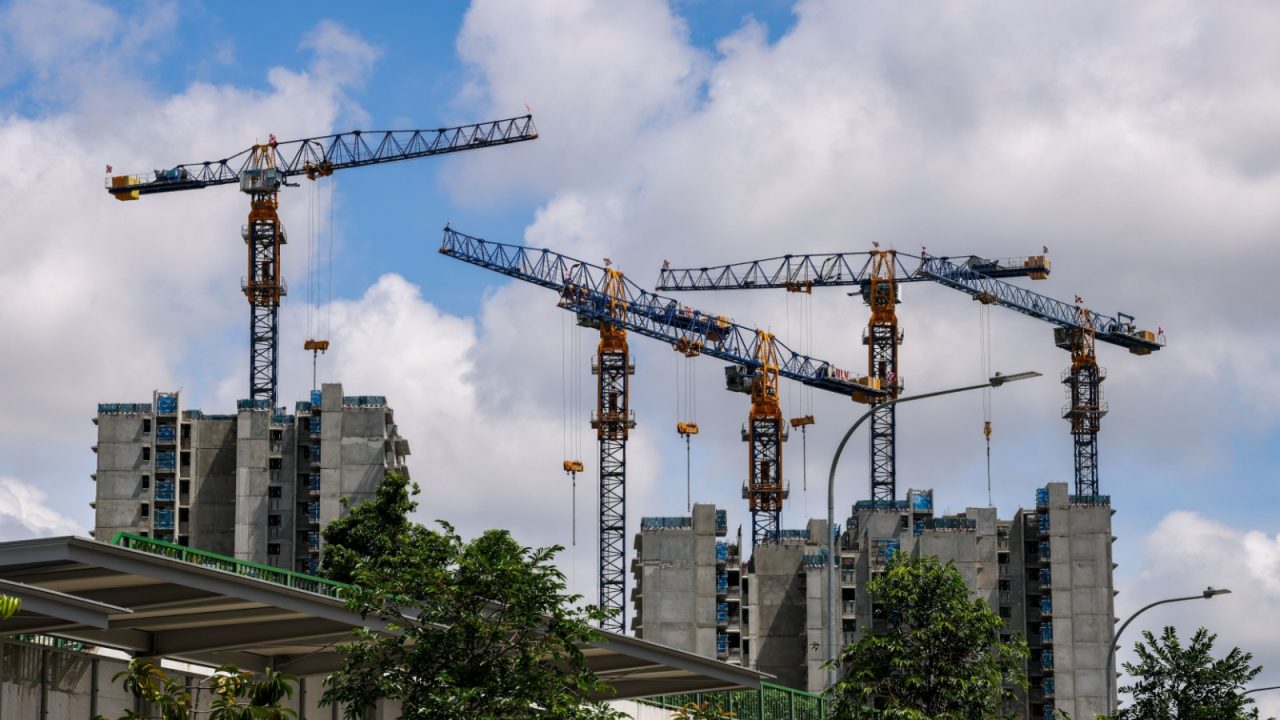
The construction industry continues to struggle in the face of an array of headwinds including trade and immigration policy, high borrowing costs and extraordinarily elevated economic uncertainty. A range of indicators now suggest that the industry is shrinking for the first time since the beginning of the COVID-19 pandemic.
Nonresidential Construction Spending Slides
Nonresidential construction spending fell again in July and, having now declined in seven of the previous nine months, is 2.5% below December 2023’s all-time high. Private nonresidential activity has contracted at an even faster pace, and with the exception of data centers, religious buildings and the power category, no private subsegment has retained momentum through the first half of 2025.
Construction input prices rose again in August, driven higher by tariff-affected materials like iron and steel. While prices for certain materials like oil and gas and softwood lumber remain low due to weak demand, overall input prices will likely rise given the early August implementation of even steeper import taxes.
Construction Industry Loses Jobs for Third Straight Month
The construction industry has added just 6,000 jobs since December. While nonresidential employment has only recently started to decline, the residential segment has been shedding jobs for several months, and employment in that category is actually down on a year-over-year basis. Despite weak demand for construction labor, staffing shortages appear to be reemerging as immigration policy weighs on the industry’s workforce. The industrywide unemployment rate fell to 3.2% in August, matching the lowest level ever recorded.
Contractors Confident Despite Signs of Weakness
Contractors remain broadly optimistic about their sales, profit margins and staffing levels over the next six months, according to ABC’s Construction Confidence Index. While sentiment remains upbeat, ABC’s Construction Backlog Indicator fell to 8.5 months in August. Despite the decline, the reading is still up about 0.3 months from the same time last year.
Looking Ahead
The Federal Reserve cut rates at their September meeting, and bond yields are currently at the lowest level since last October. Despite these factors, the industry may not see meaningfully lower borrowing costs anytime soon due to a steepening yield curve and risk related to severely elevated economic uncertainty.

SEE ALSO: 2025 SMALL BUSINESS OUTLOOK FOR THE CONSTRUCTION SECTOR