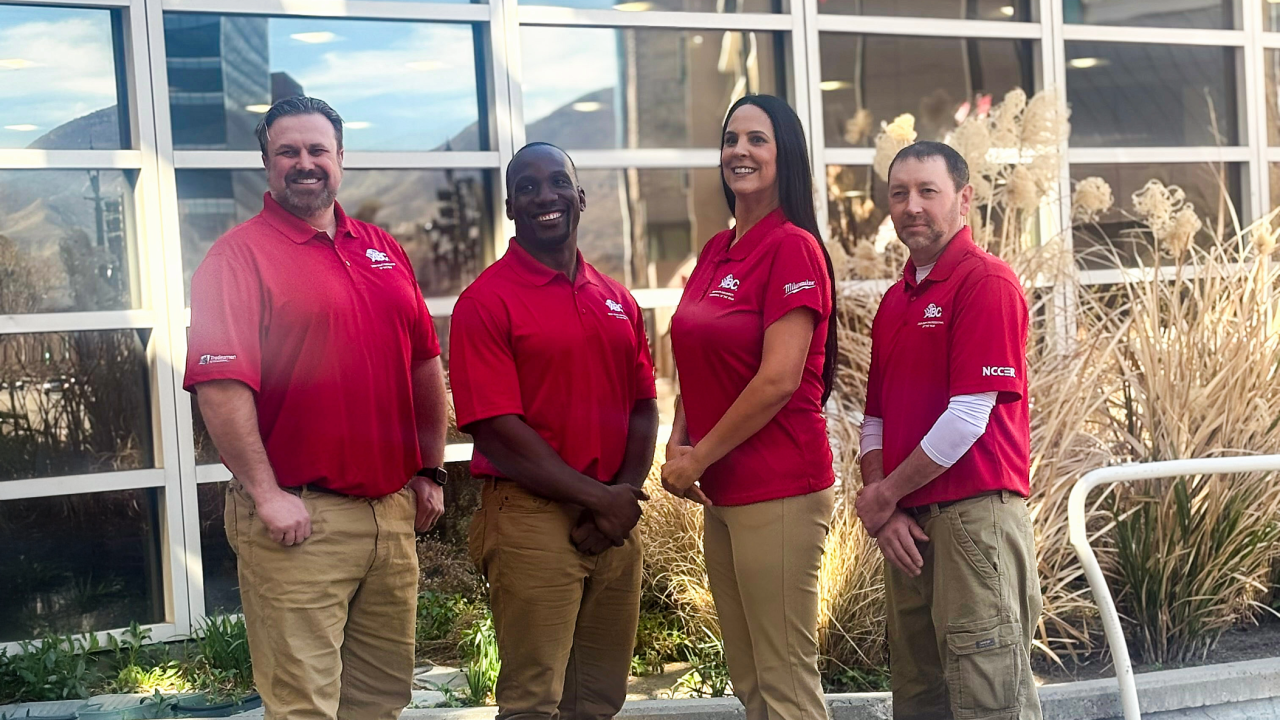
Suicide prevention and awareness is always in the back of everyone’s minds in the construction industry, but as the month of September—with World Suicide Prevention Day on Sept. 10—comes to a close, it has been brought to the forefront.
With emerging technologies, evolving cultures, shifting mindsets and priorities around safety and wellbeing practices, the construction industry has made progress in laying a new foundation for the mental health of its workforce—but there is still so much left to build.
Sonya Bohmann is executive director of the 501C3 nonprofit Construction Industry Alliance for Suicide Prevention—which was born from a 2015 article and subsequent boots-on-the-ground research by the Construction Financial Management Association. “They held summits around the country and really started tackling this conversation,” says Bohmann, “and ultimately it was decided that it’s too big of an issue to tuck up under another organization and CIASP was formed.”
Today, CIASP offers resources to construction companies across the country, resources which Nationwide’s Jason Ragsdale—vice president of technical specialization, risk management—utilize and benefit from every day. After losing a fellow contractor to suicide, Ragsdale says: “That’s when it really became real to me that we need to do more than we were doing at the time. Organizations like CIASP have really taken us to the next level.
Below, Bohmann and Ragsdale dive further into the current and future developments for the wellbeing of the industry:
The construction industry is beginning to take greater measures regarding physical safety as well as mental health standards. ABC has STEP Health and Safety Management System and the Total Human Health Initiative, as well as advocates for VitalCog suicide prevention training. Is there something that you can pinpoint to that signaled this shift in mindset?
RAGSDALE: It’s just having more awareness around what is happening to our industry. There are so many things that put pressures on these individuals that are working in construction today and those stressors just continue to pile up. So I think what we are trying to do now is just realize that it’s okay to have those conversations. Matter of fact, you need to have those conversations, and it’s important for us to have those conversations in order for just people to be aware that there’s resources and help out there for them.
BOHMANN: I echo all of what [Ragsdale] said. I also think that COVID actually opened the door to this conversation even a little bit wider, and people started recognizing that they weren’t okay and that they needed help—that was okay to have this conversation. We still recognize there’s a very long way to go. But more often people are not just focusing on September as Suicide Prevention Month or May as Mental Health Month, but are really starting to have this conversation 12 months a year.
Construction ranks as one of the worst industries regarding suicide statistics and mental health performance. In 2022 alone, more than 5,000 construction workers died by suicide–five times the number of jobsite fatalities. How important is it to track these metrics and to emphasize the gravity of the staggering numbers?
BOHMANN: So there’s always shock and awe in a number, but I think it’s also important to recognize that while there’s the negativity to it, there is some positive change that’s happening—recognizing that the statistics are always two, sometimes three years behind. So the numbers that you have now started two years before that and the numbers before that, et cetera. But what you notice, especially if you’ve looked at the overdose rates recently that came out for 2023, is that number is starting to decline, and we’re starting to have positive impact. And I think that you’ll also notice some of the 2023 numbers that came out from suicide are starting to trend in that direction as well. We’re not going to see significant leaps, we’re going to see small incremental change, just like we’re making small incremental change in the way that we have these conversations, but we’re going to get there.
With Gen Z entering the industry, their demand for work-life balance is obvious and rightfully so. Is there a best way to encourage companywide buy-in for a culture of wellbeing during the hiring and onboarding processes?
BOHMANN: So cultures of care exist, there are many companies that model this every day. When we talk about that culture shift, there’s a difference between priorities and core values. And when a company makes mental health a core value, it is always part of who they are. It becomes part of their culture and it really becomes that standard operating procedure. When we push that culture of care forward and we lead with a culture of care, it attracts that new employee. It makes it part of what we do, but then those resources are part of what everybody gets. Whether you’re a new employee, an existing employee or someone who needs help, they’re always available. So things like recognizing what your current policies have in them and what could be detrimental to someone’s mental health versus what helps someone’s mental health—and even substance abuse gets addressed in that as well—because those two things go hand in hand.
RAGSDALE: We are also starting to see more and more forming of associate resource groups. They can lean on each other in the field. The larger companies started this, but it’s working its way down and there are even external groups for smaller companies and individuals to join.
Are there any new emerging technologies that are aiding mental health efforts in the industry?
BOHMANN: Certainly there’s always apps out there that you can use, but this is a human conversation and it needs to be held within that space. Our leadership from the top down needs to recognize that when we have an opportunity to talk about health in general, not just mental health, it becomes part of that culture or the fabric of what our company is. And the more that we talk about it, the more that it becomes mainstream, and then the more people are willing to share and be vulnerable when they do need help.
How do you recommend that leadership, whether it be a project manager, a superintendent or a CEO, take note of a worker who might be in crisis and initiate that conversation around getting support or even helping them feel comfortable to open up and say, ‘I’m struggling right now.’?
RAGSDALE: It starts with the ownership. It starts with the top of the house, which has to be engaged and want this culture to take root, and they have to show that it’s okay. Leadership needs to be vulnerable in order to show that it’s okay to be vulnerable as an office employee or somebody that’s out in the field. I think one of the areas that we are doing better but still needs focus is that frontline foreman: They’re so critical in everything we do because they’re the ones that see the crew every morning before they go out. That’s where we should be providing more training on recognition of warning signs and understanding what’s coming. If someone has a minor injury, maybe their mind was on something else at the time, and they need to be asked, ‘Are you okay?’ And not from a physical standpoint, but, ‘Are you doing okay?’ Maybe we’ve seen them be late a few times and that’s out of character for them. They have other things going on mentally. So it’s about reinforcing and making sure that everyone is okay with having the conversations.
Find resources like the CIASP Safe Messaging Guide and more.
SEE ALSO: A CULTURE OF CARING