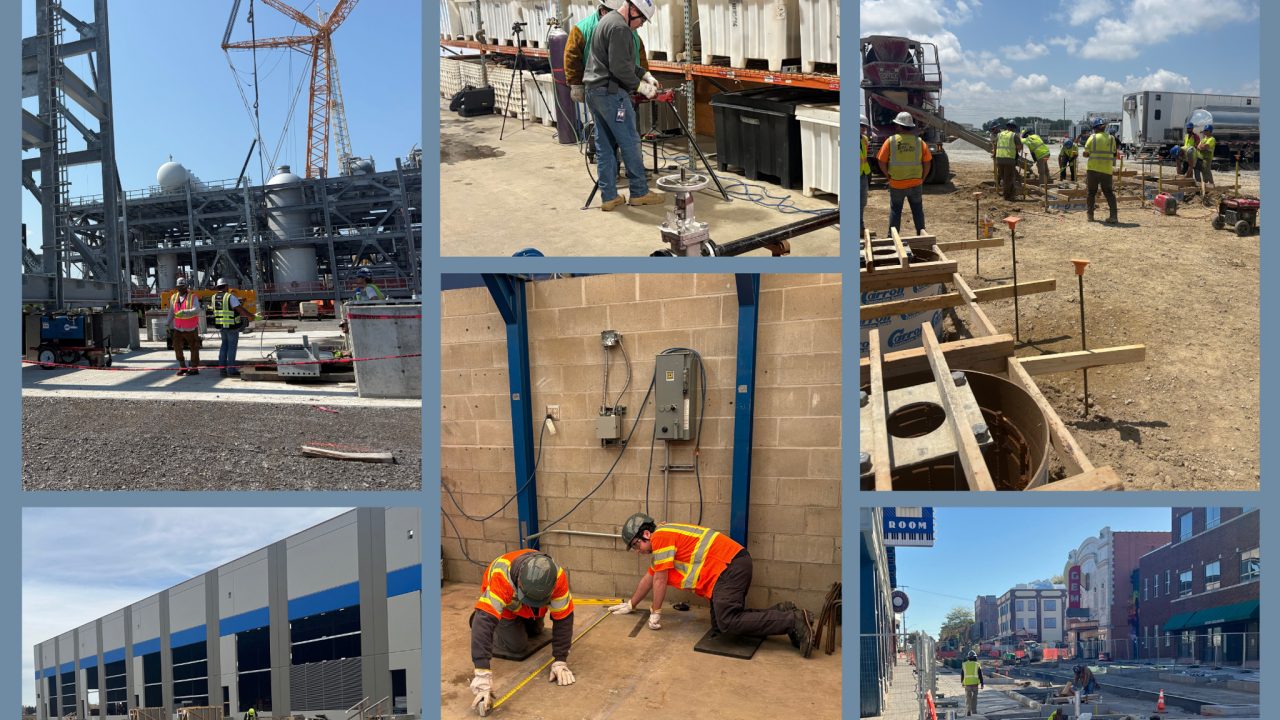
The Simplar Foundation recently completed the most comprehensive multi-year research to date on multiskilling in the construction industry.
The research included:
- 40 site visits in 24 states on 22 unique project types
- An average of 2.7 distinct skills performed per worker per day
- 128 unique trade and skill combinations observed on jobsites
- 11,407 productivity observations conducted in the field
The findings are compelling.
- 36%: average time workers were observed cross-tasking
- 39%: average increase in directly productive work time
- 68%: average reduction in idle work time
- 45-72%: additional workers that would have been required to complete the same observed work sequence if workers had been restricted to a single trade
The study also found that multiskilling is a foundational practice predominately used in the merit shop construction industry. When companies must compete based on merit, they are strongly incentivized to hire, upskill and retain the best talent. Because every worker brings unique talents, abilities and interests to the jobsite, a multiskilling workforce model gives contractors flexibility to deploy talent where it’s needed most.
Multiskilling is defined as “a labor strategy in which the workers and crews are qualified to safety and competently perform selected work activities across more than one trade, craft or skill classification”—and the benefits extend beyond productivity. The research also indicates that a multiskilled construction workforce is safer and more fulfilling for workers, giving craft professionals the opportunity to expand their capabilities and allowing contractors to be more nimble in how they plan and execute work.
As technology improves and the use of AI becomes more prevalent, the multiskilling business model could generate even more productivity gains. An adaptable, cross-functional workforce could give contractors greater adaptability to respond to changing project demands. Ultimately, multiskilling has implications beyond individual workers or companies. It could help the construction industry make better use of its existing workforce, create broader opportunities for craft professionals and increase the industry’s capacity to meet the nation’s growing demand for construction.