In today’s increasingly challenging construction environment, contractors face growing pressure to deliver more with the resources they have. Leading rental providers have responded by expanding beyond equipment supply to provide connected jobsite technologies that improve visibility, control and performance across projects.
These technologies connect equipment, tools and site infrastructure to cloud-based platforms that help teams make faster, more confident decisions about fleet size, equipment deployment and resource utilization. They also reduce administrative burdens and minimize time-consuming manual tasks, allowing teams to spend more time on higher-value priorities.
Thanks to connected technology offerings, renting is no longer solely a procurement avenue; it is also a strategy for gathering real-time operational intelligence that enables more proactive planning, stronger execution and continuous improvement across projects.
Instrumenting the Connected Jobsite
Connected jobsite technology provides a clear picture of what’s happening in real time across the site and gives teams greater control over day-to-day operations.
Creating a connected jobsite starts with instrumenting assets at every level using GPS, Bluetooth, RFID tags and gateways. For example, telematics devices embedded in rented and owned mobile equipment stream location, runtime, fuel consumption and utilization data. Smart job boxes record who checked out which tools, while tool tags communicate with jobsite gateways or telematics devices across the jobsite to pinpoint a tool’s location.
At the same time, environmental sensors report on ambient temperature, humidity and air quality, which minimizes the need for site walks and after-hours site visits. Some site monitoring platforms send alerts when levels exceed defined parameters. Hardware added to heaters, air conditioners and dehumidifiers allows teams to adjust them remotely, either manually or automatically.
By turning equipment and tools into data sources, project teams gain real-time visibility into operational reality rather than relying on manual checks, anecdotal field reports and end-of-month summaries. As a result, they can make informed decisions, identify where time or cost may be quietly slipping and take decisive action.
Optimizing Fleet Utilization
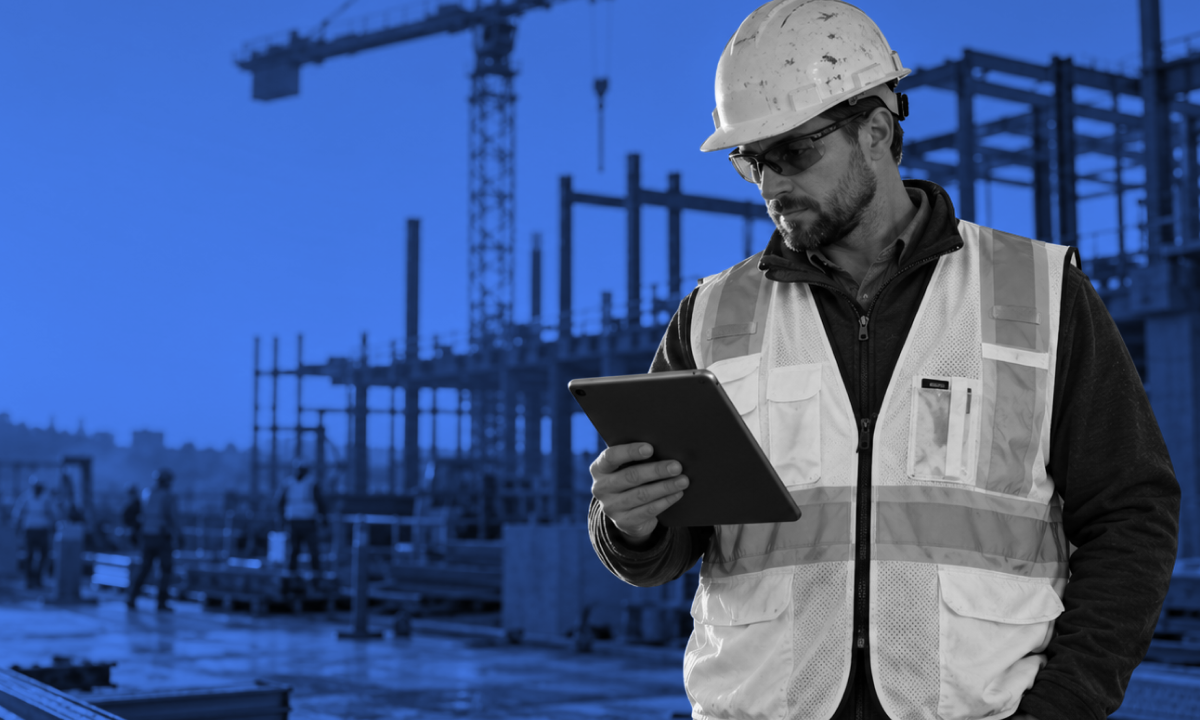
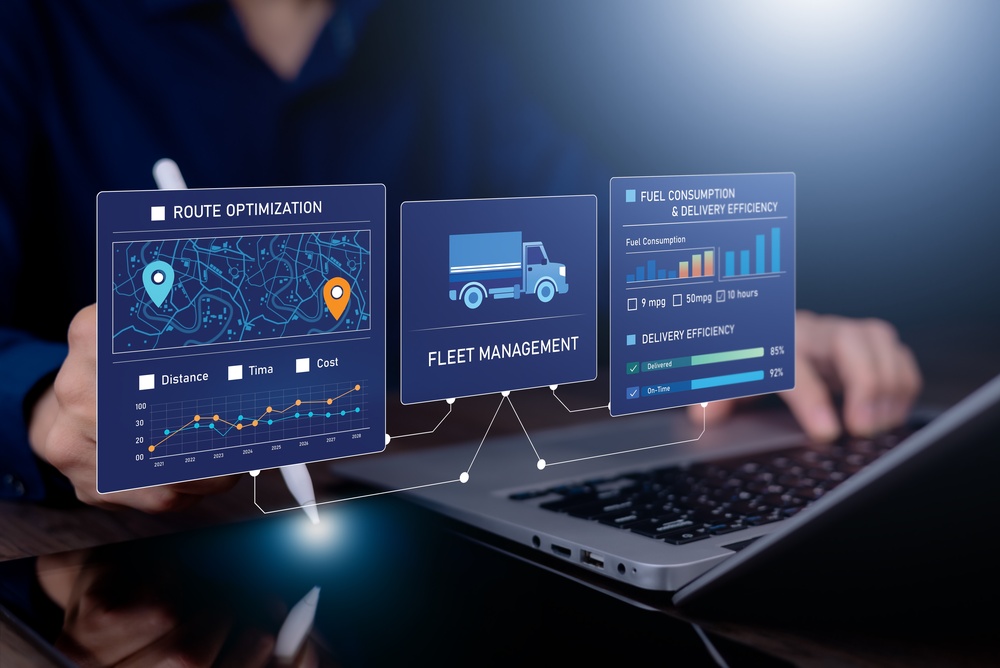
Cloud-based platforms that ingest and process telematics data help contractors optimize fleet utilization. Through desktop or mobile dashboards, teams can view the real-time location of all telematics-enabled equipment on a map. This reduces time spent searching for equipment. Locating “hidden” equipment helps project managers avoid buying or renting additional units that aren’t necessary.
Managers can also see which pieces of equipment are operating, which are idle and how heavily each unit is being used. Leveraging this data, along with utilization benchmarks available from some rental companies, they can redeploy, return or sell underutilized assets, potentially reducing their rental or capital spend. They can also make smarter buy vs. rent decisions.
Building Repeatable Playbooks
One of the most powerful benefits of connected rental ecosystems is the ability to turn project experience into repeatable fleet strategies. By analyzing historical utilization data across similar project types, construction leaders can identify patterns of over- or under-provisioning in specific equipment categories.
With this data in hand, teams can build playbooks that specify right-sized fleets for common scopes of work, including the mix of machines, power solutions and tools needed for productive starts. Compared to planning fleets based on assumptions or habit, data-driven fleet planning can reduce total project spend and free capital for other priorities.
Boosting Safety and Security Through Visibility and Control
Connected solutions from rental providers are also reshaping jobsite safety practices. Equipment access management systems are a prime example. In a cloud-based platform, contractors can easily define and control who can access and operate specific machines or classes of equipment, which helps reduce accidents, misuse and theft.
In some setups, authorized users access a machine by tapping their RFID-enabled ID badge on a card reader added to an ignition lock. Badge-based access creates a more controlled environment, reducing the chance of unauthorized use and generating records that support incident reviews and targeted safety training.
On large projects, leveraging RFID badges for equipment access management eliminates the need to assign PINs to hundreds or thousands of workers, significantly reducing the administrative burden of issuing and updating credentials.
Other connected jobsite solutions that help improve safety and security include modular smart turnstiles that integrate with perimeter fencing and towable visual intelligence systems that feature AI-enabled security cameras and alert teams to suspicious activity.
Improving Maintenance Through Data
Telematics-derived data is changing how equipment is maintained, both onsite and in the shop. Instead of relying on calendar-based intervals, maintenance teams can use engine hours and runtime to schedule just-in-time preventive maintenance based on actual wear and usage.
When a machine develops a mechanical issue, diagnostic trouble codes sent from telematics devices and analyzed by maintenance applications help rental providers identify problems and complete repairs faster. Proactive response reduces unplanned downtime and emergency service calls, keeping critical paths moving and improving overall fleet reliability.
Why the Platform Matters
The value of connected jobsite solutions rests on the power of the platforms that support them.
Some of the most useful and convenient worksite management platforms ingest and normalize data from rented and owned equipment from multiple manufacturers so managers do not have to juggle multiple systems.
Rental providers have begun offering open-architecture platforms that integrate with construction management, maintenance and enterprise resource planning systems through application programming interfaces. Open platforms allow teams to access and act on consistent equipment data within the systems they rely on every day.
Other useful platform features include customizable reports, performance benchmarking and estimated emissions calculators. Configurable alerts allow teams to manage by exception rather than monitor endless streams of data. Depending on the platform, alerts may flag low utilization, low fuel, low battery or excessive idling and may also notify managers when a machine leaves a designated virtual boundary or is moved or started after hours. These alerts help teams address minor issues before they contribute to downtime or safety incidents.
Turning Data into Better Project Decisions
For construction executives, a rental provider’s digital capabilities can create measurable value, especially when connected jobsite strategies are considered early in the project lifecycle. Decisions made during planning and mobilization shape how effectively teams utilize resources, manage risk and maintain control throughout the project lifecycle. When connected equipment, jobsite technologies and open data platforms work together, contractors can turn rental activity into operational insight. The result is greater visibility into assets and site conditions, more predictable project delivery and repeatable models for improving performance on future projects