

DOT Update: Hot Markets and Drone Use
Oregon is the hottest state for road construction, and 80 percent of DOTs are using drones.

Oregon Codifies Tall Wood Buildings
Oregon is the first state to allow wood buildings to exceed six stories without special consideration under the Oregon Building Codes Division’s recent statement

Poor Communication and Project Data Carry $31 Billion Price Tag
Research recently conducted by PlanGrid and FMI Corporation determined time spent on non-optimal activities such as fixing mistakes, looking for project data and

Powering a Decentralized Grid
In a sign of the decentralization of the nation’s power grid, many companies are turning their attention to battery-based energy storage.

Rule Governing Association Health Plans Takes Effect
Self-employed individuals with no other employees can now join an AHP along with their families.
Use of Warm-Mix Asphalt Increases
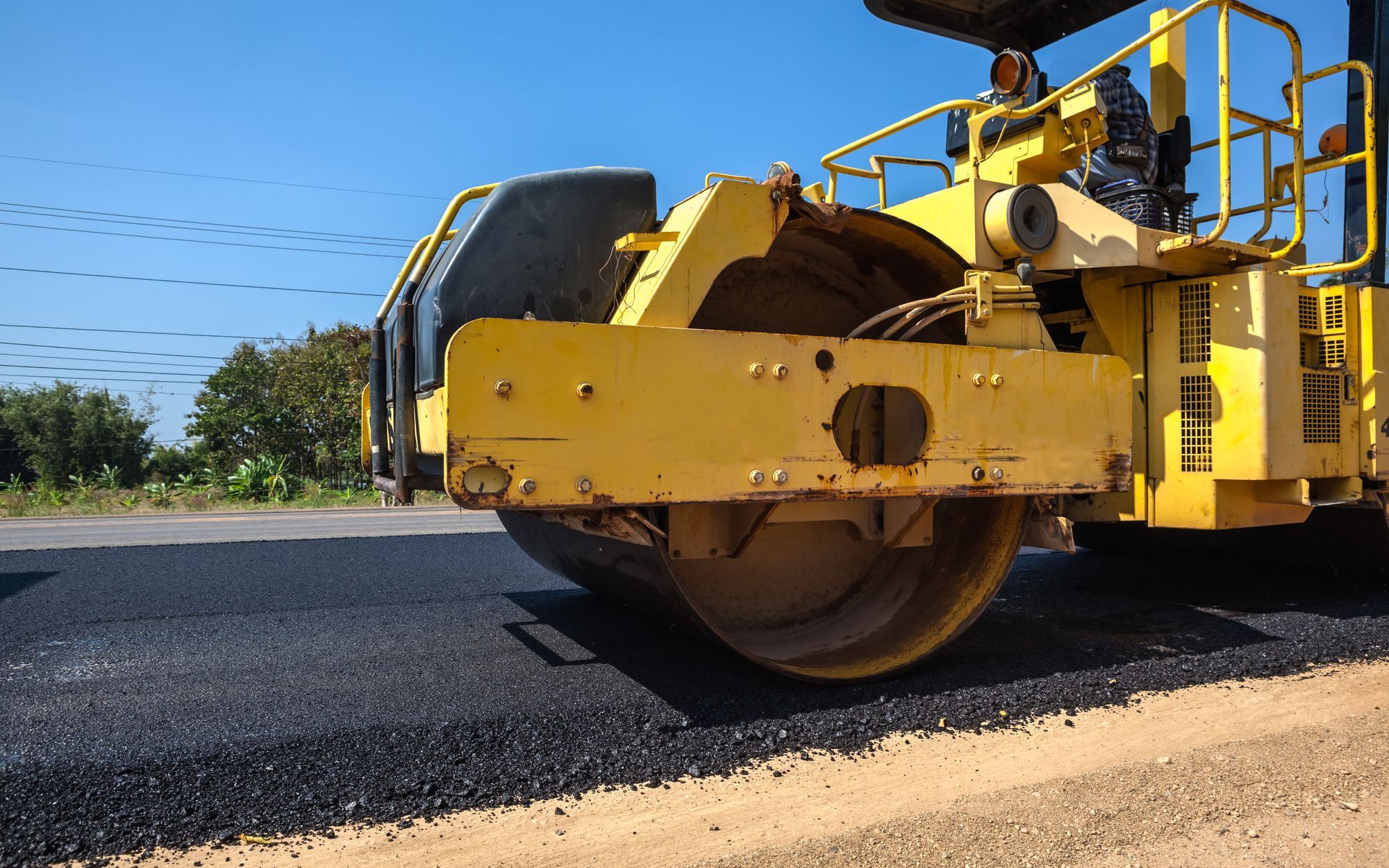
Nearly 39 percent of asphalt pavement mixture produced in 2017 was produced as warm-mix asphalt at reduced temperatures—a 777 percent increase since 2009—which

Perkins Act Updated for First Time in 12 Years
Congress passed a bipartisan reauthorization of the Carl D. Perkins Career and Technical Education Act, one of the key federal programs that supports vocational

Organizations Unite to Develop Global Fire Safety Standard
More than 30 global organizations came together at the United Nations to form the International Fire Safety Standards Coalition and develop a consistent set of high-level

Construction Groups Sign Pledge to America’s Workers
More than 20 prominent companies and associations have signed President Trump’s “Pledge to America’s Workers,” signaling their commitment to creating new

Michigan Creates Infrastructure Councils
Gov. Rick Snyder signed legislation creating the Michigan Infrastructure Council (HB 5335) and the Water Infrastructure Council (HB 5406) to manage the state’s

Time It Takes to Resolve Disputes Continues Upward Trajectory
The average value of construction disputes in North America decreased slightly to $19 million last year, but the time it takes to resolve disputes increased by more

New Standard Identifies Tethering System Requirements
ANSI/ISEA 121-2018 establishes tethering systems and containers as the best practice when it comes to falling object safety and offers guidance on what constitutes

Colorado Tops List of P3-Friendly States
New data from Aon’s Pursuit Risk and Opportunity Index identifies the top 10 places to pursue public-private partnership (P3) projects in the United States.

NYC Phases in Safety Training Requirements
Per a law Mayor Bill de Blasio signed last October, the New York City Department of Buildings (DOB) has released safety training thresholds that apply to workers

BIM Gains Momentum in Water Sector
A new SmartMarket Report on The Business Value of BIM for Water Projects reveals that nearly half of the engineers, contractors and owners already using BIM do so

U.S. Ports Need $20 Billion
In the American Association of Port Authorities’ third annual State of Freight survey, U.S. port authorities identified more than $20 billion in projected multimodal

Construction Volume and Skills Shortages Rise Globally
Global construction activity is increasing, but the industry faces more work with fewer workers, according to Turner & Townsend’s 2018 International Construction

General Contractor Liability Law Enacted in Maryland
Beginning Oct. 1, general contractors performing work in Maryland will be liable for a subcontractor’s failure to pay its employees in accordance with Maryland’s

Expert Project Planning
Check out how four winners of Associated Builders and Contractors’ Excellence in Construction® awards are carrying their project planning and collaborative best

New Standard Approved for Construction and Demolition of Wind Turbines
The American Society of Safety Professionals has published the first U.S. industry consensus standard (ANSI/ASSP A10.21-2018) establishing minimum requirements for

Pennsylvania Approves New Contractor Payment Protections
Pennsylvania Gov. Tom Wolf (D) signed H.B. 566 into law as a way to strengthen the commonwealth’s existing Contractor and Subcontractor Payment Act.