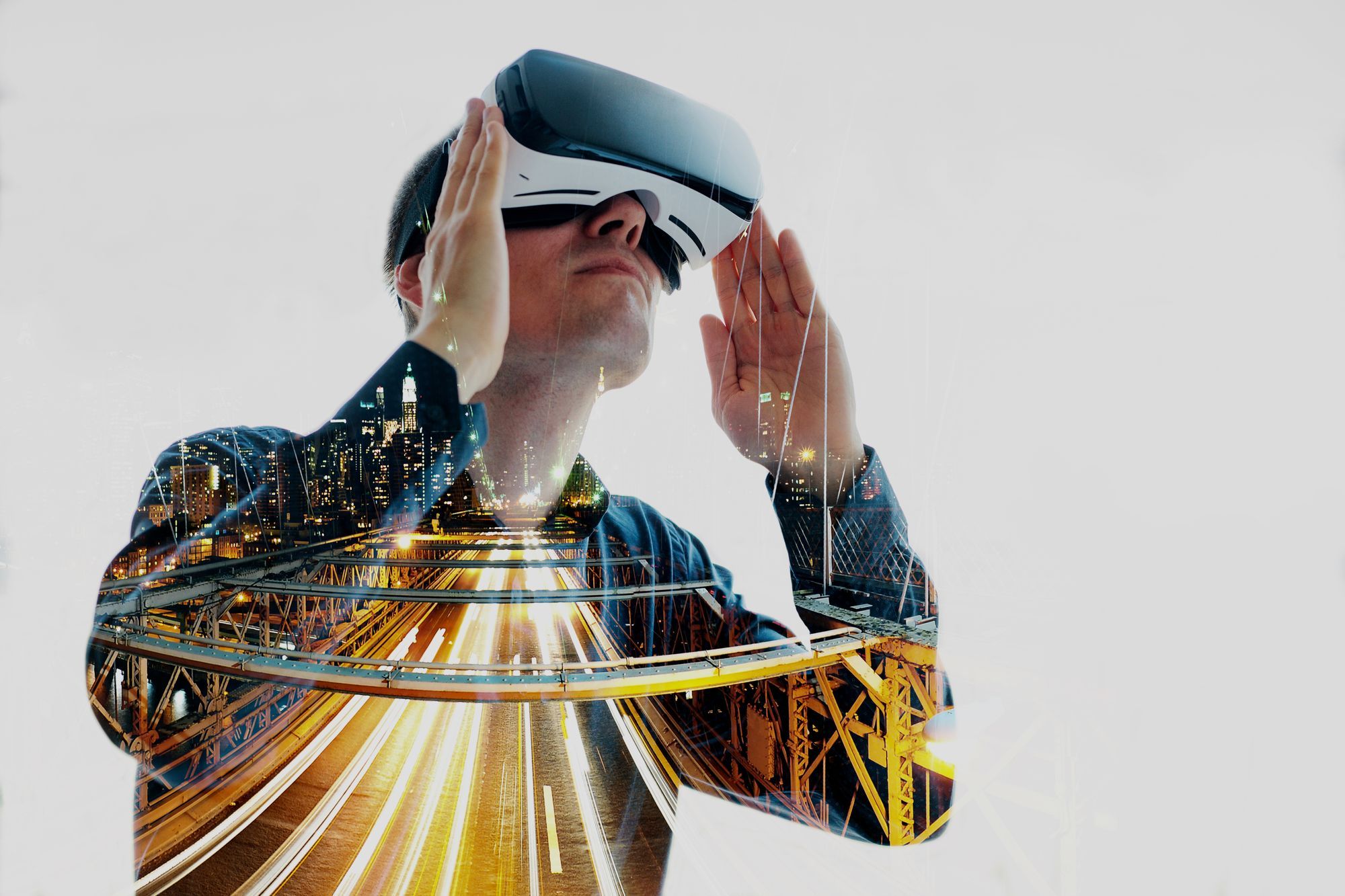
Virtual reality, implemented in conjunction with virtual design and construction (VDC), allows for key decision-makers to experience the final product and make adjustments before the project breaks ground. And before cement is even poured, the design and construction team can detect and solve conflicts with innovative solutions.
While VDC improves the efficiency of projects of any size, it significantly supports the construction of larger, more complex airport jobs. This is achieved through an integrated process that brings together the most critical components of a project: logistics, scheduling, safety and cost. Virtual reality then provides stakeholders with the opportunity to become immersed in the environment. Experiencing complex projects in this manner can create a more fluid decision-making process and fewer surprises down the road.
Constant passenger traffic, 24/7 operations, security considerations, and hundreds of employees position airport construction to be greatly aided by this process.
Minimize Disruption
Because of the constant activity at airports, maintaining operations during renovations is essential. Generally, although construction is planned in stages to minimize disruption, it could result in closed gates, cordoned off walkways and confused passengers. This scenario can lead to a reduction in airline revenue, diminished vendor business and increased passenger frustration.
Virtual reality can help streamline this process and minimize these types of disruptions. For example, the typical design process does not include actual simulation of how a facility will function at peak hours. Yet, virtual reality allows construction partners and owners to visualize and plan for peak departure and arrival times, instead of basing the plan on assumptions.
Cost and Time Savings
Savings in both time and resources afforded by the implementation of VDC and virtual reality can mean lower overall costs. In other words, pixels are less expensive than bricks.
With virtual reality, clients can experience the feel and personality of a facility, such as finish materials, custom detailing, lighting design and many other details of the design, in advance. Should changes be needed, they can be made before anything gets built, ordered or installed. This more comprehensive client experience can translate to fewer delays to a project timeline and reduced cost.
VDC is a data-driven process. Construction companies can analyze data collected and apply lessons learned from other projects—again, ultimately saving time and money.
Airports of the Future
VDC and virtual reality will continue to prioritize and incorporate traveler needs and level of service when it comes to airport design.
For example, Helsinki Airport in Finland is exploring a mix of virtual reality and augmented reality, creating a new way to visualize and interact with the airport’s operational data. In addition, Glasgow Airport in Scotland (and many others) continues to install life-size “virtual passenger assistants” to efficiently direct passengers through security and other areas.
Just as airports are never static, what’s possible with virtual reality continues to evolve.