The key to a successful safety philosophy is incorporating it into the company's everyday culture. KBR's safety journey, Zero Harm 24/7, translated into increased employee performance.
Tools to Help Address Work-Related Mental Illness and Suicide
Workers in the construction industry are six to seven times more likely to die by suicide than from jobsite accidents. There are a number of tools employers can use to create a mentally healthier work environment.
Keep Employees Safe With Temporary Cooling and Drying
Construction projects should consider the job’s entire power, cooling and drying needs before the summer heats up. A comprehensive plan allows workers and tenants to stay safe and operations to remain steady and prevents rework.
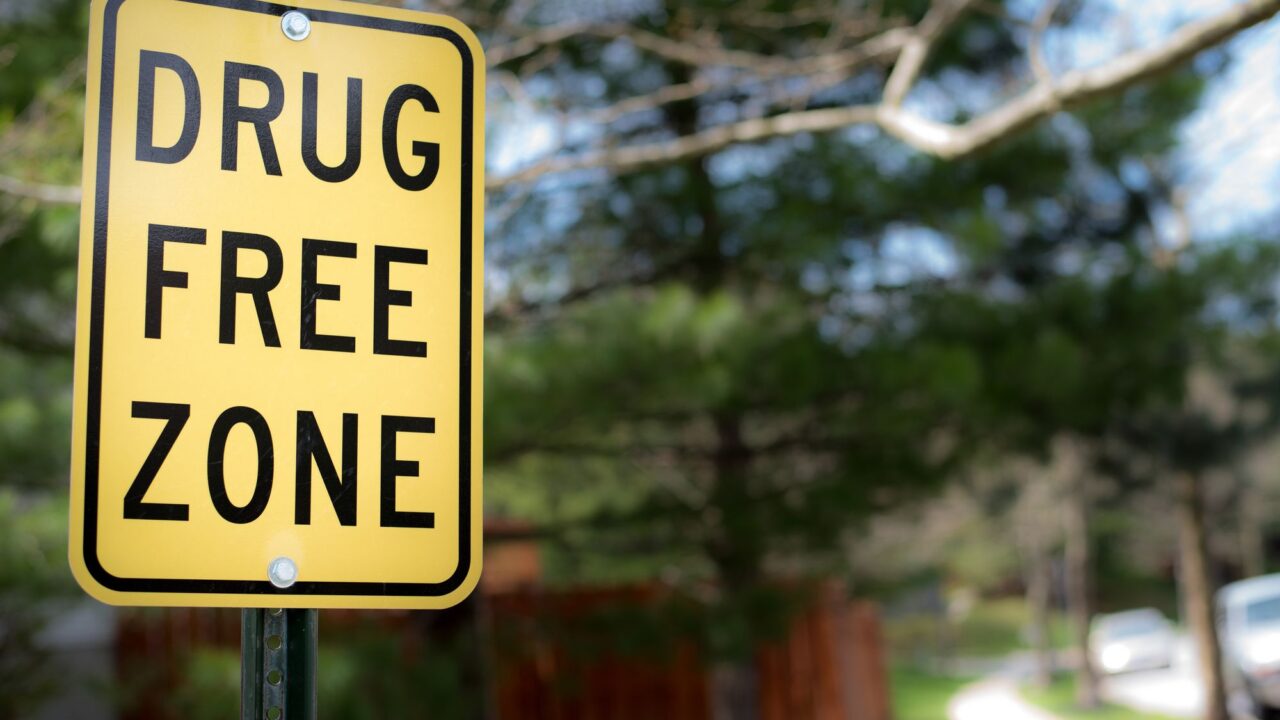
The Business Case for a Drug-free Workplace Program
Statistics regarding substance abuse within the construction industry are startling - and they translate to real-world costs in terms of lost time, personnel costs to rehire and healthcare and workers’ comp premiums.
Screening for Safety: A New Standard for Drug Testing in the Construction Industry
Drug testing is only as effective as the people collecting the samples and processing the results. Contractors will benefit from working with others to enhance safety and strengthen quality control standards.
Using Wallet Cards to Weave Mental Health and Suicide Prevention Into Safety Conversations
By providing suicide prevention wallet cards, employers affirm that mental health matters and that employees may experience challenges that affect their wellbeing or their life/work balance.
Fatigue in the Workplace
Fatigue is a potentially deadly problem that affects most Americans on the job. Construction is especially susceptible, according to the National Safety Council.
Managing Risks of an Aging Workforce
Contractors can develop strategies to align safety, ergonomics, wellness and benefits with the needs of aging workers, resulting in fewer accidents and absenteeism, better worker retention and performance, and cost savings.