Every 40 seconds a person dies by suicide worldwide. The World Health Organization estimates that for every death by suicide 10 to 20 people will make a suicide attempt, and 17% of those will result in a permanent disability. In most industrialized countries, suicide mortality rates have been falling since the turn of the millennium. The sad exceptions are the United States, where suicide rates have increased by more than 35%, and Australia, which has seen an increase of 3.3%.
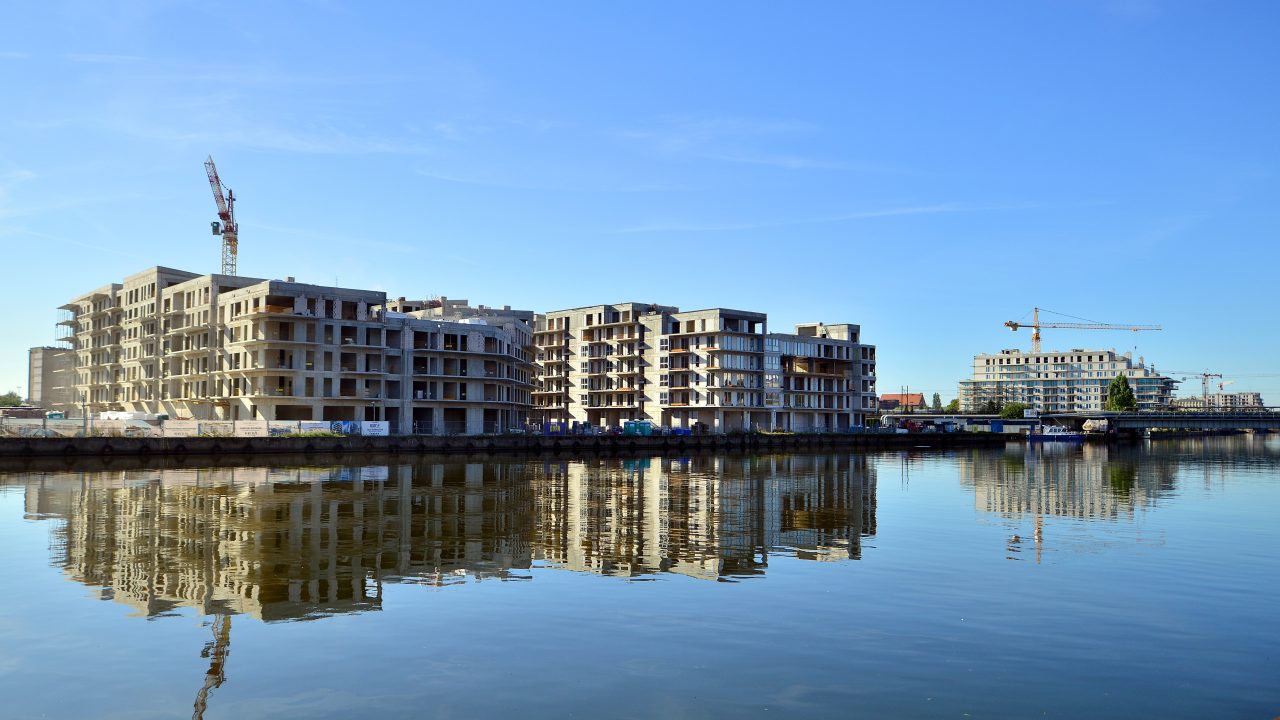
Research in the United States, Australia and the United Kingdom has found construction workers to be at a particularly high risk of suicide. Australian construction workers had 131% higher suicide rates than other employed men in 2003, although this fell to 53% in 2015 through broad industry interventions. American construction workers have a mortality rate from suicide of 53.2 in 100,000—more than twice the rate for other American men (21.5/100,000); each year more than 1,200 American construction workers die by suicide. Workers in the construction industry are six to seven times more likely to die by suicide than from workplace accidents.
There is an increasing focus on the workplace as the cause of suicide. One study in Australia found than 17% of all suicides were work-related, while research by the U.S. Bureau of Labor Statistics has suggested that as much as 6% of all workplace fatalities are suicide, leaving suicide among the most common causes for workplace fatalities.
In Japan, suicide has been a compensable workplace injury since the 1980s called karojisatsu, which means suicide due to overwork and stress. In France, the CEO and six other senior executives of French Telecom will stand trial in connection with 19 suicides and 12 attempted suicides following a company restructure between 2008 and 2009. In Sweden, the government has mandated a positive obligation on employers to manage the psychosocial work environment and establishing penalties for failing to meet an acceptable standard.
The WHO produced a resource book on workplace suicide prevention and recommended the following.
- Employers and mangers must recognize that mental health issues are legitimate work-related concerns, whatever their precipitating factors and develop policies and guidelines to address them.
- Employers must understand disability legislation and the need to make accommodation for people with mental health disabilities.
- Employers must develop appropriate prevention and promotion policies and programs.
In 2016, MATES in Construction convened an industry roundtable for industry leaders to explore ways to improve mental health and reduce suicide further across the industry. Recently The Australian Building and Construction Industry Blueprint for Better Mental Health and Suicide Prevention was launched providing guidelines for businesses of all sizes in the industry for dealing with mental health and suicide risk. The blueprint points to five core areas of activity.
- Promote work’s positive impact on mental health: Work is generally good for mental health; it provides structure, purpose, connection and it gives workers the financial means to live fulfilling lives. Workplaces can amplify these positive effects through good communication, collaborative rather than hierarchical work structures, highlighting the social value of the work project and encouraging teamwork.
- Reduce harmful impacts at work: Work can negatively affect workers mental health through a poor psycho-social work environment caused by poor management or supervision, lack of role clarity, poor change management, long working hours, work away from home and lack of job security, to name just a few examples. These workplace hazards can and should as far as practicable be managed like other workplace health and safety hazards, with a focus on elimination of hazards at the source rather than at the person.
- Provide mental health and suicide prevention literacy: Stigma is a significant barrier to a better mental health work environment. All workplaces should run workplace programs focused on increasing mental health and suicide prevention literacy and stigma reduction. It is recommended that such training should be top-down through management and supervisor training and bottom-up through the establishment of peer support networks.
- Facilitate early intervention and treatment: If treated early, many mental health conditions can be effectively managed or cured. It is important that workers have as many options for support available to them as possible. Workers may be worried about impacts on insurance plans or future employment and may, therefore, be reluctant to engage with services through their employment. In male-dominated workplaces, such as construction, it is important to focus on “help offering” rather than “help seeking” as men often find it difficult to ask for help.
- Provide return to work and ongoing support: A major barrier for workers to seek help, particularly workers with less secure employment, is the perception or reality that it may harm their future career and job prospects. It is important for workplaces to have clear return-to-work policies and practices at all levels of the business to help overcome this perception or reality.
Suicide is a significant issue in today’s society. Some industries such as construction have particularly high rates of suicide. There is a moral and a legal obligation for employers to mitigate hazards in the workplace including mental hazards. As there is more focus on the issue of workplace suicide globally, it will increasingly be expected that employers mitigate the risk of poor mental health and suicide in the workplace. There are a number of tool employers can use to create a mentally healthier workplace; the Australian construction industry blueprint is just one of many. For a copy of the blueprint, visit www.constructionblueprint.com.au.
For a copy of the Fellowship research this article in part was based on, visit www.churchilltrust.com.au/fellows/detail/4239/Jorgen+Gullestrup.