Construction workers lead a fast-paced work life that often includes the risk of a potential fall, resulting in injury. However, by incorporating the latest technology including drones and wearables, construction companies and general contractors can protect their workers and jobsites from potential harm.
With resources stretched thin to meet the priorities of developers and property owners, common or routine hazards can easily go unnoticed, resulting in workplace disruption. This includes overlooking the potential for slips, trips and falls, which can cost contractors money, time and reputation. Construction leaders should be mindful of these situations and develop safety protocols to help protect jobsites and prevent worker injuries.
According to the U.S. Department of Labor, falls are a leading cause of fatalities in the construction industry. The federal Bureau of Labor Statistics has reported that falls account for approximately 40% of all construction fatalities, and data shows there were 1,008 construction fatalities in 2024 of which 380 (38%) were due to falls.
While contractors and workers are aware of the hazards posed by falls, the risks linger, making it imperative that construction companies develop a comprehensive fall protection program to help eliminate fall hazards and make jobsites safer places to work.
Leverage Engineering and Technology
The first step in fall protection is to avoid, when possible, working in a place where the risk of a significant fall is possible. If that is not possible, having safety measures and the latest technology in place can become a differentiator for reducing the impact of injuries. The use of physical controls such as guardrails and hole covers, combined with the proactive use of technology to provide early warning of an adverse condition, can be key to a progressive fall risk prevention strategy.
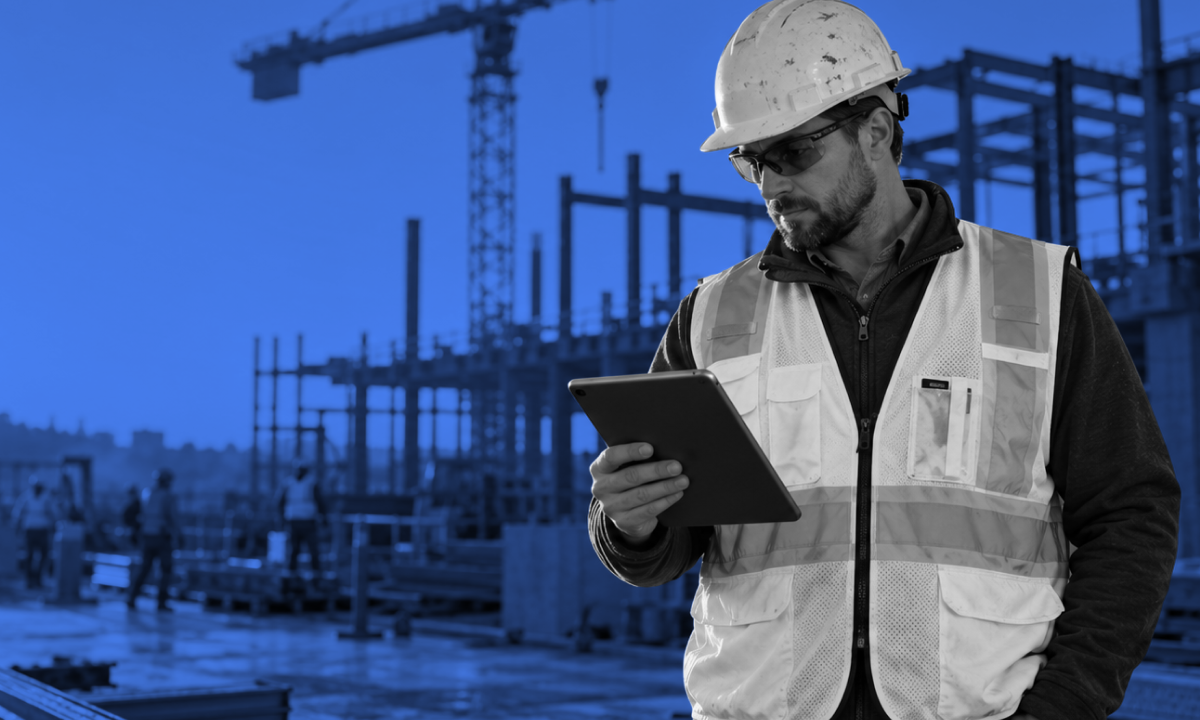
The evolution of technology in the construction industry is making the job site safer. For example, companies are investing heavily in imagery technology to monitor workplaces more effectively—especially as site managers cannot always be on the job. This is a way to record what is happening and monitor various aspects of a project at one time, which helps encourage workers’ safety. A safety manager can cover more ground with this imagery technology in place. Instead of overseeing a single project, they might have capacity for multiple projects.
Additional technology that’s being deployed on construction sites includes:
- Drones, which have been used to conduct site inspections in remote or hard to access areas. With drones, contractors can make 3D and topographical models and obtain high-resolution images of jobsites.
- Wearables and site sensors that can be placed on workers or in their personal protective equipment. They use GPS tracking and biometrics to mitigate accidents. Wearables can track slips and falls, while site sensors can warn workers about potential hazards and make the jobsite safer. They can track noise levels, dust saturation in the air they’re breathing, temperature and the presence of hazardous substances.
- Robotics, which can be used for repetitive tasks such as bricklaying and tying rebar. Automation saves workers’ time and allows them to focus on more complex tasks. Robotics is also a promising way to prevent injuries and fatigue on a construction team.
Rescue Procedures
It is important to remember that a worker, suspended in a harness after a fall, is at risk of shock or unconsciousness due to blood pooling in the legs. This can become life-threatening after a few minutes. This is why a written, project-specific rescue plan is essential for a quick recovery. Contractors should consider the following:
- A suspended worker can be rescued using a ladder, scissor lift or aerial lift.
- Self-rescue procedures include a block-and-tackle device or friction device to lower the worker slowly.
- High-rise rescues may require a crane and a Stokes basket.
Spread the Word
To maintain a proactive fall protection program, contractors and businesses must always enforce the protocols. Managers and supervisors should have a written discipline and enforcement policy specifically for fall protection and share the policy with employees during orientation. In addition, they should apply the policy fairly to all employees, as well as have qualified personnel conduct daily work site inspections to evaluate compliance.
During orientation, newcomers to the construction site should learn about all fall hazards present on the site and when and where fall protection is required. Proper use, maintenance and inspection of fall protection systems should be covered along with the established enforcement program.
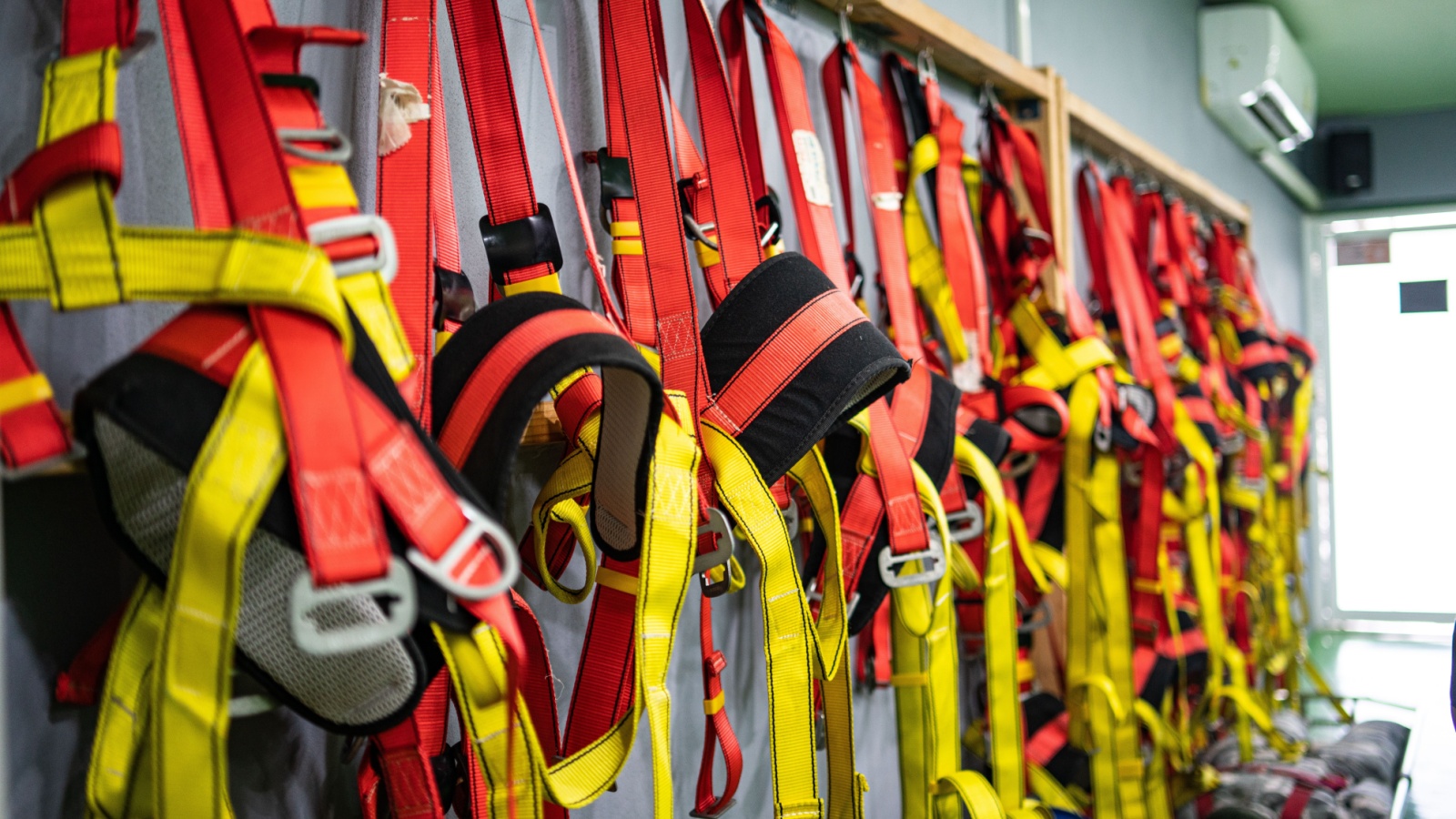
Workers using personal fall arrest systems should be trained in how to use and maintain the equipment. Document all training with written records. Provide retraining when procedures change or when an employee does not understand the information.
Protecting construction workers from fall hazards must be an integral part to any construction project, and developing a fall protection program can help eliminate the risks to make the job site a safer place to work.
SEE ALSO: FALL PROTECTION PRODUCTS: CONSENSUS VS. REGULATION