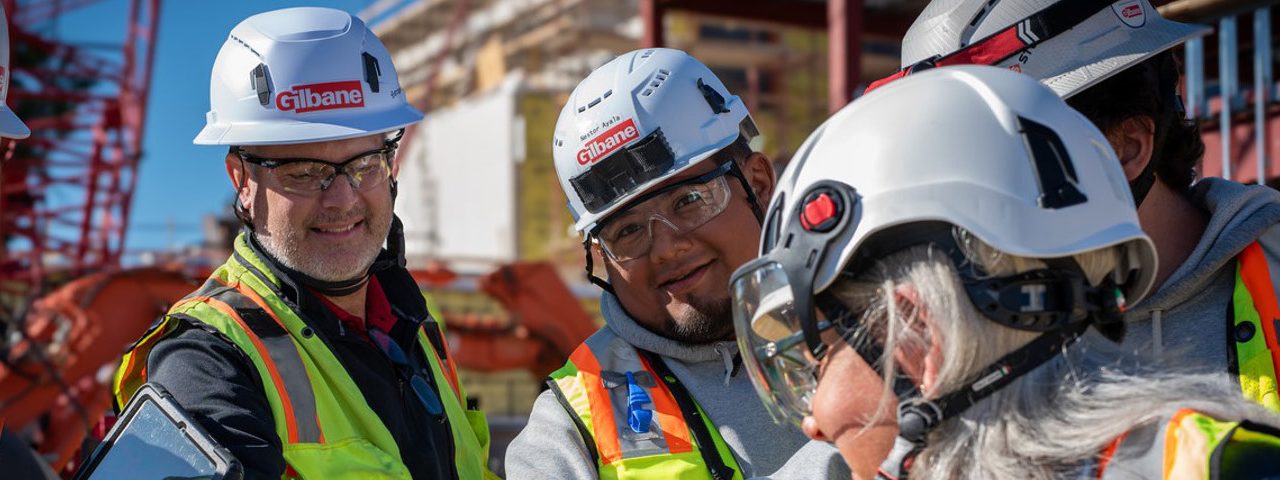
Construction companies are increasingly turning to digitalization to gain much-needed visibility on the jobsite to improve safety, reduce risk and operate more efficiently.

Sleeping (Off the Job) to Improve Performance and Mental Wellness
Poor sleep is associated with increased risk for death by suicide, even after adjustment for depressive symptoms.
Addressing the Construction Industry’s Suicide Epidemic
Suicide is the second leading cause of death to ages 15-34, the prime employment age for construction workers. The key to reversing this alarming trend is to create a supportive, open environment at the workplace.
How Emotional Intelligence Can Transform Construction’s Hypermasculine Culture
Many workers in construction have the typical emotional profile that is a recipe for disaster when it comes to suicide and poor mental health. Here are a few techniques to improve workplace wellness.
Create a Successful Distracted Driving Prevention Program
The negative societal impacts of distracted driving are widespread. It is not acceptable for commercial businesses to contribute to hazardous roadways when there are so many affordable and effective tools available.
Four Things Construction Professionals Need to Know About Asbestos
Asbestos exposure is a health risk and financial liability for construction professionals, so understanding those consequences along with OSHA regulations, identification and mitigation, and what workers with a history of exposure should do is key.
Establishing an Effective Safety Committee
Safety committes can be the eyes and ears of a company on and off the jobsite, providing a structured forum for employees to express concerns and provide solutions for improving workplace hazards and processes.
Death by Suicide: Whose Fault Was It?
Last year, more than 47,000 Americans died by suicide. Construction has the highest rate of suicide deaths, so providing support for workers affected and educating them on suicide prevention is paramount.