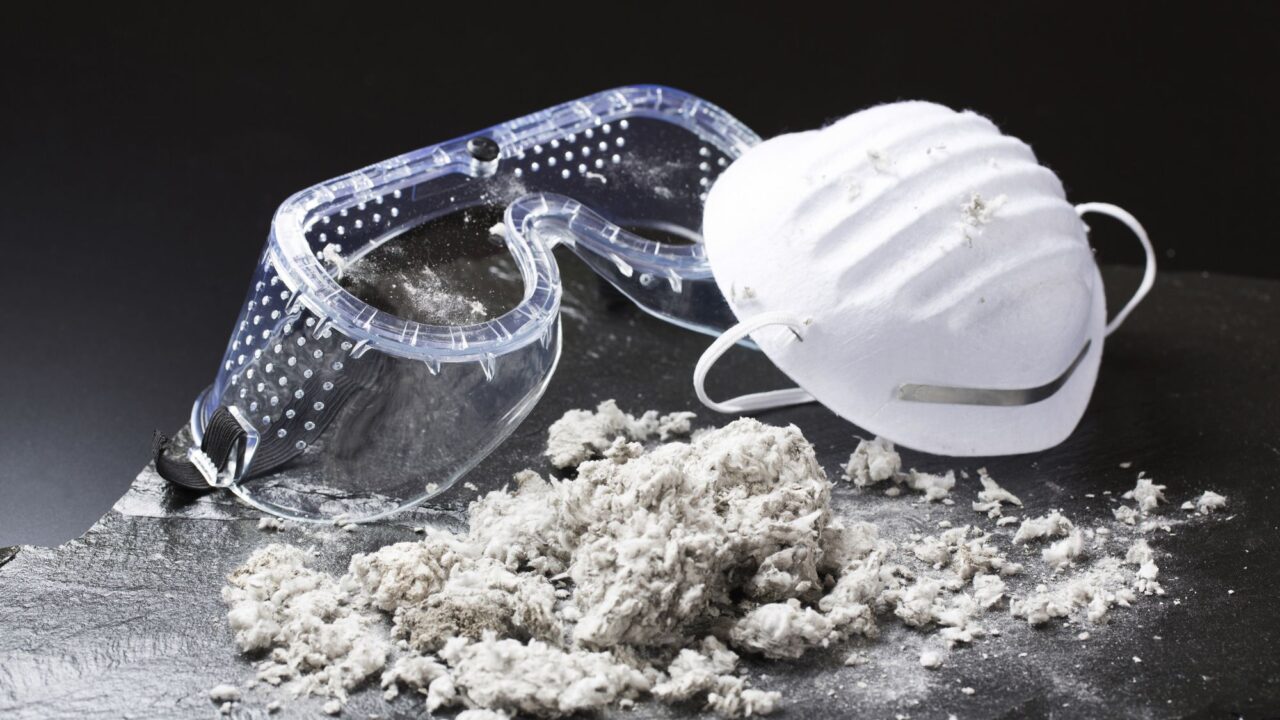
Using respiratory protective equipment when working around asbestos and contaminated material protects the wearer from hazardous substances, but proper fit, storage, maintenance and repair are essential.

Building a Culture of Safety: It’s More Than Checking the Box
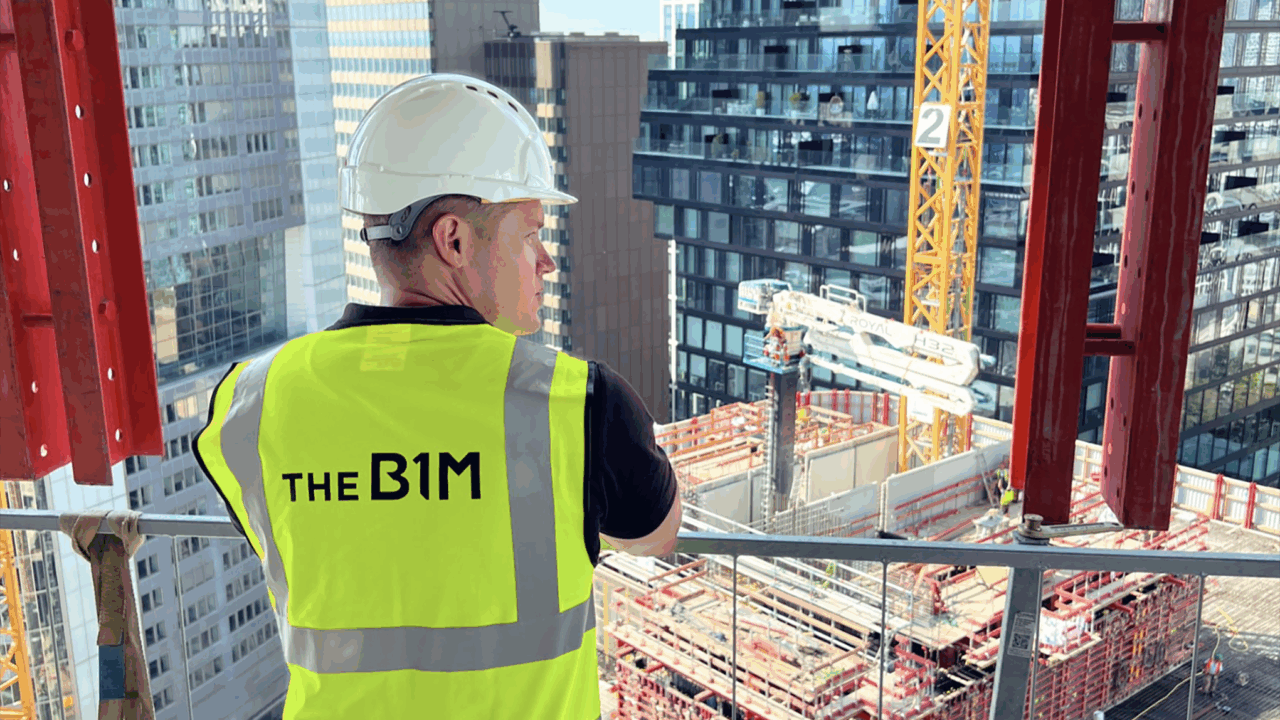
To foster a culture of respect, facilitate trust and open communication; empower employees to look out for one another and report safety incidents; and give them the authority to stop work.
Workplace Injuries: They’re Not Just Physical
Up to a third of individuals experiencing a traumatic event will develop PTSD. As chronic emotional stress claims due to a physical injury rise, employers can take steps to mitigate risk and cost of PTSD treatment.
Recognizing Symptoms of a Mental Health Issue
Discussing mental health is just as important as the health of a piece of equipment or the financial health of the organization. Learn to recognize symptoms of mental health issues.
Challenges and Progress in Mitigating Asbestos Exposure
Each year, nearly 40,000 Americans die from preventable asbestos-caused diseases, such as mesothelioma, lung, gastrointestinal, laryngeal, colorectal and ovarian cancers.
Strong and Flexible: How Contractors Can Build Practical Medical Marijuana Policies
How can employers develop, implement and enforce medical marijuana policies that ensure a safe workplace without running afoul of employees’ rights?
Employee Burnout: A Workplace Safety Hazard?
To prevent employee burnout, watch for warning signs such as trouble concentrating, fatigue, low morale, anxiety, irritability, alcohol or drug use, workplace incidents and violence.
Buying vs. Renting Health Insurance
Businesses with more than 25 employees should consider buying health insurance instead of renting it.