The 2015 suicide rate for men in construction was four times higher than the overall rate. Open communication and action are crucial when it comes to suicide prevention.
Employers must be mindful that mental health conditions can create a protected status under federal law, and employees may have the right to paid or unpaid leave under state or federal law.
The economic boom, coupled with a shortage of skilled laborers, may mean overtime hours. Managing overtime schedules to assure safety and quality of life will benefit a company in the long run.
The six stages of recovery make the process easier to understand for employers, coworkers, family and friends who don’t have prior knowledge or experience with the process of recovery of substance use disorder.
As the industry moves into 2020 leaders will look to new solutions to improve safety and take greater advantage of existing telematics systems technology. They will see cost-savings and maintain locational, situational and operational awareness across their entire business ecosystem.
There are four simple things contractors can do when a worker is injured that protects the injured worker and sends a message to all employees that safety is a priority.
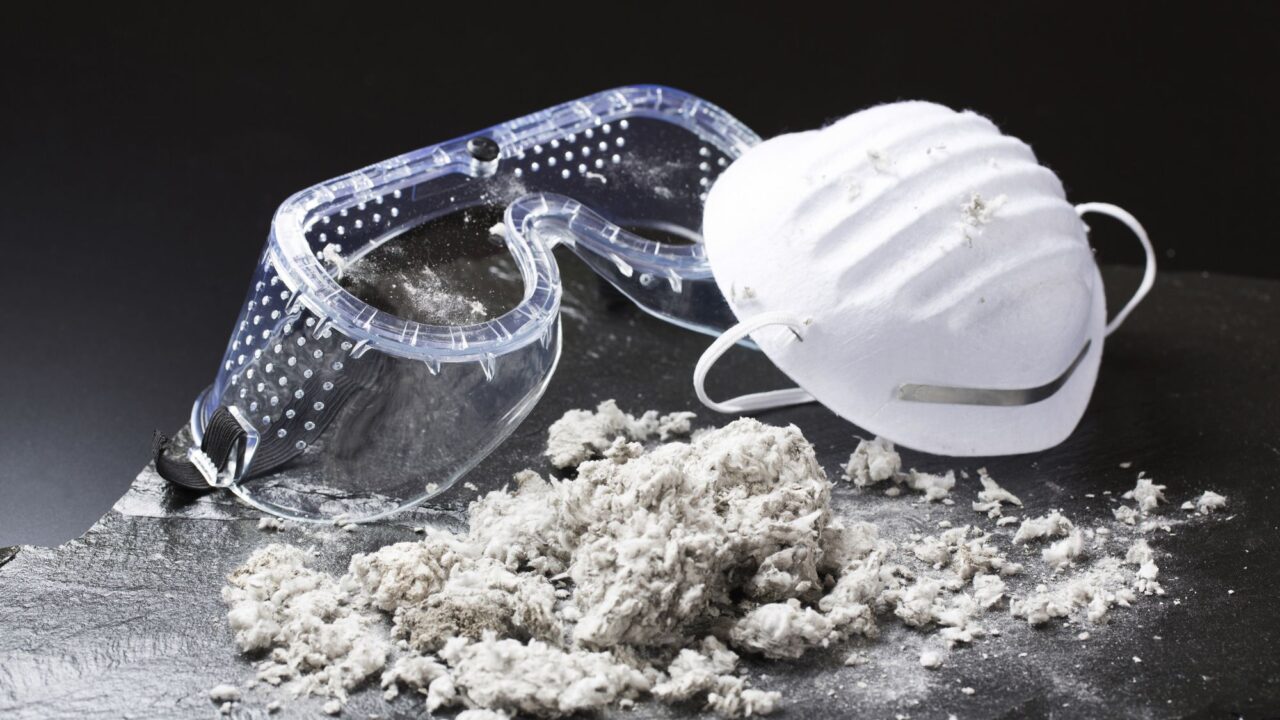
Using respiratory protective equipment when working around asbestos and contaminated material protects the wearer from hazardous substances, but proper fit, storage, maintenance and repair are essential.
To foster a culture of respect, facilitate trust and open communication; empower employees to look out for one another and report safety incidents; and give them the authority to stop work.