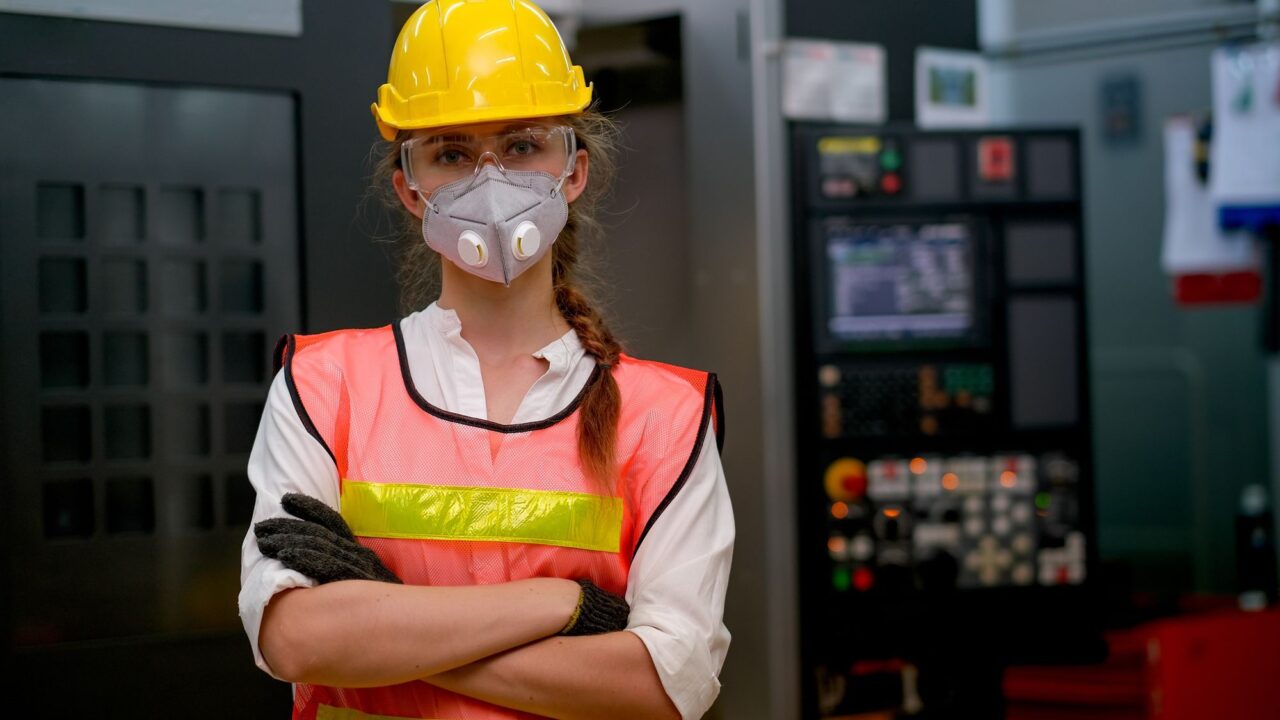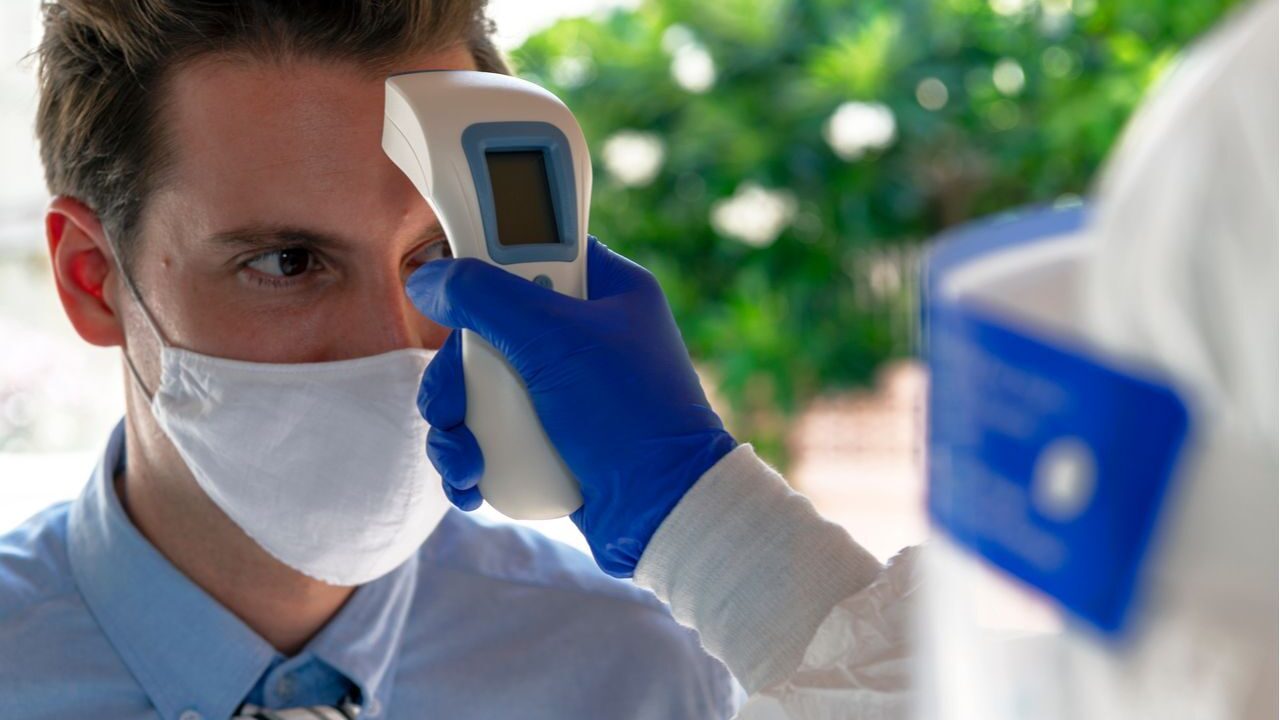
The CDC has modified its guidance for “critical infrastructure” employers on whether they can permit asymptomatic workers to continue to work after exposure to an individual with a suspected or confirmed case of COVID-19.

Using Technology to Help Solve the Mental-Health Crisis in Construction
Mental health is a lingering symptom of the COVID-19 pandemic. Given the shortage of counselors and the spike in demand, it is time to embrace technology to fill the gaps and add value.
Managing Risks of COVID-19 While Working in Occupied Facilities
As flu season approaches and COVID-19 continues to be a threat, contractors must establish and implement a job hazard assessment plan to identify risks presented by COVID-19 and that mitigates those risks.
How the Pandemic Evolved the Health Care Facility Inspection Process
Through lockdowns, travel bans, furloughs and social distancing, many of the people relied on for required health care inspections are now unable to come onsite. To work around this constraint, the construction industry was forced to change rapidly.
Total Safety for Workers Includes Protecting Their Personal Data
Protecting employee data should be part of a comprehensive safety plan, so when considering wearables, follow best practices and collaborate with manufacturers with proactive, worker-centric processes in place.
Construction Technology and Software Rundown: Oct. 30, 2020
Here's a rundown of the latest in construction technology and software.
How Onsite Clinics Increase Health and Safety for Construction Employees
Onsite care clinics are a direct investment in employees and produce a positive ROI. With a smaller capital investment and scalable resources, small-to-medium-sized businesses can reap returns on this attractive benefit.
COVID-19’s Long-Term Changes to the Construction Industry
As the construction industry navigates the pandemic towards a new normal, savvy executives will invest in tools, strategies and operating procedures to come out stronger and improve future success.