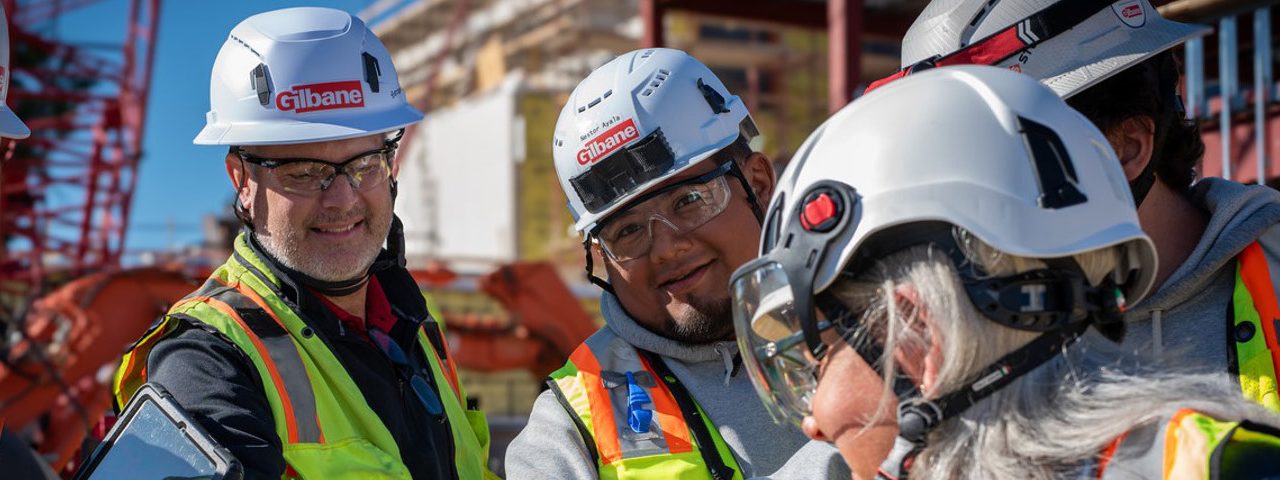
The key to a successful safety philosophy is incorporating it into the company's everyday culture. KBR's safety journey, Zero Harm 24/7, translated into increased employee performance.
Most—if not all—construction fires that have occurred over the last few decades were preventable. Here are some best practices to follow to avoid the risk of fire.
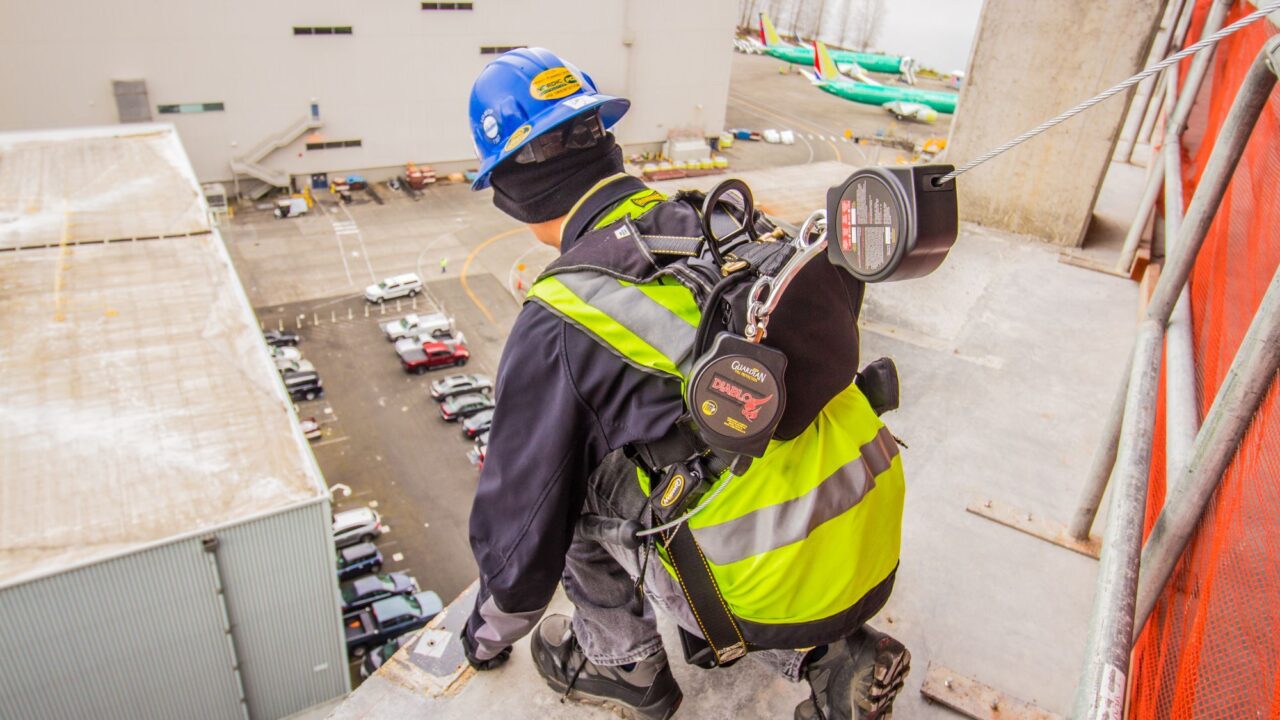
Leading edge hazards are often misunderstood and overlooked on today’s highly visible jobsites. Evidence is readily available via images shared on construction-related social media accounts.
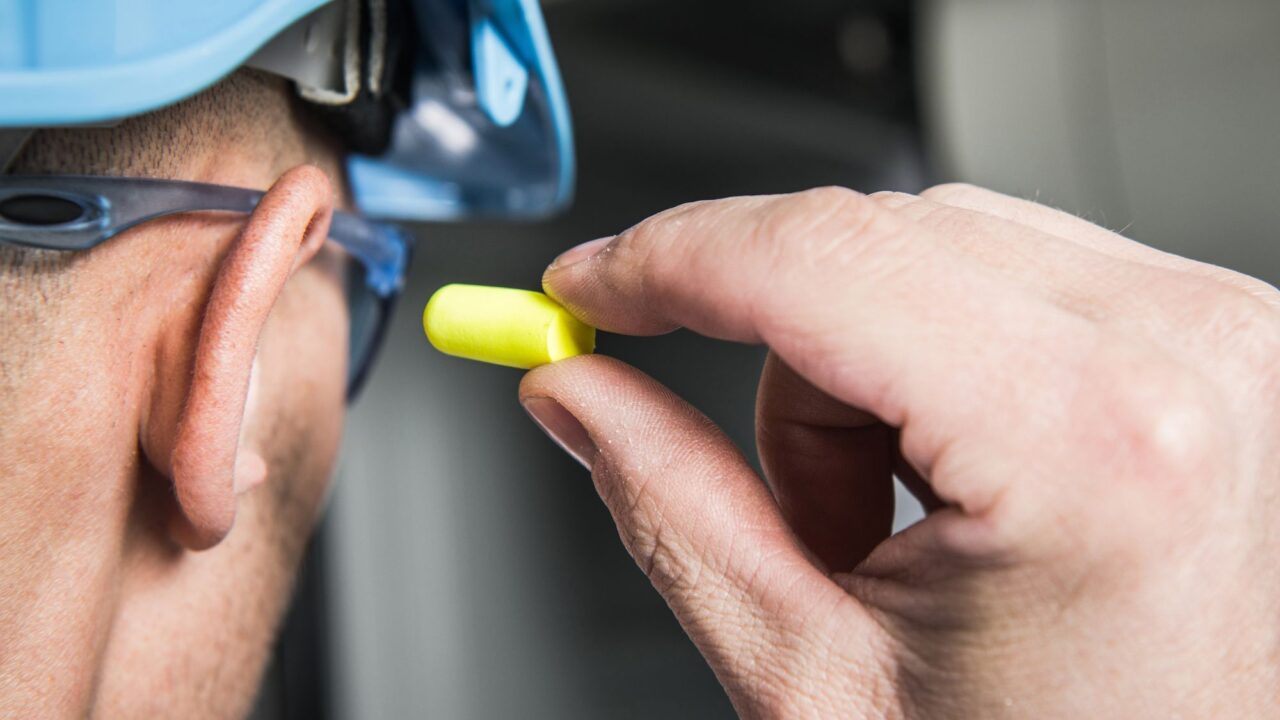
Eighty-three percent of the 237 contractors surveyed for a new Dodge Data & Analytics SmartMarket Brief say they’ve purchased quieter equipment to protect workers from noise exposure.
An effective electrical safety program ensures that workers are equipped with the tools, skills and organizational support to recognize and avoid hazardous conditions that could lead to an arc flash incident.
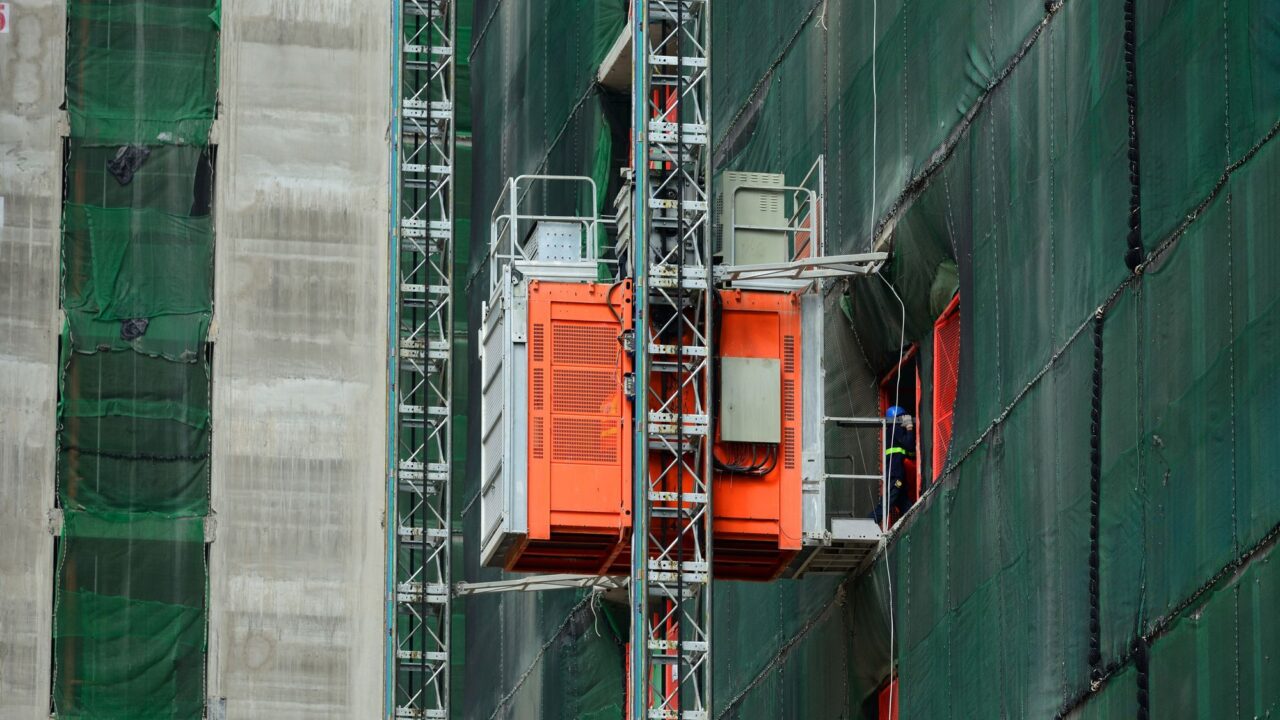
Elevator-related injuries in construction reached a high of 920 in 2012 before falling to 280 in 2016, a 70 percent drop in four years, according to a report from The Center for Construction Research and Training.
Construction workers in cold climates are at risk of weather-related fatalities, so educate them on the dangers of exposure and how to protect themselves.