OSHA’s National Emphasis Program on COVID-19 signals its commitment to step up virus-related inspections. Savvy contractors should implement COVID-19 policies, training sessions and protocols.
Report: RLB Anticipates the Effect of the Coronavirus on the Construction Industry
While total crane count holds steady, turbulent economic conditions indicate a recession-based drop in construction costs.
Using the STOP Principle to Keep Workers Safe
The inverted STOP mindset (people/organization/technology/substitution) goes beyond safety equipment. It assesses safety wholistically and practically for workers and the construction site.
Do or Die: Stemming the Rising Tide of Construction-Related Fatalities
Safety-minded contractors can decrease fatalities and injuries with coaching and mentoring. But is an employee who continually violates safety policies worth keeping?
The ‘Safety Technology’ in Safety Technology Tools
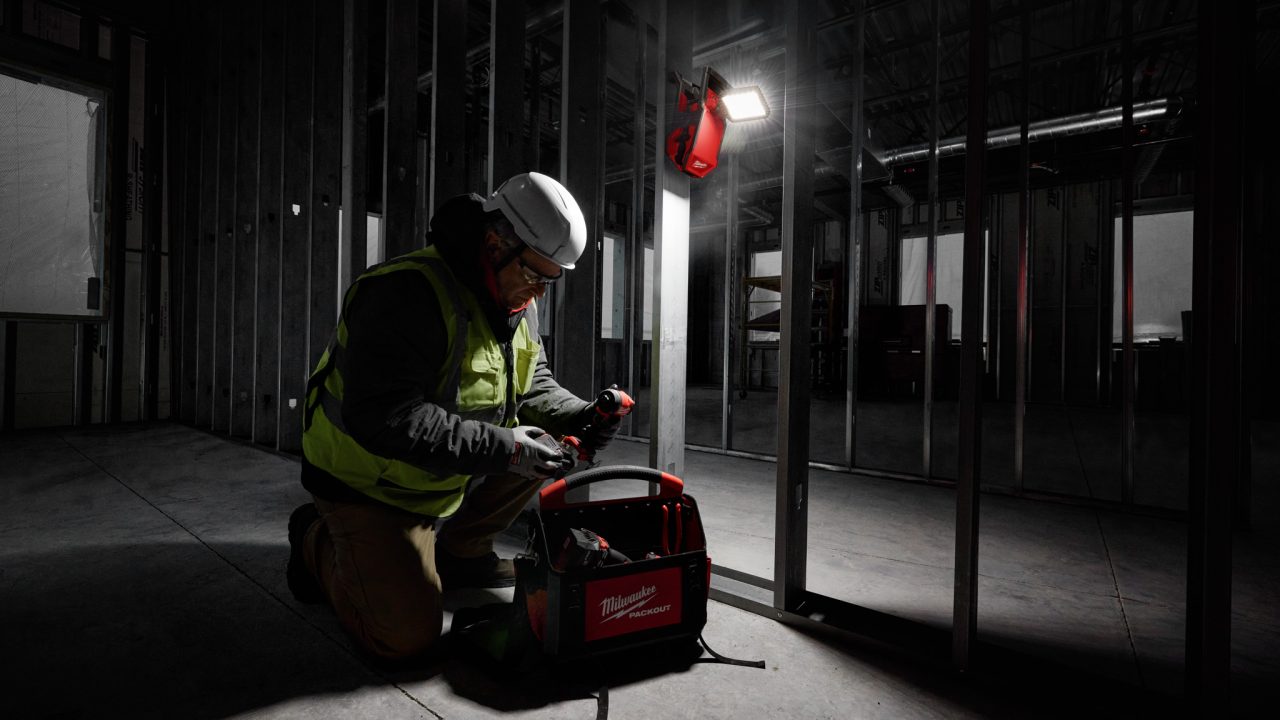
Manufacturers recognize that the ramifications for injuries on the job impact more than just the worker—they also have a domino effect on the company itself. Therefore, these manufacturers are actively developing and implementing new safety technologies into tools.
Engage Employees Through a Mobile-First Safety Program
A recent Gallup report found that companies with higher scores on employee engagement saw 64% fewer accidents than companies with low employee engagement. Yet, many companies today, particularly in construction, still manage safety programs with [...]
Key Legal Considerations for Modular Construction Contracts
Modular construction projects involve complex commercial and legal issues that should be considered when drafting contracts. ConsensusDocs 753 addresses key issues of these hybrid transactions.
Prevent Occupational Asthma With Awareness
Occupational asthma deaths are highest in the construction industry. The good news is that they can be prevented by monitoring, mitigating risks and eliminating exposures at the worksite.