Construction employers with employees who operate cranes should assess their training, certification and evaluation programs now to ensure they are fully compliant with OSHA’s final rule.

Shouldering Responsibility for Protecting Workers From Arc Flash Incidents
An effective electrical safety program ensures that workers are equipped with the tools, skills and organizational support to recognize and avoid hazardous conditions that could lead to an arc flash incident.
Elevator Construction Injuries Decline, but Fatalities Rise
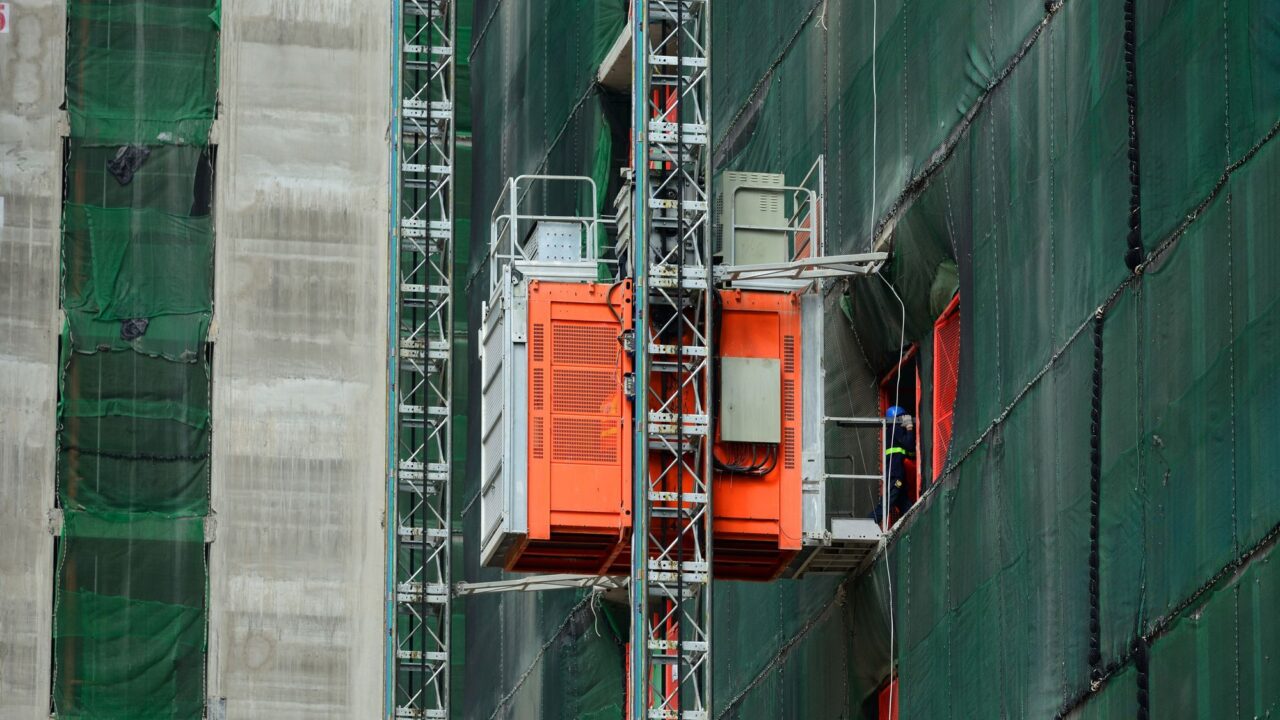
Elevator-related injuries in construction reached a high of 920 in 2012 before falling to 280 in 2016, a 70 percent drop in four years, according to a report from The Center for Construction Research and Training.
New Year’s Budgeting: Why Emergency Preparedness Takes Priority
Extreme weather events can cause extensive damage. A weather mitigation plan can ensure the safety and security of commercial buildings and the people within them—particularly when it comes to electrical systems.
OSHA Amends Injury and Illness Reporting Requirements
OSHA’s final rule on Tracking of Workplace Injuries and Illnesses eliminates the requirement for establishments with 250 or more employees to electronically submit information from OSHA Form 300 (Log of Work-related Injuries and Illnesses) and OSHA Form 301 (Injury and Illness Incident Report).
Climate Change and the Need for Resiliency in the Built Environment
The industry needs to meet the challenges of climate change by incorporating climate projections into infrastructure design, investment and appraisal criteria, and model building codes.
How Small Construction Companies Can Address Suicide Prevention
The key to any suicide prevention program in the workplace is creating a caring culture. Effecting culture change is more possible in a small company, where leadership can interact with employees on a frequent basis.
Ready to Sell the Business: What Insurance Should the Buyer Be Required to Carry?
It’s important to make certain the liabilities arising out of the sale of a business are clearly understood by each party and that appropriate insurance is in place. This should be addressed in the buy/sell agreement.