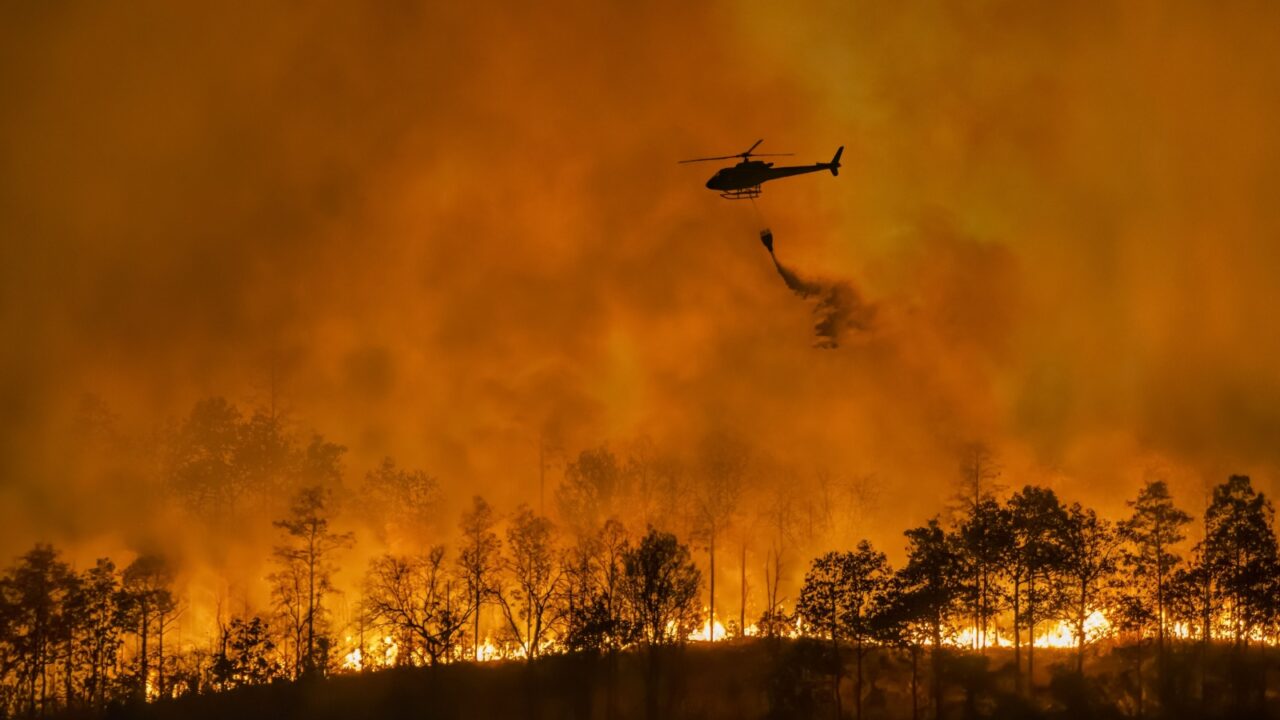
To help reduce the likelihood of fire events, contractors can follow a number of best practices to safeguard construction sites against arson and catastrophic exposures.
As 2017 comes to a close, contractors faced new OSHA regulations, drug and opioid epidemics and new AIA contract documents. For 2018, expect a focus on workplace violence and ergonomic concerns.
An effective response to a severe weather or other force majeure event begins well before the first meteorological warnings. The force majeure provision in the project contract may dictate a contractor’s or subcontractor’s rights to recovery.
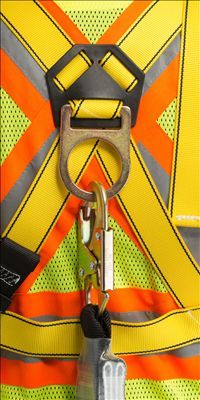
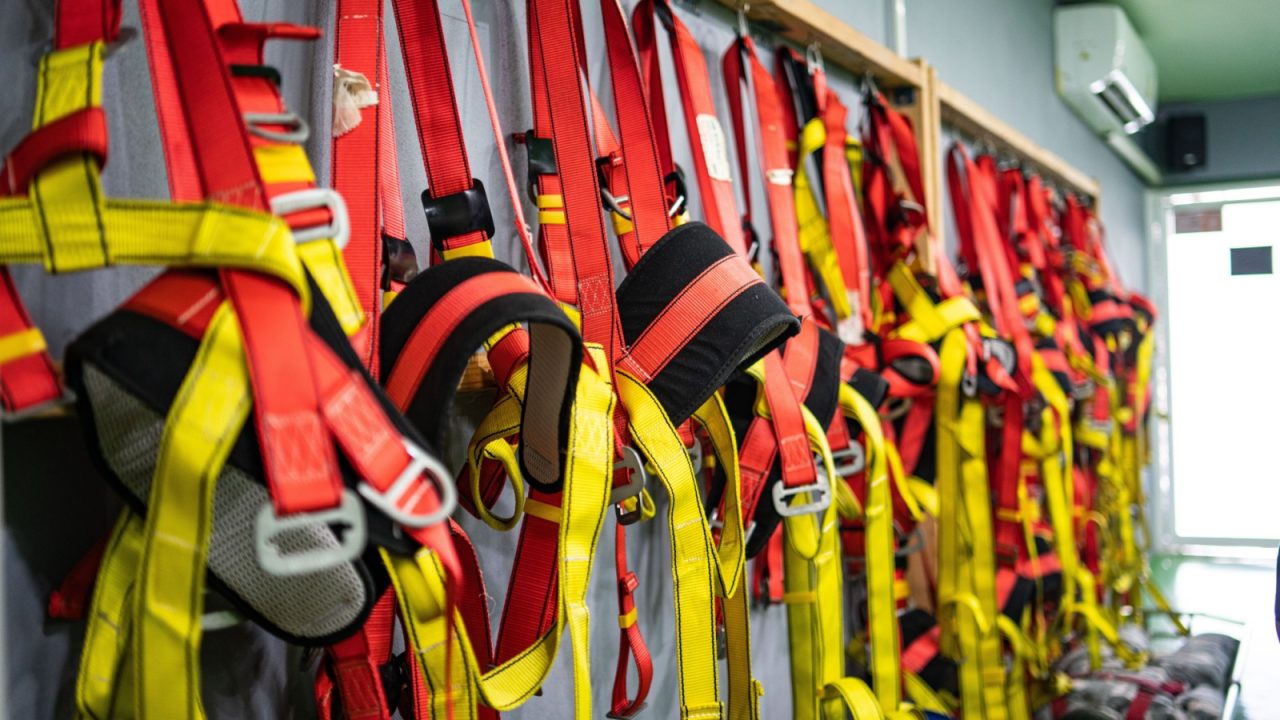
Fall protection (general requirements) was OSHA’s most frequently cited workplace safety violation this year, totaling 6,072, according to a preliminary report from the National Safety Council.
The financial threat of musculoskeletal disorders is real for construction companies and should be mitigated. Employers need to implement proper ergonomics to reduce the risk of injury.
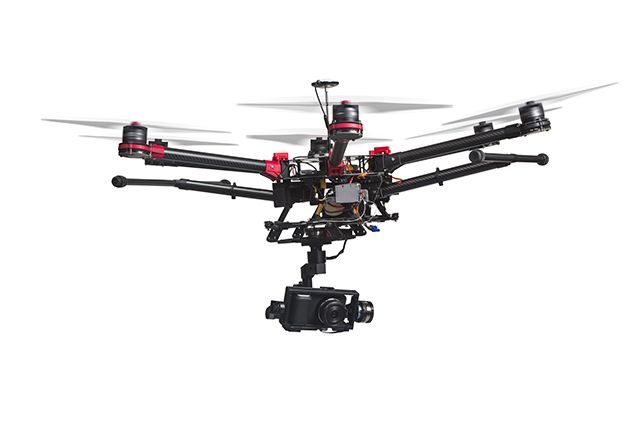
A decent amount of red tape comes with the adoption of drones in the workplace, so here is what construction owners and contractors can do to avoid putting their companies and crews at risk.
On Oct. 19, the U.S. Department of Labor’s Acting Deputy Assistant Secretary Thomas Galassi issued a memorandum on Interim Enforcement Guidance for the Respirable Crystalline Silica in Construction Standard.