Part II of this glossary of construction acronyms explains some of the most common acronyms used during project planning and development - IoT through WELL.
OSHA Extends Crane Operator Certification Requirement
Per a final rule published by OSHA late last fall, the deadline for employers to ensure that crane operators are certified has been delayed from Nov. 10, 2017, to Nov. 10, 2018.
Avoid Winter Office and Jobsite Safety Hazards
Winter conditions yield five areas contractors need to comply with to avoid any accidents or breaching fees.
Managing Construction Risks and Losses From Fire
To help reduce the likelihood of fire events, contractors can follow a number of best practices to safeguard construction sites against arson and catastrophic exposures.
A Look Back at Issues Facing Construction Risk Managers in 2017
As 2017 comes to a close, contractors faced new OSHA regulations, drug and opioid epidemics and new AIA contract documents. For 2018, expect a focus on workplace violence and ergonomic concerns.
Responding to Hurricanes and Other Natural Disasters
An effective response to a severe weather or other force majeure event begins well before the first meteorological warnings. The force majeure provision in the project contract may dictate a contractor’s or subcontractor’s rights to recovery.
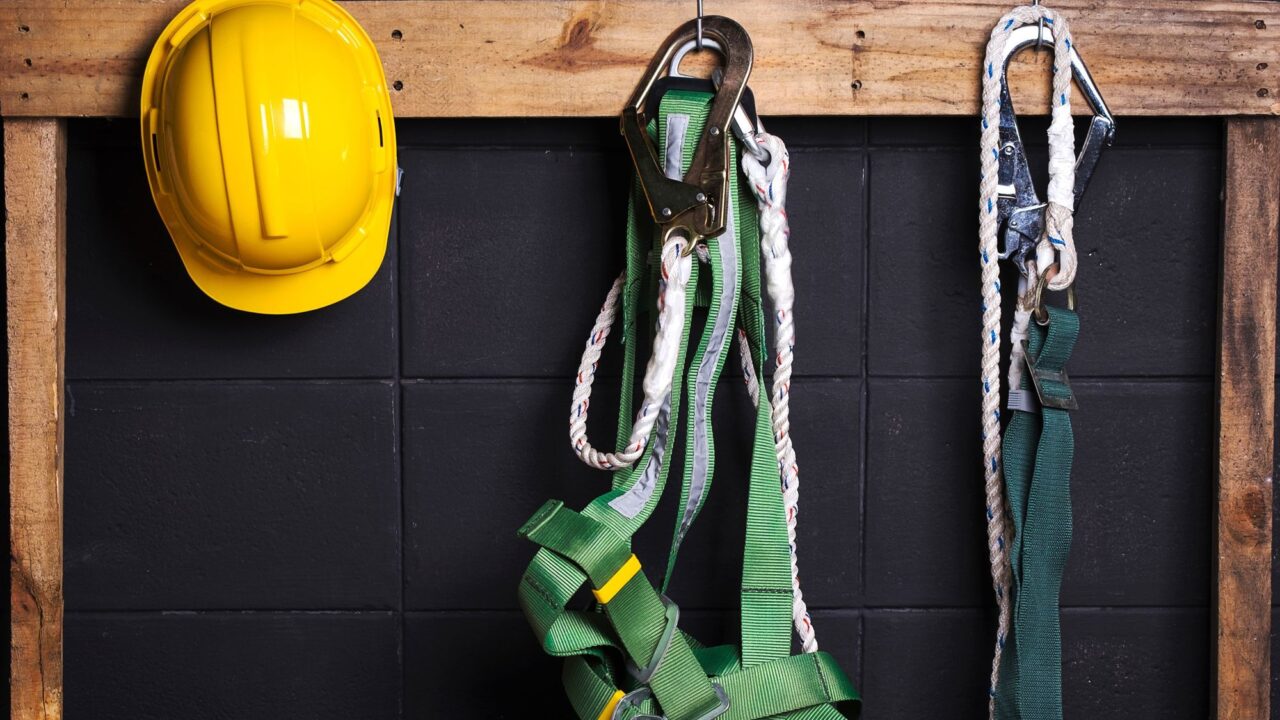
Fall Protection Failures Top OSHA’s List of 2017 Safety Violations
Fall protection (general requirements) was OSHA’s most frequently cited workplace safety violation this year, totaling 6,072, according to a preliminary report from the National Safety Council.
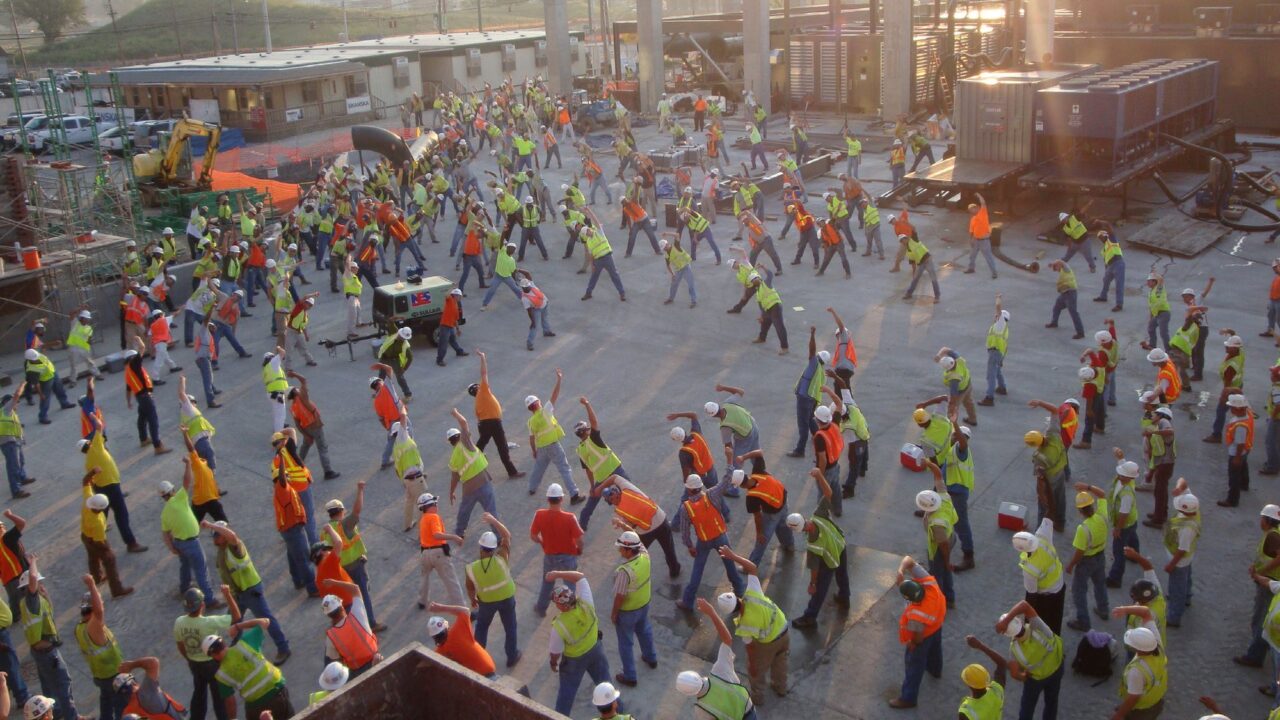
Improve Safety and the Bottom Line With Ergonomics
The financial threat of musculoskeletal disorders is real for construction companies and should be mitigated. Employers need to implement proper ergonomics to reduce the risk of injury.