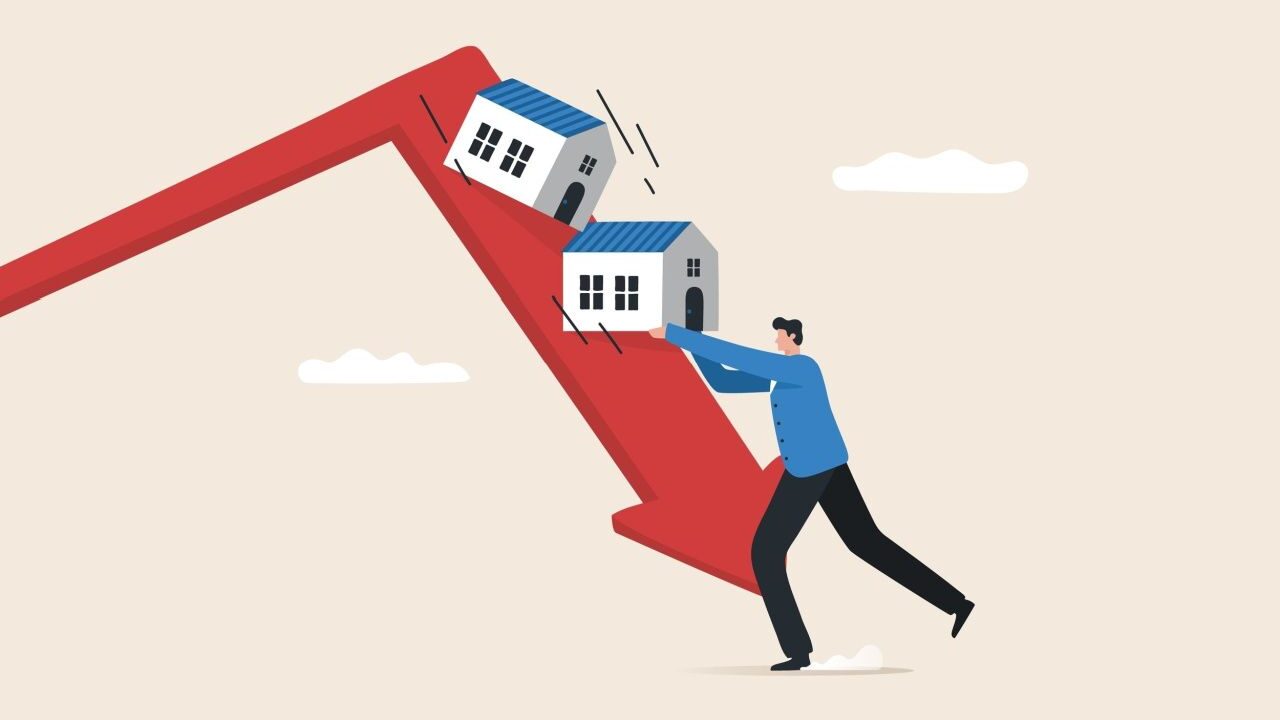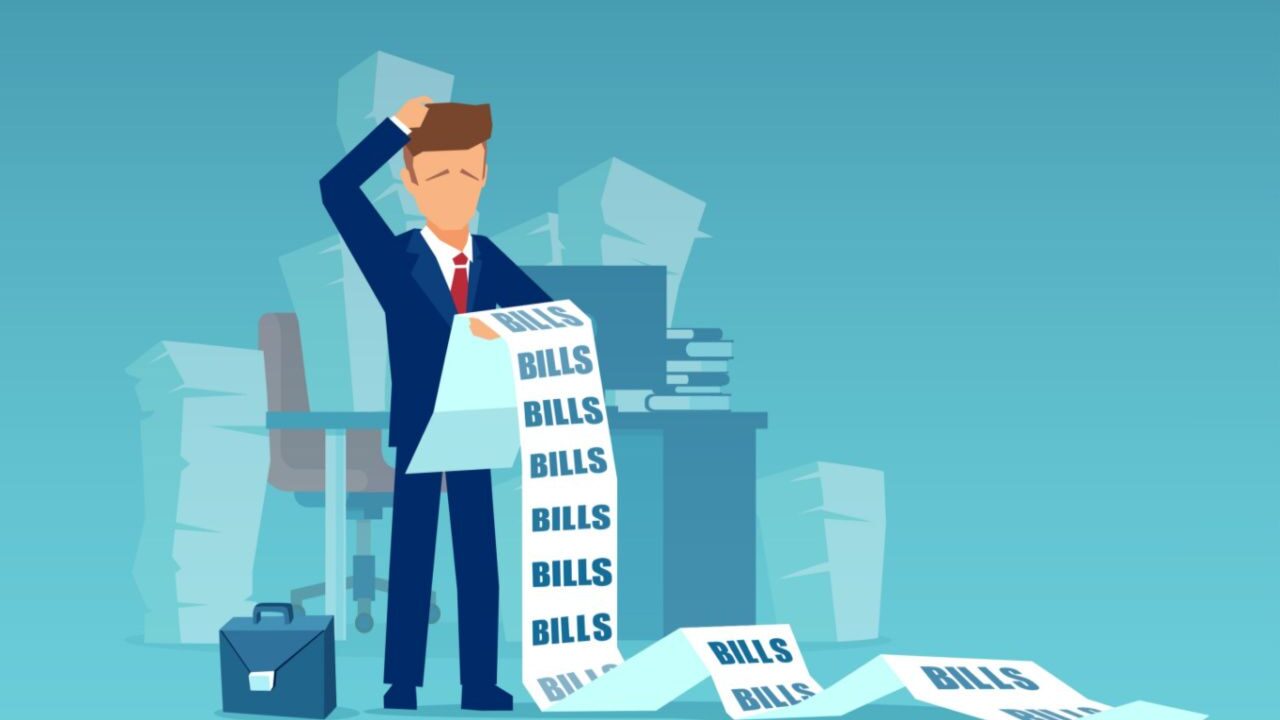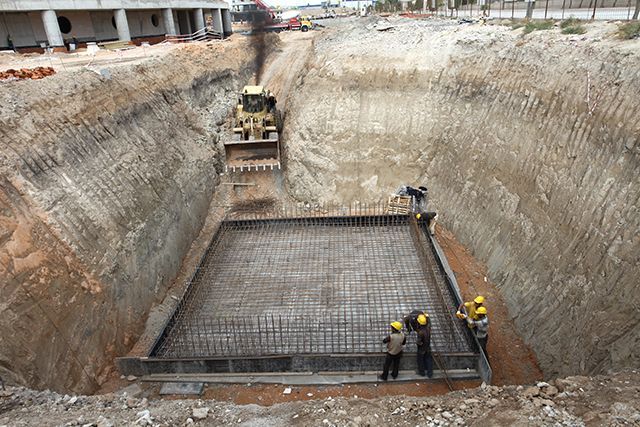
With more than 200 potential factors that can lead to contractor failure, and no single factor that signals potential failure, just why do contractors fail? It’s a combination of factors, including poor business practices, economic conditions, nature of the industry and mindset of the contractor that lead to financial loss that can spiral into bankruptcy.

What Is Builders’ Risk and Who and What Does It Protect on a Construction Project?
Builders’ risk insurance (BRI) is a type of property insurance that provides coverage during the construction phase of the project. When negotiating a construction contract, determine who pays for and procures BRI, who will be insured, what coverages will be provided and who is responsible for deductibles.
Top Five Reasons for Contractor Failure
Reasons for construction failure include poor leadership, management, performance, accounting and planning, which lead to loss of project control and discipline. Invest in systems that help plan and forecast finances, heed warning mechanisms, and have succession and continuity plans in place to help avoid failure.
No Industry Is Safe From the Threat of Cyber Fraud – Especially Construction
The construction industry has a large bulls-eye on its back when it comes to risk of cyber fraud. Just keeping up with new anti-virus software isn’t enough. Consistent training of employees and vendors on staying password protected and being suspicious of any email will make it harder for the hackers to break through the company system.
Are Certificates Listing a Construction Company as an Additional Insured Worth the Paper They’re Written on?
Owners and contractors shift risk by requiring contractors and subcontractors to name them as additional insureds (AI) on commercial general liability (CGL) policies. Savvy contractors know the best ways to effectively obtain and use AI coverage to shift risk, saving significant amounts in the event of litigation.
Pursuing Business With ‘Risky’ Accounts
Companies that are reluctant to extend credit due to a limited appetite for risk are likely evaluating the problem without considering the factors in their favor. The protections against nonpayment available to parties in the construction industry make the decision to pursue business with traditionally “risky” parties much easier.
How Will the New 2017 AIA Contract Documents Affect Projects?
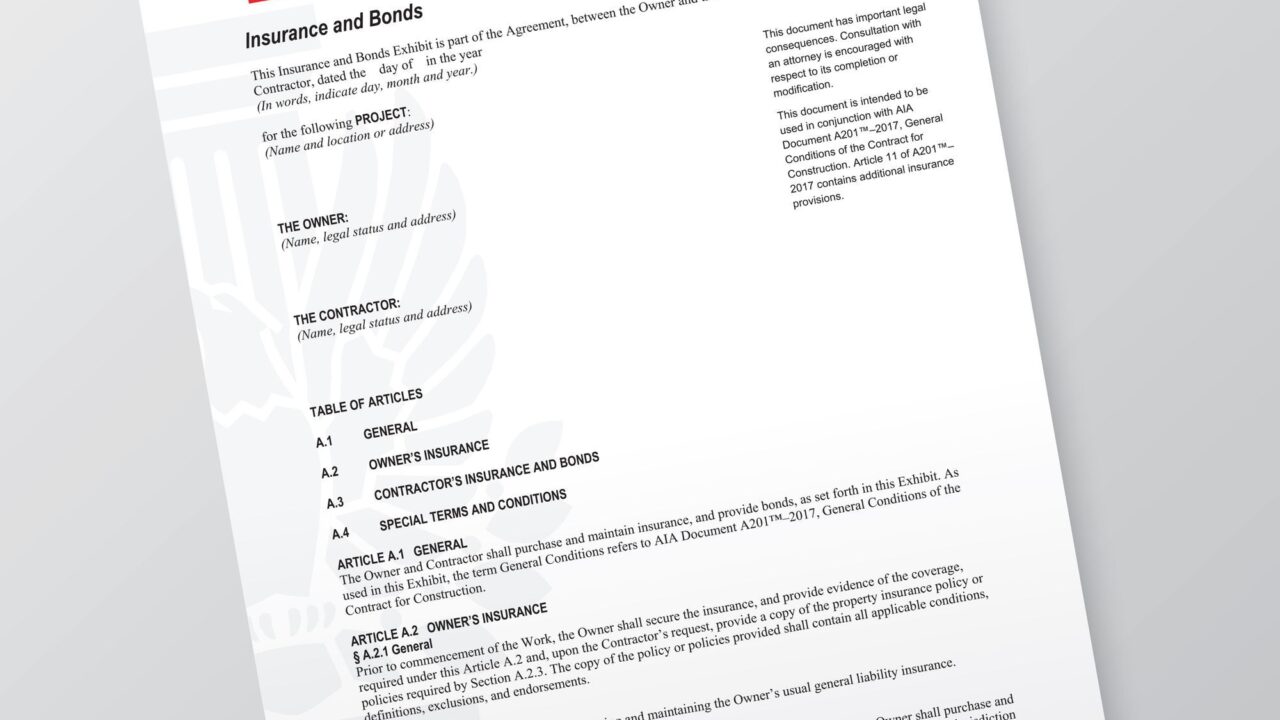
A significant 2017 revision to AIA’s A201 Family is the creation of an Insurance and Bonds Exhibit to accompany the owner-contractor agreements. There are also new provisions related to digital information and BIM. Key 2017 owner-contractor and owner-architect agreements require the use of AIA Document E203™–2013 to establish protocols for the development, use, transmission and exchange of digital data.
Contracting for Preventative Risk Management
By including proactive safety and risk mitigation stipulations and incorporating the expectation that the contractor will exceed minimum federal safety laws, contractors can minimize the risk of stop work orders, post-accident inspections, delays, negative press, property damage and other liabilities.