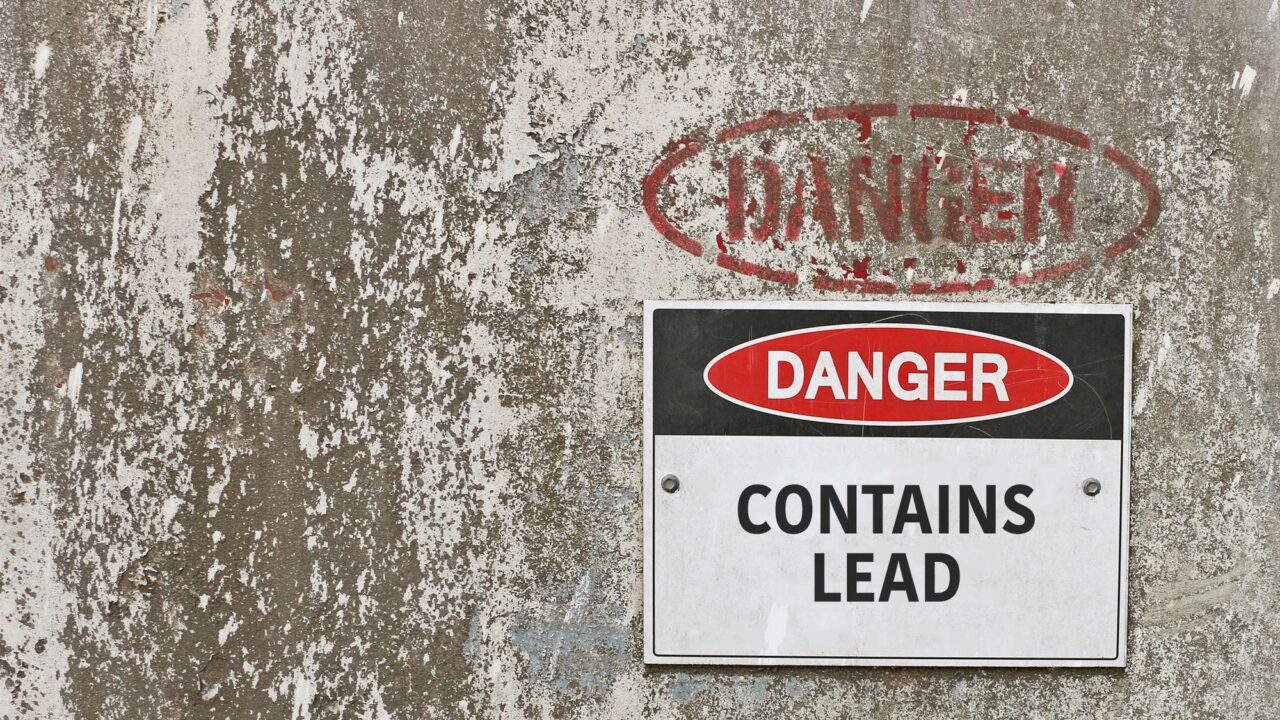
When older buildings are demolished, they may spread toxic contaminants, such as lead. Contractors should be aware of liability exposures and ways to minimize risk on demolition projects.
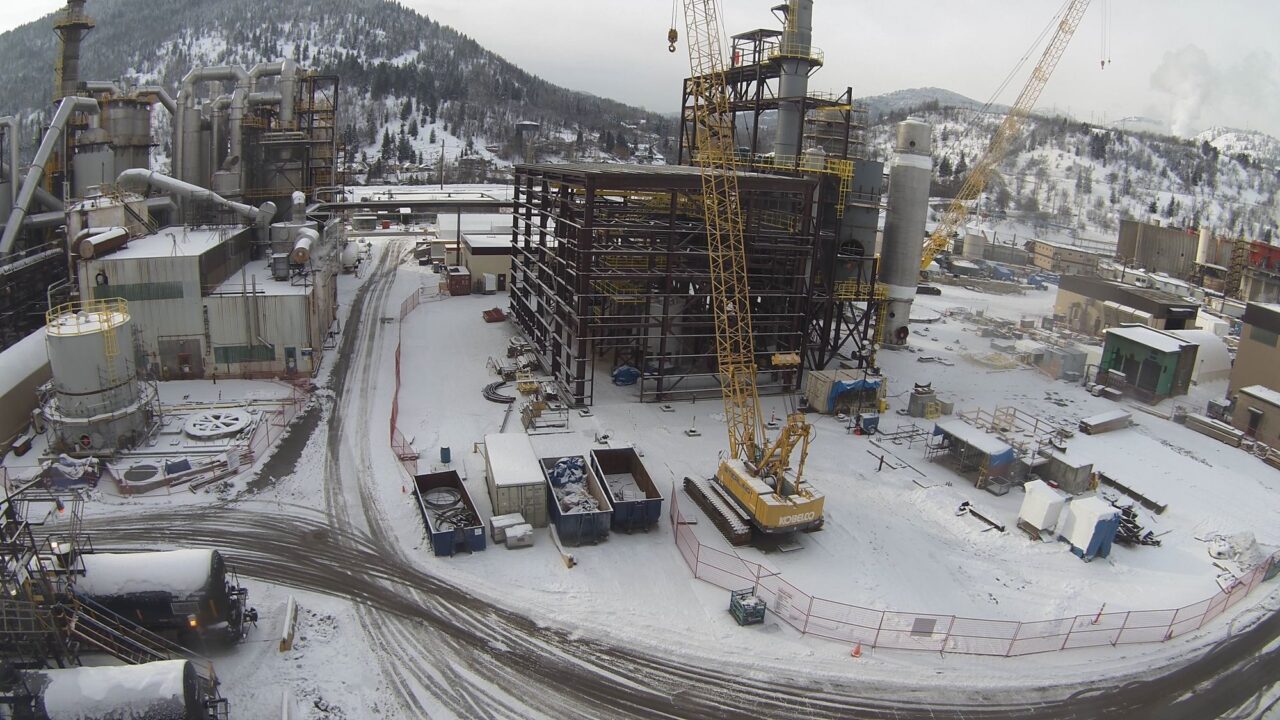
Construction Cameras Help Settle Disputes and Keep Winter Projects on Schedule
Keeping jobsite cameras on when the weather gets cold and progress slows can show weather impacts on a jobsite, confirm or refute claims of delays, deter or solve thefts and document workplace injuries.
The Elephant on the Jobsite: Getting Opioids Out of the Workplace
Opioids and prescription drug abuse are major problems in construction. There are options to attack it, including purposeful automation, appropriate testing and treatment programs.
Staying on the Safe Side
The new global standard for workplace safety from ISO is scheduled for publication in March. It includes a stringent development process that encapsulates best practice international standards, OHSAS 18001 and other national standards.
When It Comes to Mechanic’s Lien Claims, Pay Now or Pay Big Later
“You get what you pay for” is a popular warning sign suggesting that you cannot buy the quality needed without paying the price necessary to ensure top-notch service. Construction trade services should carefully heed this advice if they decide to engage a lay lien service to protect their mechanic’s lien and payment bond claims on a construction project.
Understanding Bonding Capacity in a Soft Market
Surety capacity is at an all-time high and underwriting remains relatively soft. Express, or credit score-based programs, are available for small bonds, but this is a good time to pursue traditional bonding capacity as well.
What 2017 Brought in P3 Legislation and What to Expect in 2018
In 2017, several states enacted P3 legislation that allows or expands the use of partnerships for public projects. That trend is likely to continue in 2018, along with requiring surety bonds in P3 contracts.
Impact of Experience Modification Ratings on Contractors
In some states, the holy grail of experience mods is 1.00 or less. If the mod is higher, talk to the insurance broker to identify factors other than losses that may be driving up the rate.