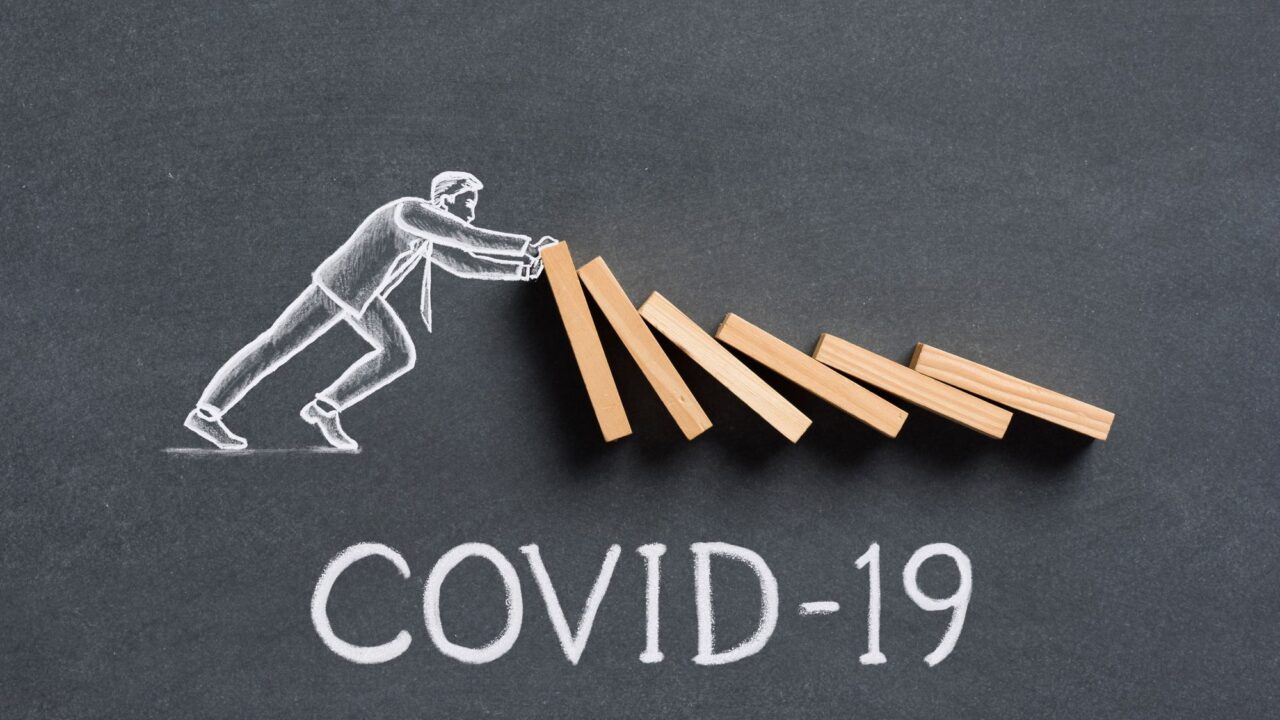
A surge of COVID-19 cases this fall may coincide with the start of flu season. Construction employers can take steps now to lessen the risk of employees contracting the seasonal flu and COVID-19.

Leveraging Risk Technology to Drive Construction Worksite Safety
Implementing a cloud-based risk management information system can streamline risk management decision-making and promote jobsite safety practices.
Best Practices for Avoiding Payment Disputes in Commercial Tenant Improvement Contracts
Following essential business practices when drafting commercial tenant improvement contracts can help contractors stay on schedule and manage the client’s expectations.
Five Trends Affecting Workers’ Compensation Claims
Workers’ compensation claims can be affected by several risk factors. Some of the most pertinent trends affecting workers’ compensation claims are outlined below.
Bonded and Insured: Are Both Needed? What’s the Difference? Why Does It Matter?
Surety bonds and insurance are forms of risk management meant to protect against financial loss. But what they cover and how claims are handled differ.
Business Interruption Insurance Amid COVID-19
Will business interruption coverage cover contractors’ potential financial losses and delays as a result of COVID-19? It’s complicated and there may be no clear answer yet as the situation evolves.
What Is Keyman Insurance—and Who Needs It?
If a partner, founder or key employee whom the success of the business depends upon dies, a keyman insurance policy can pay expenses until a proper replacement is found.
Uniformity in Florida’s Construction Bond Laws Brings About Fairness for the Industry
More consistency among Florida laws should benefit contractors, as well as lower-tiered subcontractors and suppliers.