As construction project owners, general contractors, subs and trades all focus on strengthening worksite safety practices, new and emerging risk information technology solutions can help reduce injury frequency and severity while facilitating safety enhancements that benefit all project participants.
Whether an individual project is structured for insurance purposes as a wrap-up (either owner- or contractor-controlled insurance program) or if all workers’ compensation, auto liability, general liability and other required insurance coverages are procured separately by individual project participants, the implementation of a cloud-based risk management information system (RMIS) by the project owner, manager or general contractor can help drive the adoption of sound safety practices by all project participants.
The International Risk Management Institute, Inc. defines a RMIS as “a very flexible computerized management information system that allows the manipulation of claims, loss control, and other types of data to assist in risk management decision-making.” There are several ways they are now being used to promote worksite safety.
Timely incident and near miss reporting
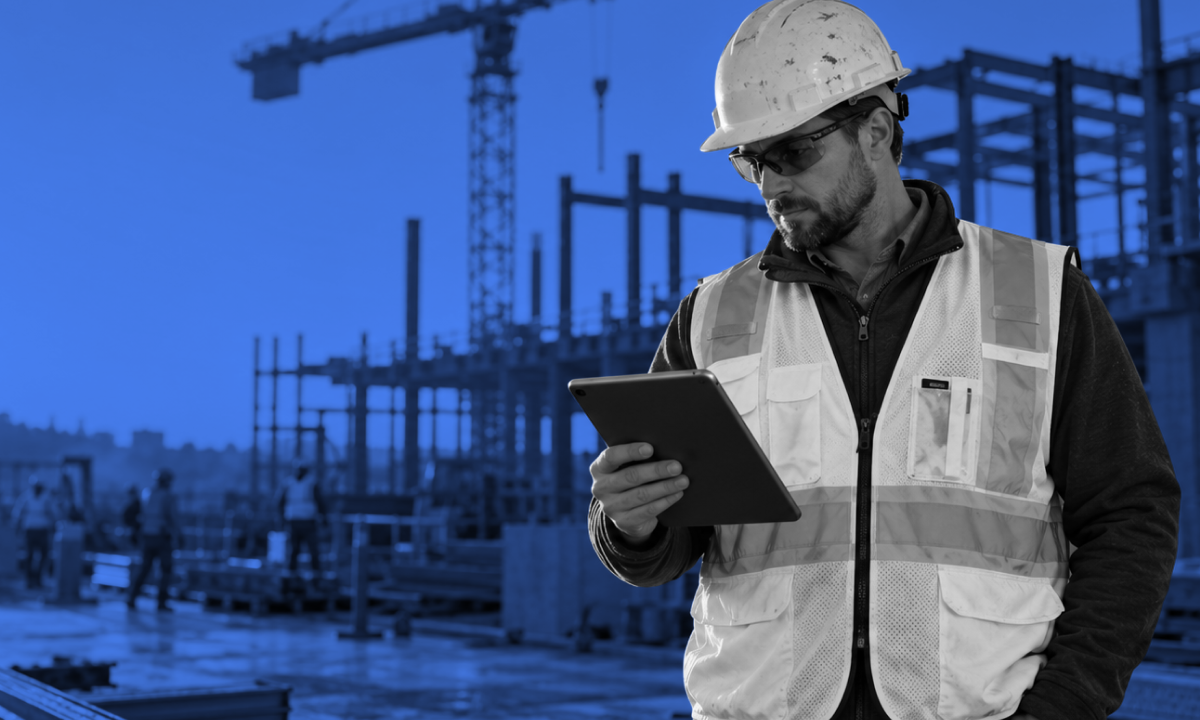
The ability of construction supervisors and designated jobsite safety personnel to report claims and incidents using mobile apps and readily accessible laptop or desktop user interfaces reduces or eliminates reporting delays, a major cost driver in workers’ compensation claims.
Many systems now offer pre-populated online forms with photo upload capabilities that speed completion of comprehensive incident and near-miss reports and help facilitate accelerated investigations to identify root causes.
Furthermore, prompt reporting is a critical first step of an effective claims management process that reduces the likelihood of litigation and also involves supporting and communicating with an injured worker, arranging appropriate treatment, recovery and return to work.
Real-time identification, assessment and reporting of potential hazards
The ability to develop online custom safety audits that can be sent instantly to thousands of field personnel helps flag potential safety issues and enhances accident prevention. Additional tools enable those responsible for corrective actions to track the progress of any required measures and quickly report status, completion and results up through the chain of command.
Ensure comprehensive jobsite safety compliance
Safety-specific monitoring tools available in many popular risk management information systems facilitate the tracking of contractor and trade compliance with safety protocols and training requirements. With respect to training, specific course requirements, due dates, status and verification of successful completion can be tracked continually over the course of a single project or multiple jobs. Additional features include warning flags as critical dates approach or any safety compliance benchmark isn’t met.
Leverage analytics and benchmarking to promote sub and trade safety best practices
Owners and general contractors can use risk management systems to accumulate and store loss information and safety performance analytics from different types of subs and trades at multiple jobsites. They can then share highly relevant aggregated data with individual subs and trades to enable them to benchmark their loss experience and safety measures against peer companies involved in similar projects. This can help drive the adoption of safety best practices and facilitate initiatives that encourage continuous safety improvement.
Maintain site-specific insurance policy, values collection and surety documentation
In addition to checking and making sure all property insurance-related asset values information is accurate and fully up-to-date, current RMIS applications for construction firms facilitate the maintenance of all site-specific insurance policy and policy program information. Policy expiration and renewal dates can be tracked to help ensure the interests of the project owners and general contractor are fully protected and that insurance and surety programs remain in-force.
Facilitate a collaborative safety process
The use of various technology-based tools and applications mentioned helps not only to keep all personnel at a jobsite informed of safety practices, but works to engage them more effectively. When workers and their supervisors have easy ways to report potential safety hazards and near misses, they’re more likely to do so on a timely basis. And when ownership, general contractors and those directly responsible for site safety then respond on a timely manner to address any potential issues identified, that builds confidence and reinforces safety. At the same time, the dissemination of benchmarking and safety analytics that are directly relevant to individual subs, trades and project types can help drive measurable gains in safety performance by all participants.
Adapt to evolving risk factors.
Many construction firms have had to adapt to changing work requirements brought about by the COVID-19 pandemic. Technology-based solutions can help facilitate compliance with any new standards, including tracking any extra protective devices that must be worn, monitoring the completion of any special training required and tracking exposure to individuals who become infected. The systems also help with the monitoring and implementation of any special risk management procedures that need to be followed in areas prone or vulnerable to hurricanes, earthquakes, floods, tornadoes, wildfires and other natural catastrophes.
While many risk management information systems include off-the-shelf solutions to facilitate incident reporting, insurance policy management, values collection and updates, among other useful capabilities, getting the most out of any technology requires working closely with the solution provider. Explain company objectives and describe exactly what needs to be accomplished. Then, collaborate with their developers on any system enhancements and modifications that meet the requirements.
The solution provider can help refine existing functionality or even develop new tools that specifically meet the unique requirements of the firm, as well as accommodate different types of construction projects and address the structure of relationships with various subs, trades and other project participants. They may also be able to support any system-related training requirements for safety leaders as well as managers, supervisors and other key contacts at all participating subs and trades at the worksite.