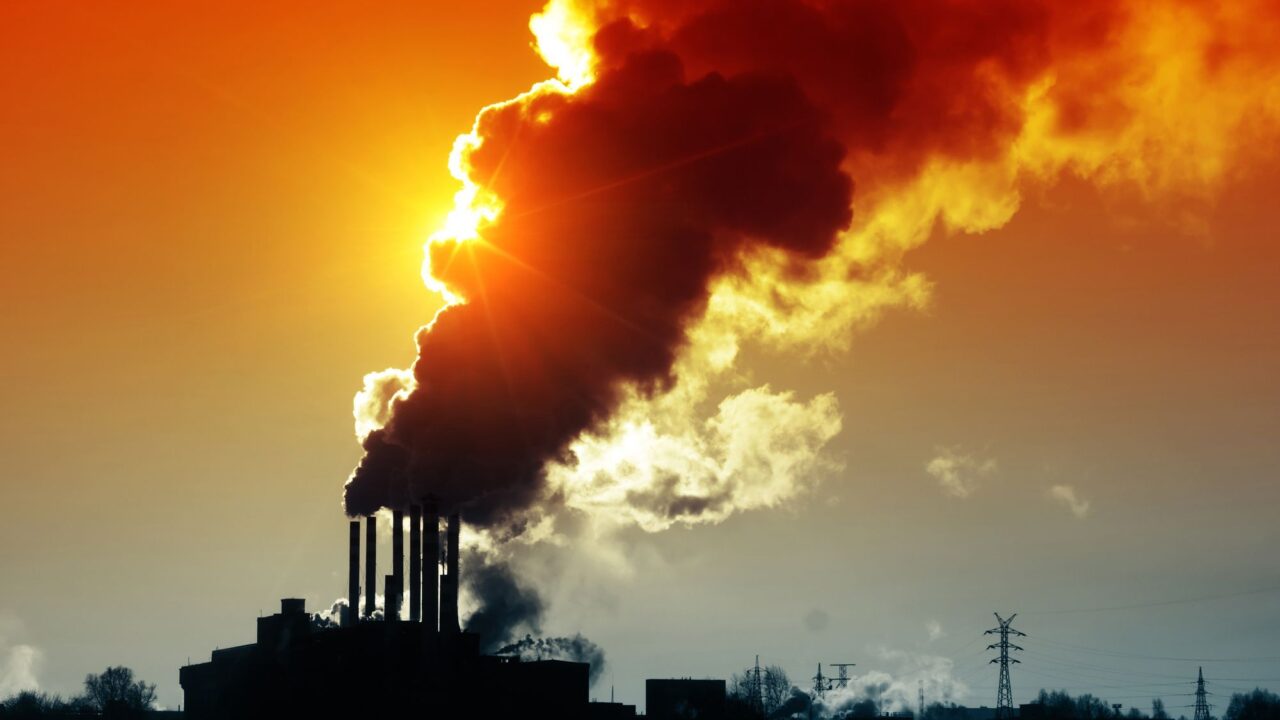
Risks associated with environmental pollution are often addressed too late, leaving contractors to rely on insurance policies that may be vague in coverage or exclude pollution incidents altogether.

How Accurately Monitoring the Weather Can Save Significant Revenue
Understanding the impact of upcoming weather at a hyperlocal level is critical for contractors. Knowing ahead of time how, when and where to schedule jobs and crews at the beginning of each day and week puts contractors in the best possible position for success.
Crash the Company Car?
Companies are usually responsible for employee actions while on the clock, so if an employee has an accident with a company vehicle, minimize the risk with five steps.
Natural Disasters Don’t Have to Be the End for Construction Projects
Contractors must be sure contracts and insurance policies cover severe weather events and understand their rights and responsibilities so if disaster strikes, they can get the project back on track.
Now Is the Time to Master These Construction Fundamentals
Now is the time for contractors to take a look as licensing, insurance, contracts, credentials, training and processes to prepare for what comes next and what will sustain them for the future.
Asking the Right Legal Questions to Prepare for COVID-19 Claims
While companies identify means of recovering losses and preparing for litigation or insurance claims that may arise from COVID-19, it helps to know what questions to ask legal representation or insurance providers.
Construction Wrap-Up Insurance Programs: Erecting a Solid Foundation, Part II
Owner-controlled insurance programs and contractor-controlled insurance programs, or “wrap-ups,” provide insurance coverage for owners, general contractors and subcontractors. Before considering a wrap-up, understand how they work and their coverages.
The Construction Surety Industry: Looking Ahead
According to data published by Aon Insurance, surety division, total construction industry surety losses in 2019 were fairly favorable at fewer than 20%. Initially, this trend was expected to continue into 2020, subject to any financial issues related to megaprojects currently in place. But the impact of COVID-19 has increased surety exposure to a much higher level, similar to other credit programs.