Faulty workmanship coverage may address “your work” exposure in contractors professional liability policies and protect against claims by project owners—but exclusions and strict conditions apply.
How Contractors Can Manage Runaway Insurance Costs
Using data, tech and selecting best-in-class partners, contractors can keep insurance costs down and focus on excelling in their core business.
Be a Good Neighbor: How Contractors Can Protect Themselves From Third-Party Claims
Developers can protect themselves from claims for third-party damage through license agreements, intensive construction site monitoring and appropriate insurance products. These prevent costly and debilitating delays, and help maintain positive relationships with neighbors.
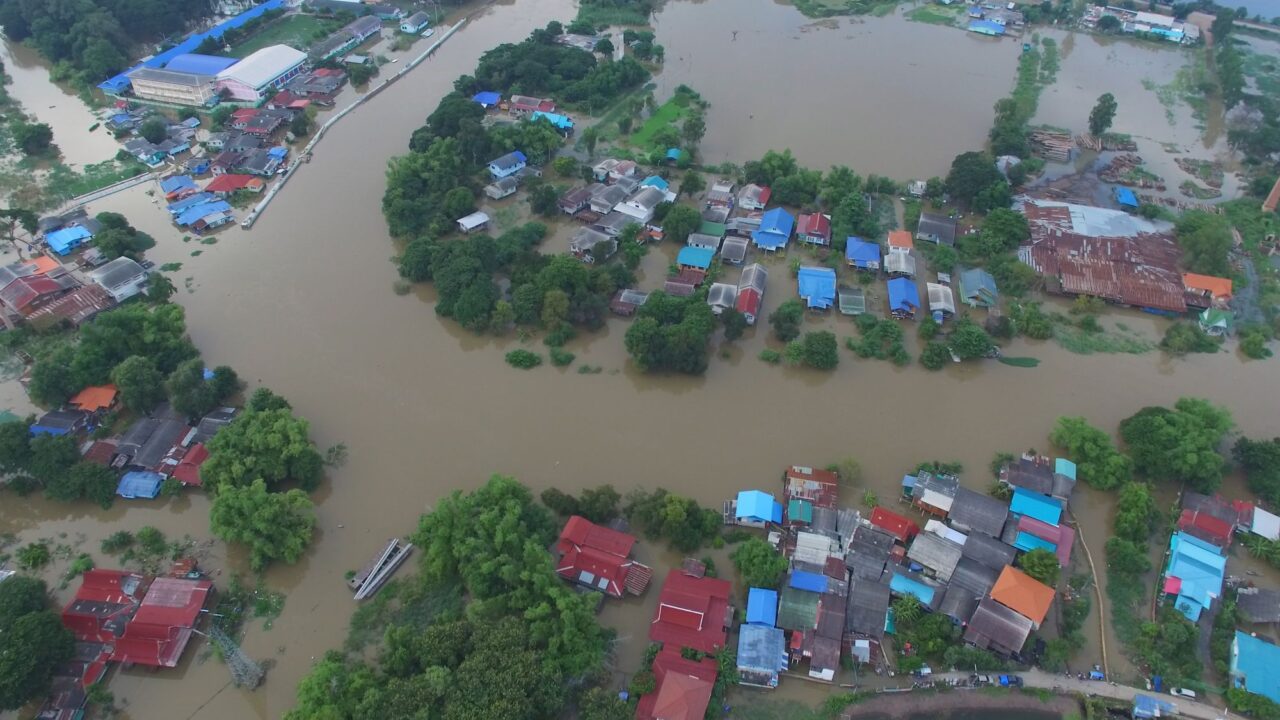
Natural Disasters’ Impact on Construction in the United States
As the frequency and severity of natural disasters increases, contractors should implement guidelines that anticipate disasters, review the impact of a disaster as it is happening, and develop a mitigation plan to limit losses.
Business Interruption Policies: Are COVID-19 Losses Covered?
Business interruption coverage provides coverage for loss of income or covered expenses. While in most cases, BI has not covered COVID-19 losses, there are glimmers of hope.
Beyond General Liability Insurance: Other Liability Exposures to Be Aware Of
While most contractors carry commercial general liability insurance, there are other liability exposures that construction companies should evaluate and consider.
Be a Good Neighbor: Techniques to Mitigate the Risk of Claims From Adjacent Landowners
Contractors can avoid legal claims using risk mitigation tools such as postconstruction assessments and monitoring during construction.
Field Decisions Gone Wrong: The Importance of Rectification Coverage
Rectification, or loss mitigation, generally pays the cost to mitigate and rectify failures caused by negligent professional services before a claim can be made against the contractor.