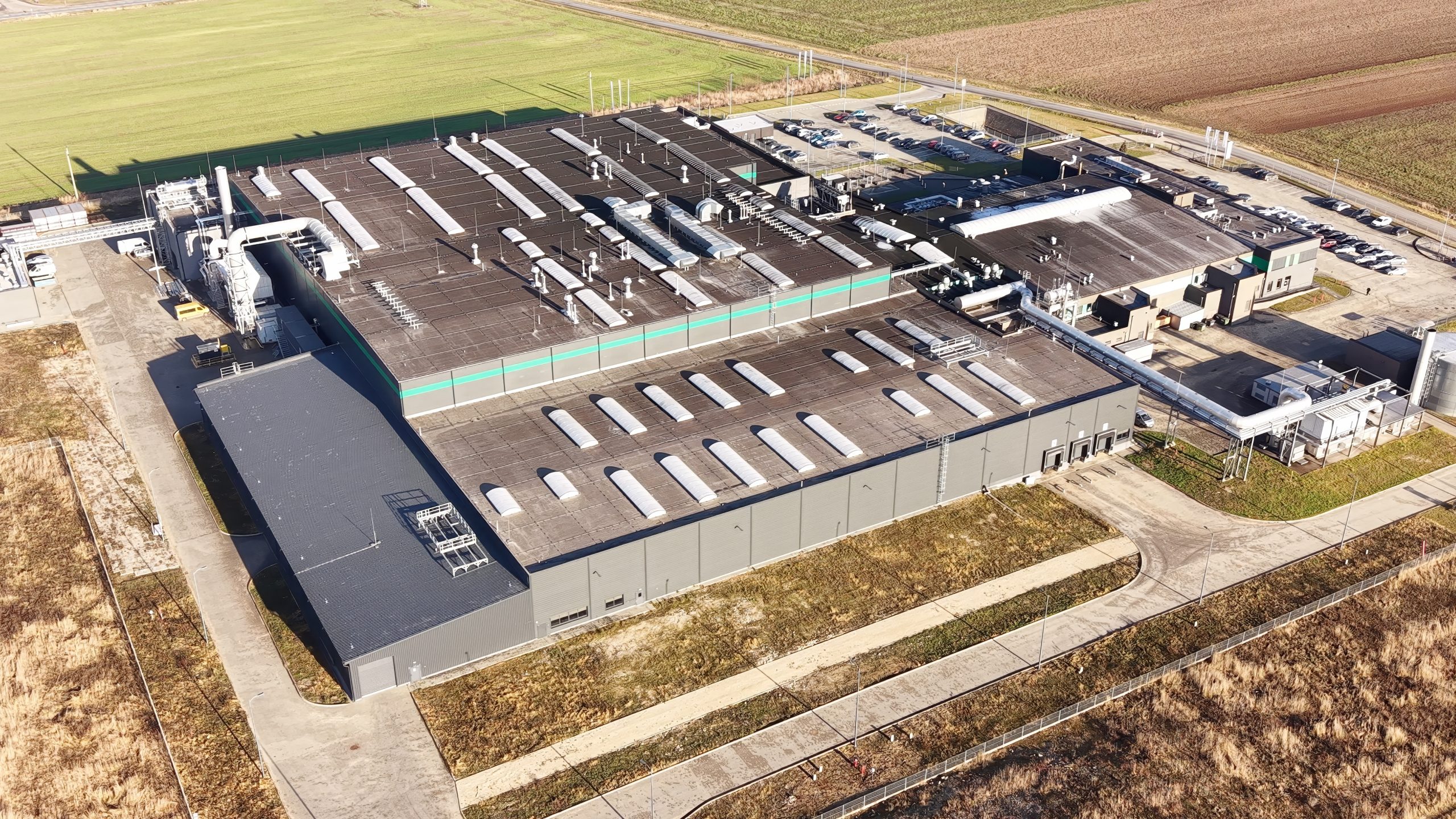
The rapid advance of artificial intelligence is reshaping the technological landscape and with it, driving unprecedented growth in data center development and investment. The United States currently leads the world in data center development, exceeding over 5,000 facilities nationwide supporting cloud computing, artificial intelligence, social media, streaming services and enterprise operations.
The surge in data center development has introduced unique insurance challenges. Therefore, it is increasingly important for policyholders to scrutinize their policies to ensure that new and elevated risks associated with data center projects are covered.
Builder’s Risk Coverage: Protecting the Project
Data Centers Are Unique Construction Risks
Builder’s risk insurance protects against physical loss or damage to property during the construction process. This includes loss or damage to the structure itself, as well as materials, equipment and machinery used in construction.
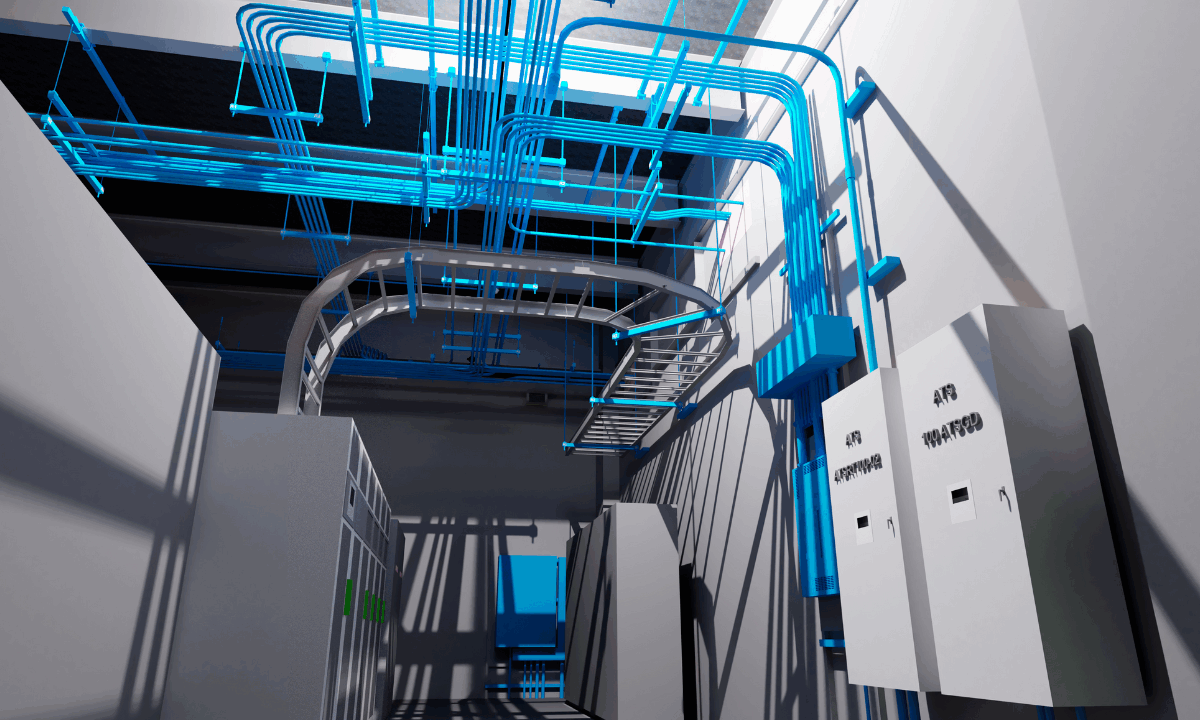
Builder’s risk insurance is crucial for data centers, where construction is particularly complex and involves integrating highly specialized systems—such as advanced computer infrastructure and sensitive electronic components—that are especially susceptible to risks such as fires, water damage and other losses arising from the failure of climate control systems during the construction process. Note that standard builder’s risk insurance may sublimit coverage for certain high-value equipment.
Geographic location may also amplify these risks. Many data centers are built in regions prone to natural disasters because of logistical or strategic advantages—e.g., in wide open spaces close to major urban centers. In addition to causing physical loss or damage, these events can cause significant project delays. In any event, traditional builder’s risk policies tend to exclude coverage for extreme weather-related delays.
Insurance Companies Are Working to Bridge the Gap
The construction boom in data centers has amplified project risks and made comprehensive builder’s risk insurance critical. But standard policies create problems. As noted above, they leave meaningful coverage gaps for data center construction, as explained above.
In response to these shortcomings, insurance companies have begun developing specialized insurance products. For example, Zurich North America, among others, has launched Data Center Project Guard, a tailored version of their builder’s risk insurance intended to bridge the gap between traditional builders risk insurance and the realities of data center construction projects. The product expands coverage by dedicating limits for climate control system failure, extending protection for losses at a supplier’s location, during transit or at offsite locations, and offering operational property coverage to mitigate coverage gaps that may arise during phased handovers. It also includes limited coverage for project delays associated with extreme weather events, even in the absence of physical damage.
As the insurance industry adapts to the data center construction boom, similar specialized insurance products are likely to enter the market. Meanwhile, data center owners and operators should review their traditional policies and ensure they address their unique risk exposures.
Liability Insurance: Protecting Against Third-Party Claims
Commercial General Liability
Data center construction and operations can bring a unique set of environmental and safety concerns to surrounding communities and ecosystems, all of which highlight potential liability risks faced by data centers. For instance, data centers consume a substantial amount of energy, and as more facilities are constructed, the strain on local power grids will intensify, impacting energy availability and costs.
Additionally, data centers are heavily reliant on water to cool servers from overheating, which can exacerbate the water crisis in regions suffering from climate-related shortages. Operations and construction also contribute to noise, emissions and water temperature pollution. Those living in communities near large data centers have reported health concerns linked to the unceasing background noise and toxic fumes. Commercial general liability policies, which provide coverage for claims alleging “bodily injury” or “property damage,” may provide protection for future lawsuits alleging harm due to these hazards.
Professional Liability: Errors and Omissions
Errors and omissions coverage insures professionals—usually consultants—for any mistakes, negligence or failures made in the course of providing a professional service. Coverage extends to data centers functioning in a service provider capacity, including facilities offering data storage solutions or maintaining server environments critical to customer operations. To the extent developers or operators involve engineering or design consultants in the construction and development stage, it is important to verify E&O coverage is in place, and to review and negotiate “additional insured” provisions in those policies.
Property and Business Interruption Insurance: Protecting Operations
Property insurance policies protect against physical loss or damage to the insured property and assets after construction is complete. This coverage is especially important considering the unique systems and equipment housed within data center facilities.
A defining feature of data centers is the massive amount of digital data stored on physical hardware within the physical structure, and coverage for that kind of data may or may not be provided, depending on the policy’s language. Thus, policyholders should examine their policies to ensure there are no gaps in coverage and, where necessary, seek endorsements or supplemental coverage to ensure data-related losses and other properties and components are adequately insured.
Commercial property policies commonly include business interruption coverage, which allows policyholders to recover loss of business income and increased operating expenses that resulted from a covered physical loss to the property. This type of coverage is particularly important for data centers, which depend on continuous twenty-four hour access to power and electricity and, therefore, face greater risk of losses stemming from power outages and other system failures. Thus, when a data center is forced to suspend operations due to a power or system interruption, business interruption may provide coverage for lost revenue and other expenses. Because the scope of coverage may vary depending on the terms of the policy, policyholders should pay careful attention to such terms to ensure it provides meaningful coverage for service interruption losses.
Cyber Insurance Coverage: Protecting Your Data
Data centers are beginning to become a target for bad actors because of the financial consequences if there is a disruption in service. Data centers naturally face significant cyber risks, such as data breaches, ransomware attacks, computer system failures, data privacy liabilities and potential third-party liability to clients, customers and shareholders. Therefore, data center owners and operators should therefore consider purchasing cyber insurance and should closely review the terms of their cyber policy to ensure appropriate coverage and negotiate coverage accordingly.
Cyber policies typically cover the policyholder’s own business interruption, but data center operators must ensure coverage extends to:
- Revenue losses from service level agreement credits and penalties owed to customers
- Costs to restore operations following ransomware attacks or system failures
- Expenses for crisis management and forensic investigation
- Hardware replacement costs when cyber incidents cause physical damage to servers or infrastructure
Data center owners and contractors must review their insurance programs to make sure there is coverage for the above-referenced damages stemming from cybercrime.
Tariffs and Data Centers
For more than a year, global markets have been buffeted by the current administration’s on-again off-again tariffs targeting countries around the world. Most recently, after the US Supreme Court struck down the tariffs imposed under the International Emergency Economic Powers Act (IEEPA) on February 20, the administration imposed a 10% tariff on almost all imports under Section 122 of the Trade Act of 1974. While these tariffs were also ruled illegal by the U.S. Court of International Trade in May, they remain in effect while the case is appealed and will be collected through July 24. Looking ahead, the United States Trade Representative (USTR) has proposed new 10-12.5% tariffs on imports from 60 countries alleged to fail to enforce a prohibition on forced labor under the authority of Section 301 of the Tariff Act of 1974.
Tariffs, needless to say, can cause delays and create supply shortages. To prepare, contractors and subcontractors should draft their contracts with a specific eye towards the consequences of these unpredictable, ever-shifting tariffs. Owners and general contractors should consider subcontractor default insurance. Due to the higher tariffs, subcontractors may not be able to obtain the materials necessary to complete projects. This may lead to subcontractors walking off the project, leading to significant critical path delays. While subcontractor default insurance will not save the project from experiencing delays, it will help owners and general contractors recoup some of the resulting financial losses.
As of today, the tariffs are no longer going into effect, but this can change at a moment’s notice, so prudent drafters must keep these drafting points in mind.
Political Risk Insurance
Escalating governmental intervention in data center material procurement creates exposure requiring political risk insurance mitigation. PRI coverage addresses financial losses arising from political events or sovereign actions. Renewable energy projects have established precedent for PRI deployment in jurisdictions presenting political or economic instability. Marsh’s April 2024 placement exemplifies this approach: A $36-million policy covering a Mali-based renewable facility servicing lithium extraction operations, with protection extending to both asset damage and governmental interference.
The development and investment in data centers will only accelerate, especially given efforts by the federal government to facilitate the development of these projects. The insurance industry seems to be adapting accordingly, but in the meantime, policyholders should carefully review their policies to ensure that they have comprehensive coverage for these projects.
SEE ALSO: FOUR WAYS BUILDERS RISK COVERAGE IS RESHAPING CONSTRUCTION RISK MANAGEMENT