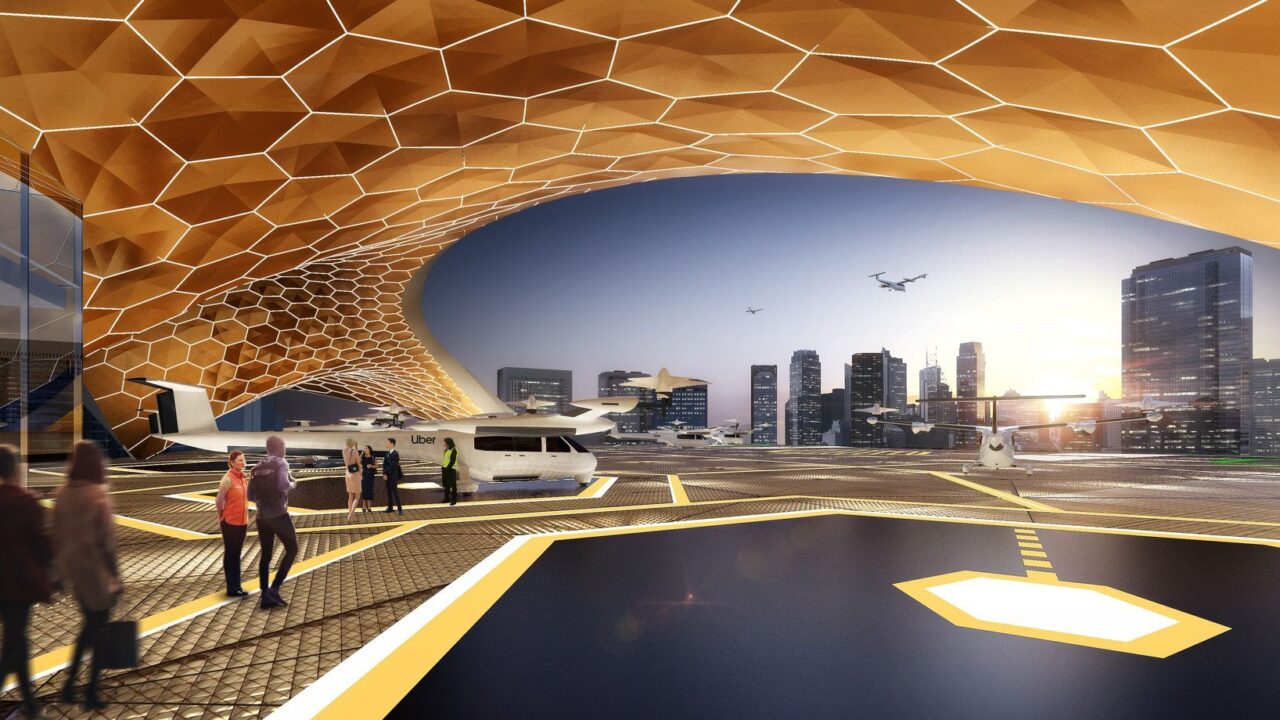
Uber’s proposed aerial ridesharing terminals, or skyports, for launching and landing aircraft for the company’s app-based aerial taxi service will turn what was once science fiction into reality.
The building and construction industry is a significant consumer of non-renewable energy resources and is contributing to changing the earth’s environment in damaging and irreversible ways.
Today’s manufacturing intelligence is different than it was even few years ago. With the rapid growth and technological advancements of the Internet of Things, Industrial Internet of Things (IIoT), Industry 4.0, the Connected Enterprise, etc. – where should a company start?
With digital transformation, contractors can bring a new business model to market: “construction-as-a-service.” CAAS leverages standardization to automate manual operations, improving labor productivity and reducing costs.
Last year, Shapiro & Duncan switched its fabrication shop from coal-fired power to sun power, saving more than 275,000 pounds of carbon dioxide emissions—the equivalent of planting more than 7,500 trees.
An element of sustainable design, fired-clay brick can provide structure, finish, acoustic and thermal comfort, good indoor air quality, fire resistance, impact resistance and durability.
Although recent numbers seem to project a slowing of the economy, manufacturers are optimistic about the coming months due to recently enacted policies that have helped keep the costs of companies doing business—and the prices of consumer goods—low.
Construction Executive’s premier weekly newsletter, CE This Week, brings you topical, relevant content on business, technology, safety, risk and other areas of importance for construction professionals.