U.S. domestic manufacturing made a massive comeback, according to a January 2019 Federal Reserve report. As of December 2018, the report showed U.S. manufacturing output was the highest it’s been in 10 months. In years prior, the manufacturing output of consumer and commercial goods totaled around $6 trillion, but many industry analysts cite the 2018 tax cuts for the recent surge in industry output.
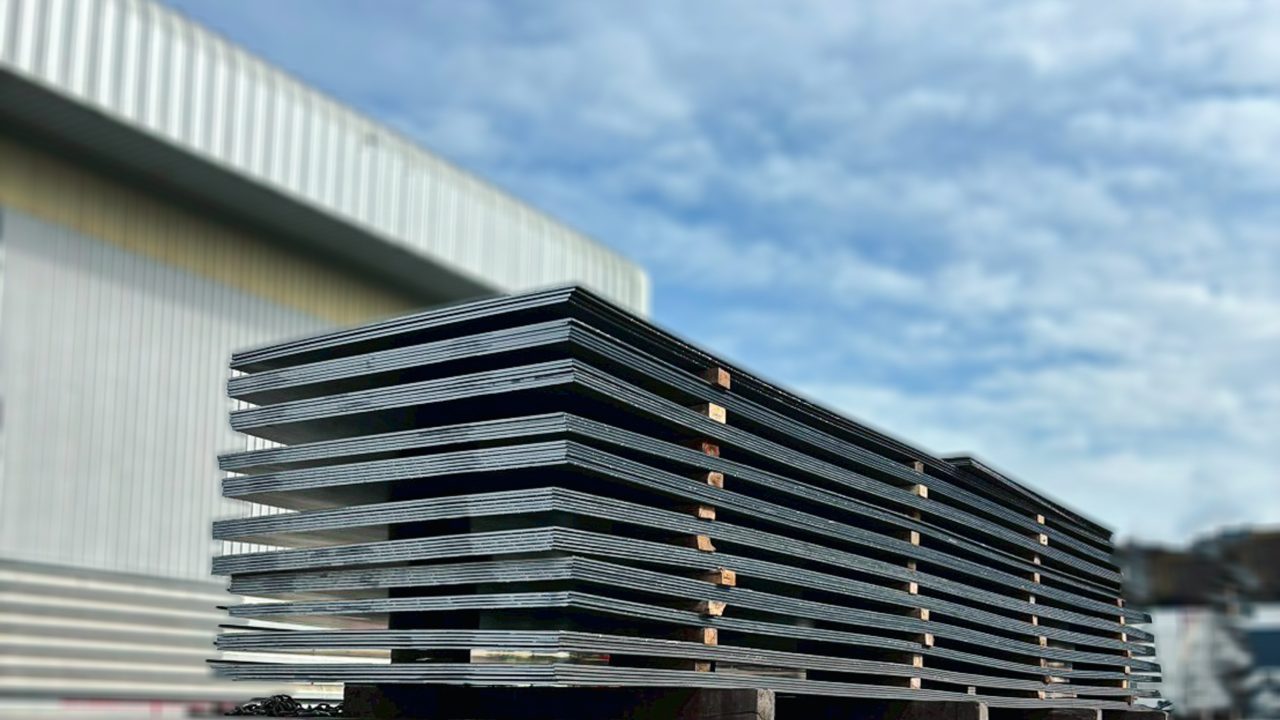
Accounting for an estimated 12% of the U.S. economy, commercial and retail manufacturing is a key link in the supply chain. Specifically, the recent recovery in the steel industry will play a significant role in the U.S. economy over the next several years. It’s worth noting that although the recent production race to establish future capacity may have inadvertently created an upcoming steel glut, industry analysts expect that the long-term benefits outweigh the short-term negative impact and will ultimately create a leaner, more-streamlined U.S. steel industry.
This steel surge is a small part of a larger revival of America’s manufacturing, construction and trucking industries. Its use and the synergy between the three industries is essential for cost effective and efficient construction. This is especially true in cities like Nashville and in states like Rhode Island, where the skylines are silhouetted by cranes as development projects continue to boom.
Steel will also play a vital role in the improvement of the nation’s infrastructure and, more specifically, its roads. Consider that the trucking industry loses an estimated $50 billion a year sitting in traffic due to poor road conditions across the country. Once much-needed infrastructure revitalization legislation passes, highway improvements requiring massive quantities of rebar will not only bolster the steel industry but will also improve efficiency in the delivery of construction and manufacturing goods.
The recent manufacturing surge has continued to boost overall demand for freight hauling tonnage. As drivers of the economy, flatbed and specialized transportation moves U.S. infrastructure-focused materials that support the entire economy, directly and indirectly. The importance of improving U.S. infrastructure should not be understated, as delays can create additional costs and inefficiencies for manufacturing, construction and especially the trucking industry.
Additionally, the substantial growth of all three industries has left a high demand for skilled workers; requiring additional hiring strategies be put in place. The increased need for workers highlights the importance of blue-collar jobs, as these industries will continue to hire and maintain employees in support of sustainable economic growth.
When it comes to employment opportunities in the trucking industry, which had a 6.6% increase in tonnage transported, ensuring job positions are filled with highly qualified and skilled drivers is essential. The introduction of competitive pay incentives and new pay models over the past few years is one way the industry has attracted prospective drivers. But changes to the regulation of hiring in the trucking industry are crucial to ensure safe and timely delivery of domestic goods and construction materials.
Overall, the recent surge in domestic manufacturing has greatly benefited the U.S. supply chain. Although recent numbers seem to project a slowing of the economy, manufacturing companies seem to have an optimistic outlook for the coming months due to recently enacted policies that have helped keep the costs of companies doing business, and the prices of consumer goods, low.
The current fast-paced changes in economic policies highlight the importance of industries structuring their businesses to be as efficient as possible. Regardless of market conditions, trucking industry leaders are committed to transporting their clients’ products as efficiently and effectively as possible. Last year was a record year for the trucking industry, representing 70% of tonnage transported across the U.S. As major carriers of construction equipment, raw commercial glass and manufactured goods, it is a safe assumption that if the nation’s trucks keep moving, America will continue growing.