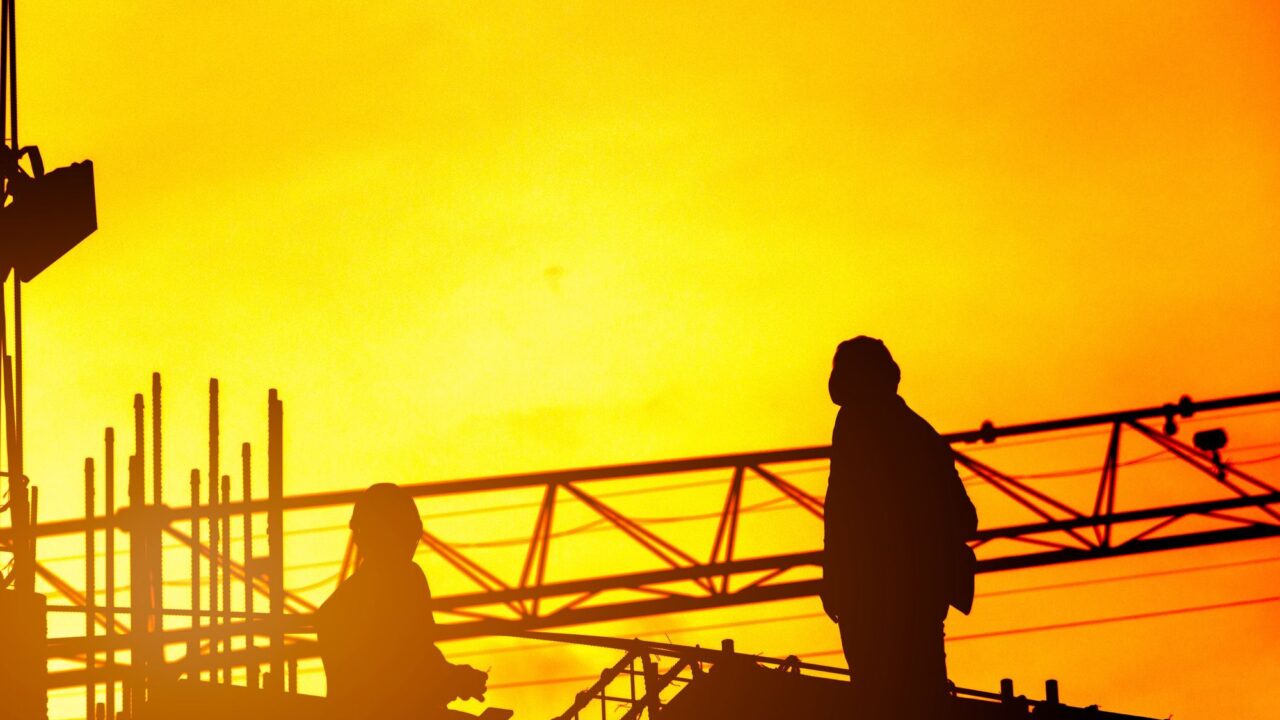
The building and construction industry is a significant consumer of non-renewable energy resources and is contributing to changing the earth’s environment in damaging and irreversible ways.
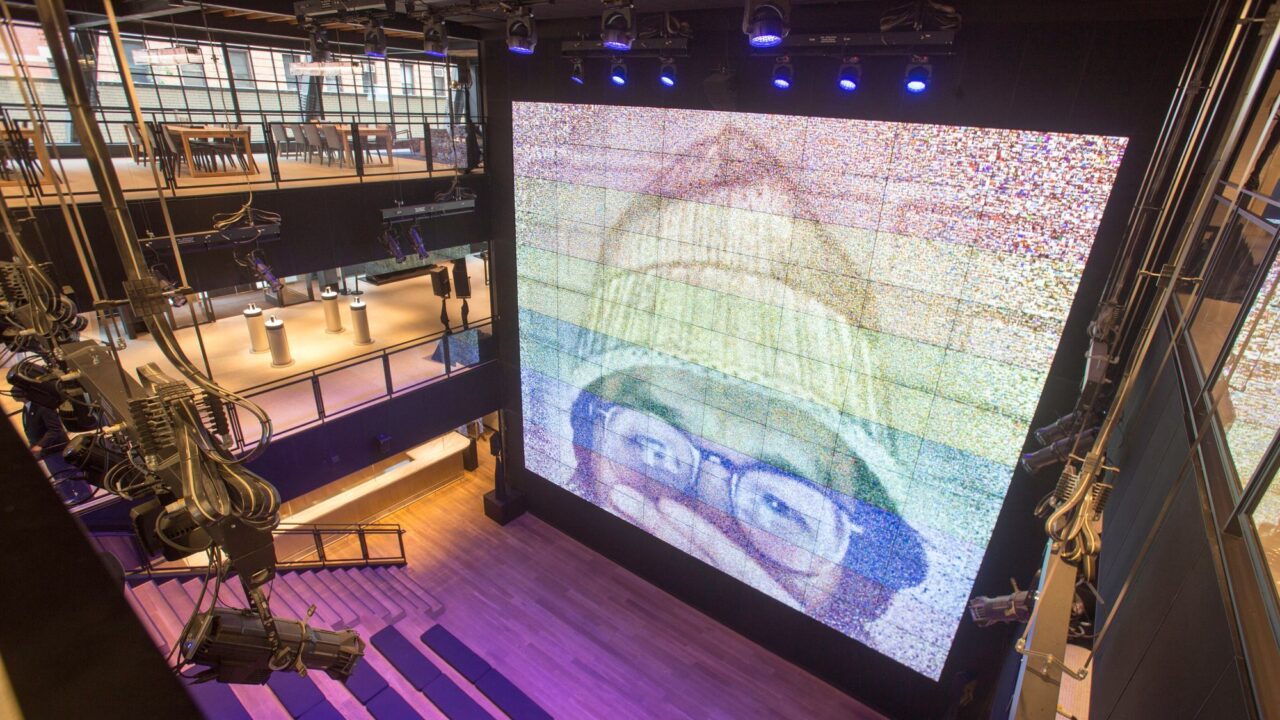
Repositioning the Retail Market
The retail market has evolved from traditional storefronts and chain rollouts to an e-commerce only model, where retailers can serve customers without a brick and mortar base. Another 75,000 stores selling clothes, furniture and electronics are expected to close in the next seven years.
Propane-Fueled Tankless Water Heating Systems Provide Reliability and Energy Efficiency
Water heating continues to be a major energy consumer in commercial buildings, and as building owners and operators look for the best solution, propane systems can be an answer, whether they are seeking increased energy efficiency, better performance or a more environmentally friendly water heater.
May Construction Starts Advance 10%
Nonbuilding construction and nonresidential building rebound after a weak April.
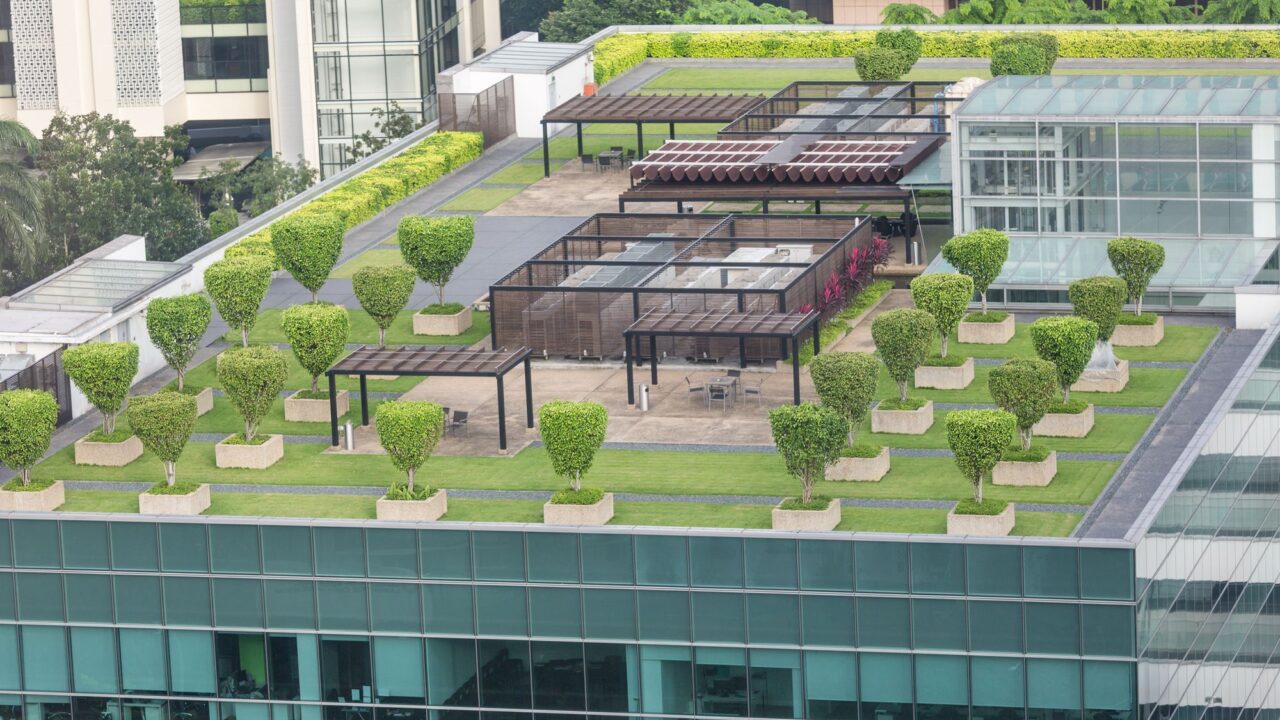
Green Roofs Offer Significant Benefits in Urban Storm Water Mitigation
Green roofs are an effective approach to managing storm water runoff from rooftops. As a result, they are growing in use in urban areas where space constraints limit the use of other storm water management practices.
Zero Energy Building Count Hits 580
There are 580 zero energy buildings in the United States and Canada, a tenfold increase since 2012.
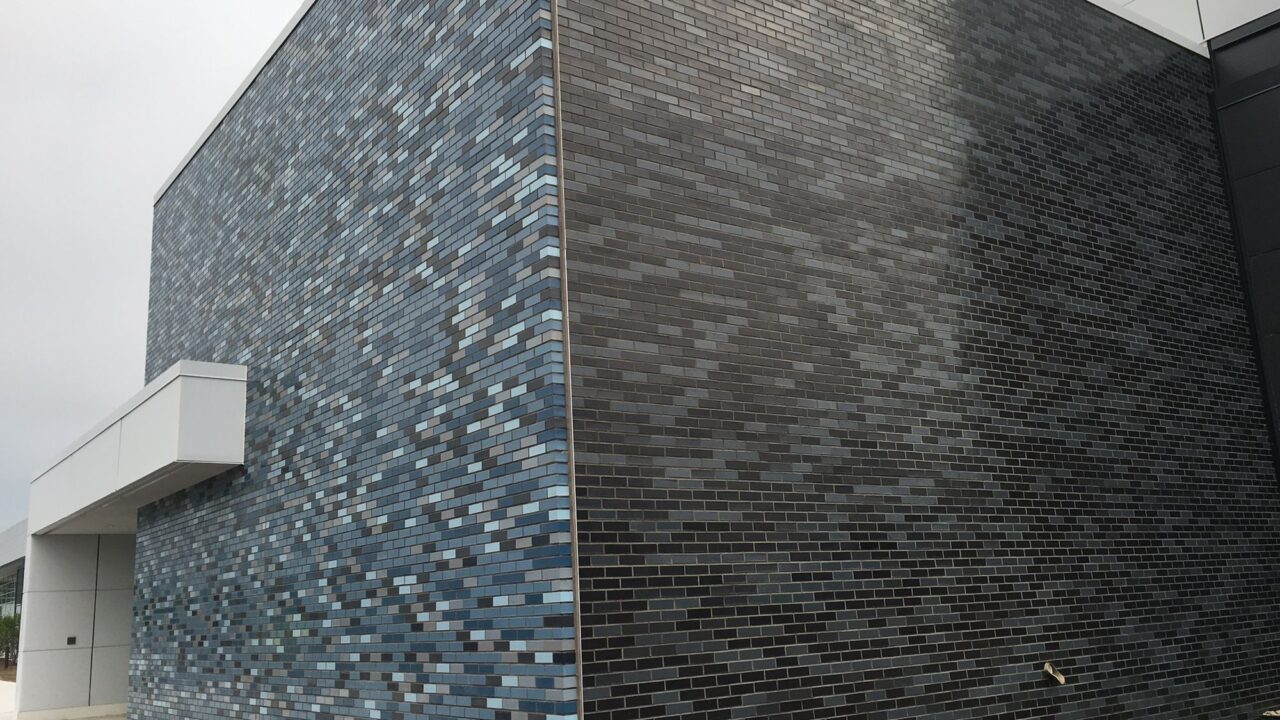
Brick Trends: Sleek Glazes, Thin Brick and Metallics in Bold Colors
Here's a breakdown of new trends in commercial and residential brick applications from the Brick Industry Association.
Disrupting the Future of Construction Soundproofing
The future and economic sustainability of commercial soundproofing depends on the implementation of new innovative materials and the industry’s understanding of their applications and cost-benefit ratios.