American Society of Civil Engineers (ASCE) Standard 41-17, “Seismic Evaluation and Retrofit of Existing Buildings,” provides engineers and builders with a tool to evaluate and optimize seismic performance of existing buildings.
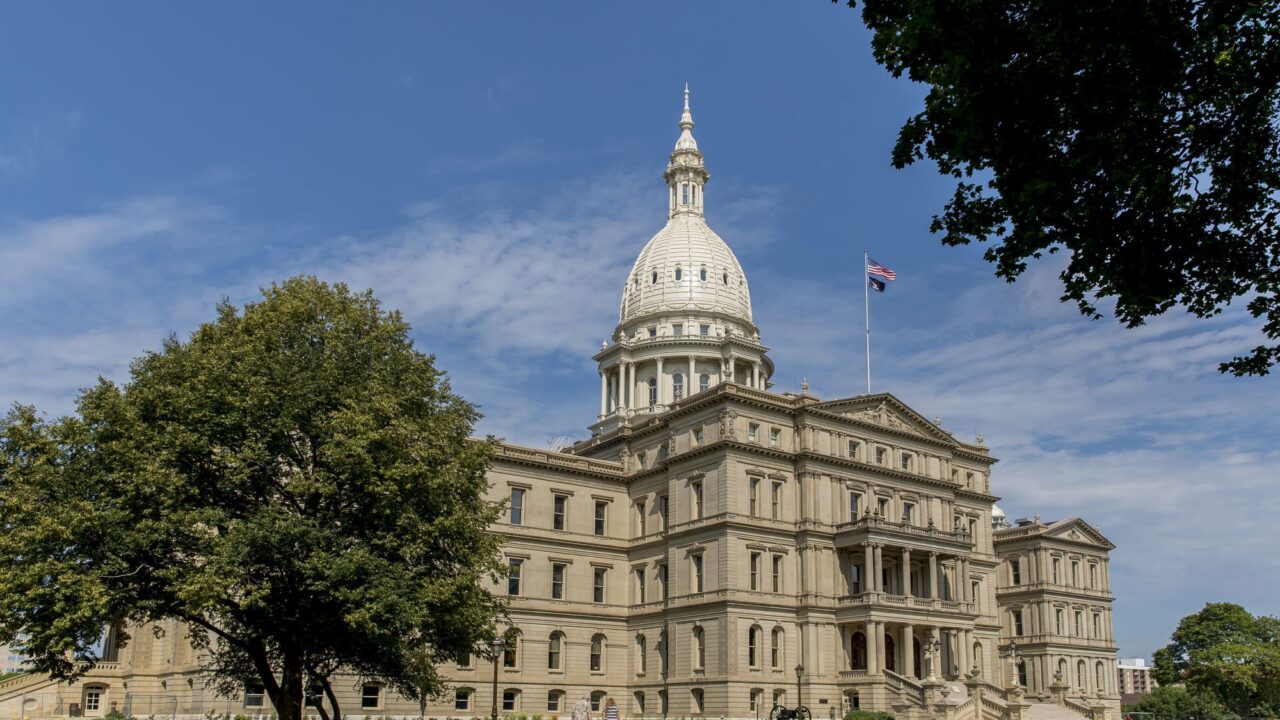
Michigan Legislature Repeals Prevailing Wage Law
The Michigan Legislature voted to repeal the state’s prevailing wage law, which was enacted in 1965, by a 23-14 margin in the Senate and a 56-53 margin in the House of Representatives.
Resilience and the National Model Building Codes
Designing and upgrading buildings that can withstand disasters is becoming increasingly important. Resilient codes and standards are increasingly being mandated through regulation and legislation.
Wisconsin and Pennsylvania Update Building Energy Codes
Wisconsin updated its Commercial Building Code from the 2009 to the 2015 International Building Code. Pennsylvania builders will be required to comply with new residential and commercial energy regulations that align with the 2015 model International Energy Conservation Code.
Advanced Contracting Solutions
It is no secret that distressed companies can leverage the Bankruptcy Code to sell their assets free and clear of liens, claims, encumbrances, judgments or other obligations.
Merit Shop Construction and The Trump Labor Agenda
The second year of the Trump administration has been filled with controversies, but the labor agencies’ deregulatory approach generally has been positive for the business community.
2018 Executive Insights: Construction Law
Industry experts weigh in on construction legal advice.
Special Purpose Entities: Are Parent and Subsidiaries Separate or Joined?
Special purpose entities (SPE) are commonly used to shield a company from risk in construction. An SPE is an entity, like an LLC, that is set up by a parent company to do one thing - to own a single asset such as a building under construction.