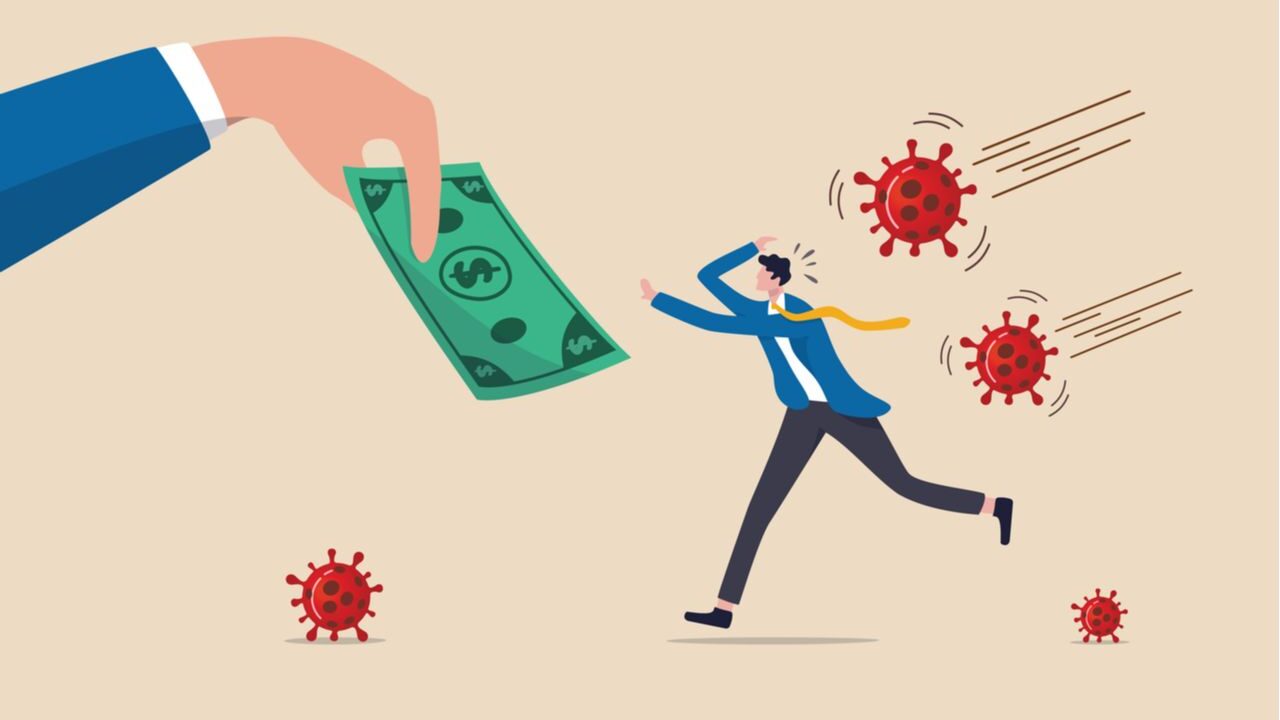
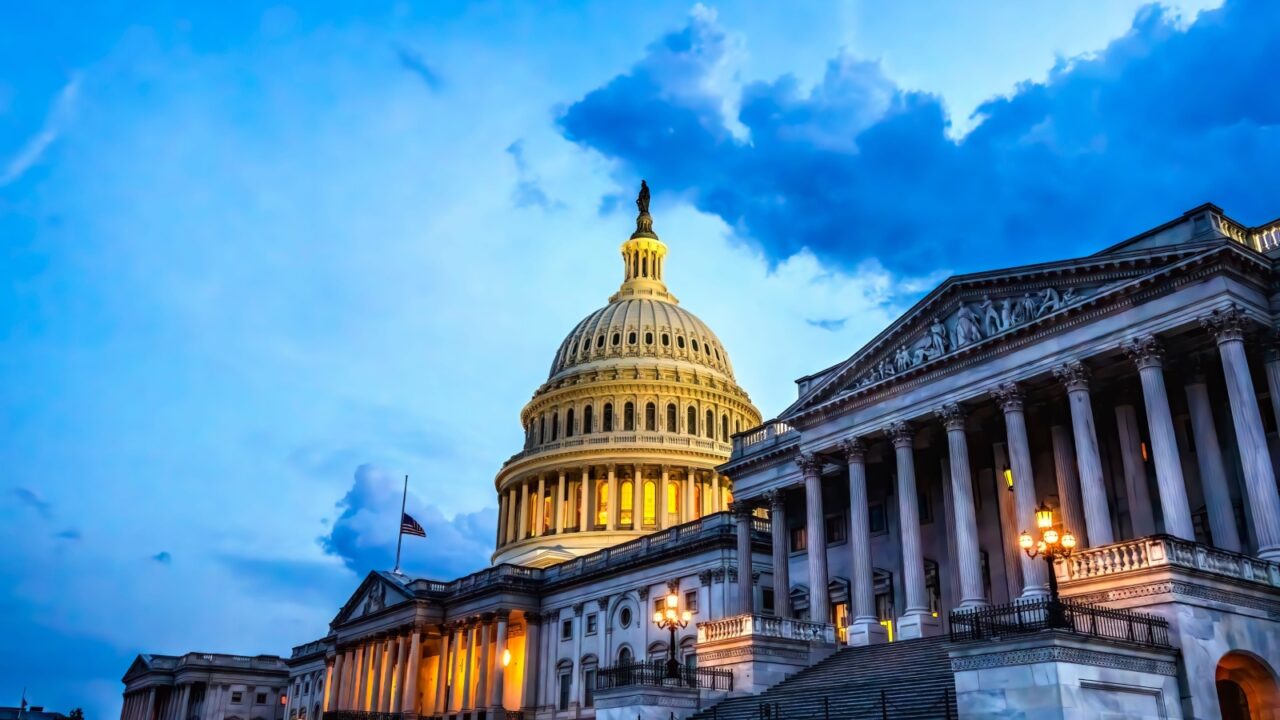
Last week, the Federal Reserve took additional actions to provide up to $2.3 trillion in loans to support the economy during the COVID-19 health crisis.
Conformity with FAA regulations is just the start to a robust and legally compliant drone program. Contractors also need a risk management program that addresses prevention and mitigation.
When critical path activities are delayed by the owner (or another party), contractors will sometimes “pace,” or slow down, other activities to match the owner-caused delay. What should contractors do to preserve their rights to obtain more than a simple time extension?
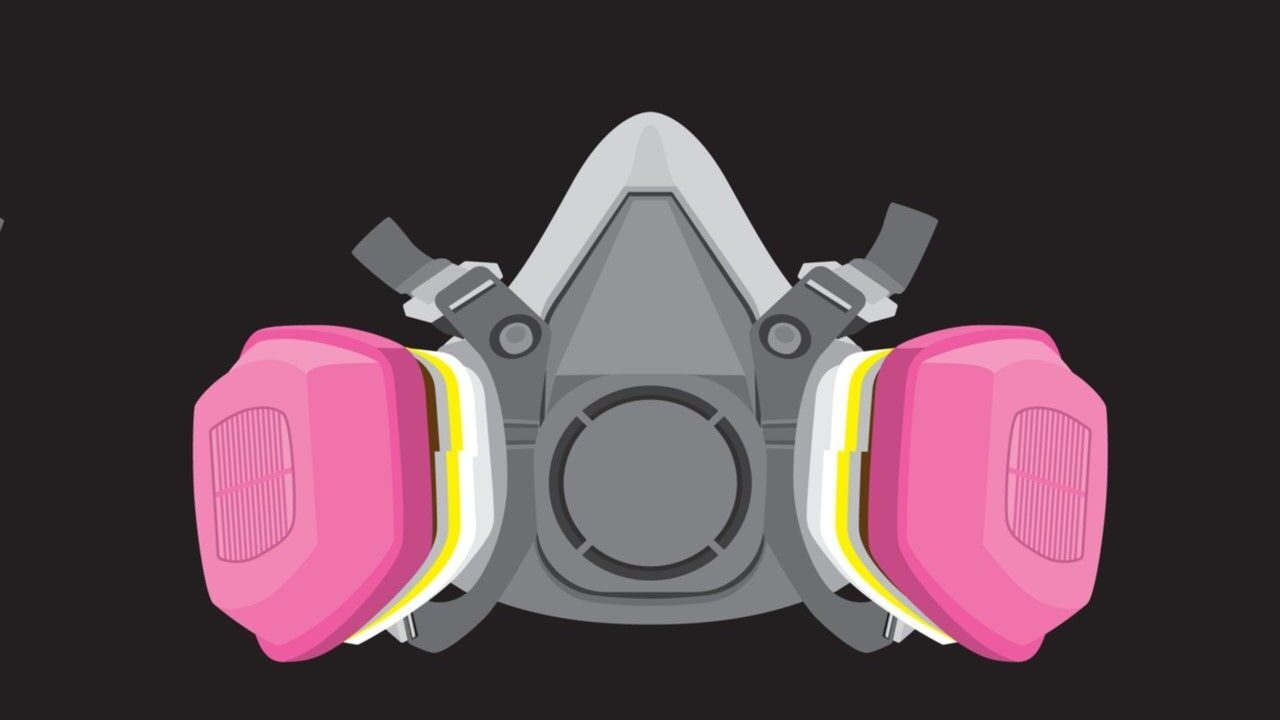
On April 3, OSHA released temporary enforcement guidance to employers currently faced with a shortage of N95 respirator masks because of the COVID-19 pandemic. The guidance applies to all industries.
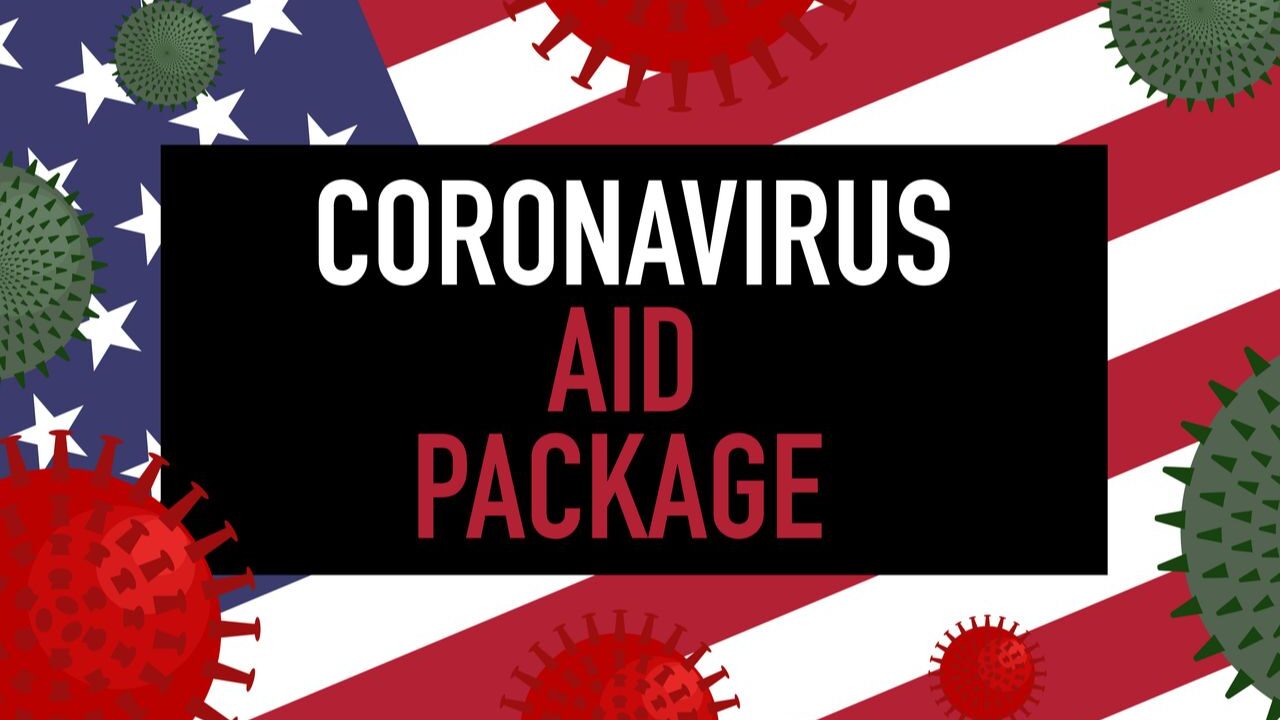
As construction executives grapple with the unprecedented impact COVID-19 will ultimately have on their businesses, a great deal of uncertainty remains. From a risk management perspective, the recent Coronavirus Aid, Relief, and Economic Security (CARES) Act, signed into law on March 27, offers a glimpse at the future in terms of what relief will be available and opportunities for new projects in a post-coronavirus world.
The CARES Act provides approximately $2 trillion in aid to individuals and businesses throughout the country. Contractors are encouraged to consult with their accountants and financial advisers on the new payroll and tax provisions.
Construction contractors and design professionals working on public projects are caught in the crosshairs of COVID-19. Public construction revenues are at stake, and those impacted need to analyze their contractual rights and responsibilities.
President Trump announced the federal government will invoke the Defense Production Act (DPA) to obtain necessary medical equipment and supplies from private industry. Here are answers to some of the most frequently-asked DPA questions.
Construction Executive’s premier weekly newsletter, CE This Week, brings you topical, relevant content on business, technology, safety, risk and other areas of importance for construction professionals.