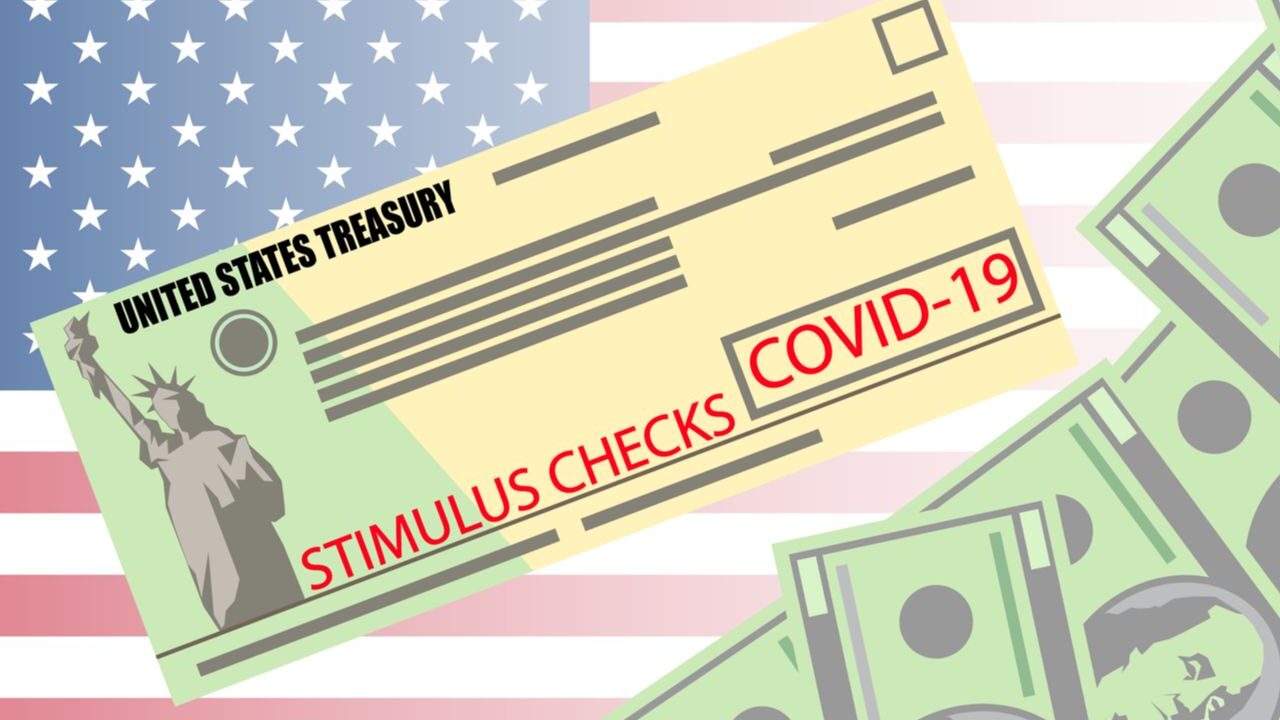
The spread of the COVID-19 virus poses great challenges to government contractors in meeting the needs of their universal customer, the U.S. government. These contractors can take proactive measures to avoid loss and maximize business potential.
Families First Coronavirus Response Act Signed
President Trump signed the Families First Coronavirus Response Act shortly after it passed through the Senate on March 18. The legislation, which goes into effect 15 days after enactment, includes several exemptions and tax credits.
Extreme Remedies to License Violations—Know the Risk
Inadvertent licensure violations pose a serious risk to contractors, especially in states with a disgorgement remedy, which requires unlicensed contractors to pay back amounts received for work.
To Arbitrate or Not to Arbitrate
Construction contracts may have mandatory arbitration provisions but sometimes contain a provision that allows either party to agree to arbitration. With that option come several considerations.
Coronavirus and the Construction Industry: How to Handle an Inevitable Delay
COVID-19 may affect construction materials and labor. Now’s the time to check contract language and supplier agreements for force majeure clauses, and develop a plan in the event of a labor shortage.
Contract Provisions That Help Manage Risk on Long-Term Projects
There are contractual provisions that can provide clear guidance in the face of many “what ifs” in construction, such as cost increases or delays caused by the owner or outside events.
Best Practices for Claims Involving Traveling Employees
Construction industry leaders face unique challenges when it comes to managing “traveling employees” whose positions do not involve typical hours or locations.
U.S. House Passes Big Labor Bill That Would Subvert Workers’ and States’ Rights
On Feb. 6, the U.S. House of Representatives passed the deceptively named Protecting the Right to Organize Act. The PRO Act is rife with policies that impose radical changes to settled U.S. labor law, benefiting big labor at the expense of workers’ rights and the well-being of the nation’s small businesses.