With the exit of Sen. Bernie Sanders (D-Vt.) from the 2020 Democratic Presidential Primary, two familiar names are left at the top of the ticket: President Donald J. Trump and former two-time Vice President Joe Biden.
Before filing a claim for cost or delay due to the pandemic, review the contract for a force majeure provision. If none, there may be other basis, such as unavailability of labor and materials and social distancing rules that impeded work.
Internships are a key component to educating and training the industry’s future workforce. However, contractors must first consider Fair Labor Standards Act or state-equivalent wage-and-hour laws.
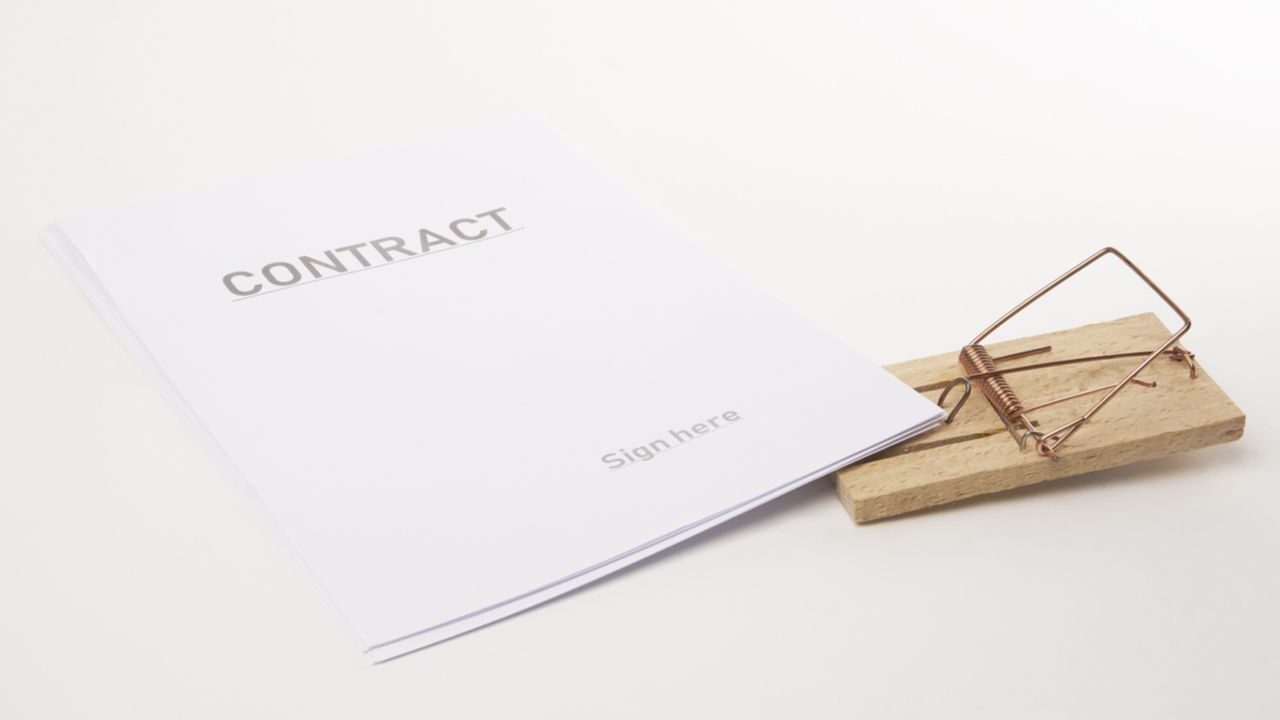
Manage difficult or inexperienced owners and their expectation by including contract provisions that reduce their ability to delay a project, withhold payment or interfere with construction.
After approving the Payroll Protection Program, the government added requirements and other concerns. The U.S. Treasury has sought to address these issues, and contractors can take some internal precautions as well.
Construction Executive’s premier weekly newsletter, CE This Week, brings you topical, relevant content on business, technology, safety, risk and other areas of importance for construction professionals.