There is just over one week left to apply for the extended period of the Paycheck Protection Program, which will accept new applications through Aug. 8.
The many representations and certifications contractors must adhere to have legal consequences. Inaccurate or incomplete representations can impair the validity of the contract.
Contractors may see performance costs increase due to efforts to control the spread of the coronavirus. The good news is there are potential avenues for recovering those costs.
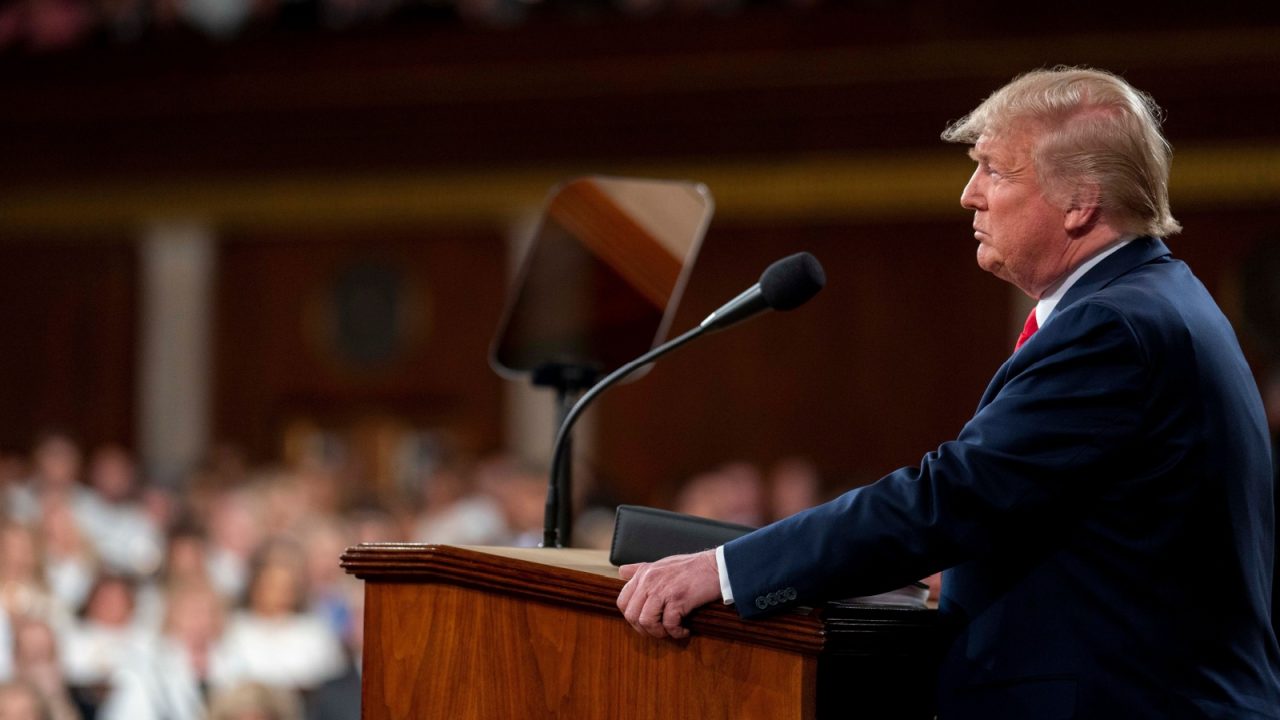
With the exit of Sen. Bernie Sanders (D-Vt.) from the 2020 Democratic Presidential Primary, two familiar names are left at the top of the ticket: President Donald J. Trump and former two-time Vice President Joe Biden.
After approving the Payroll Protection Program, the government added requirements and other concerns. The U.S. Treasury has sought to address these issues, and contractors can take some internal precautions as well.
As marijuana legalization continues to expand across the country—as of Jan. 1, eleven states and Washington, DC, have legalized recreational use of cannabis and 33 states have legalized medical use—HR leaders in the construction industry must take note and take action to ensure worker safety and minimize legal risks to their companies.
The COVID-19 pandemic has severely impacted communities, the health care system and the economy. Thankfully, Congress has acted with swift, bipartisan approval of significant emergency relief.