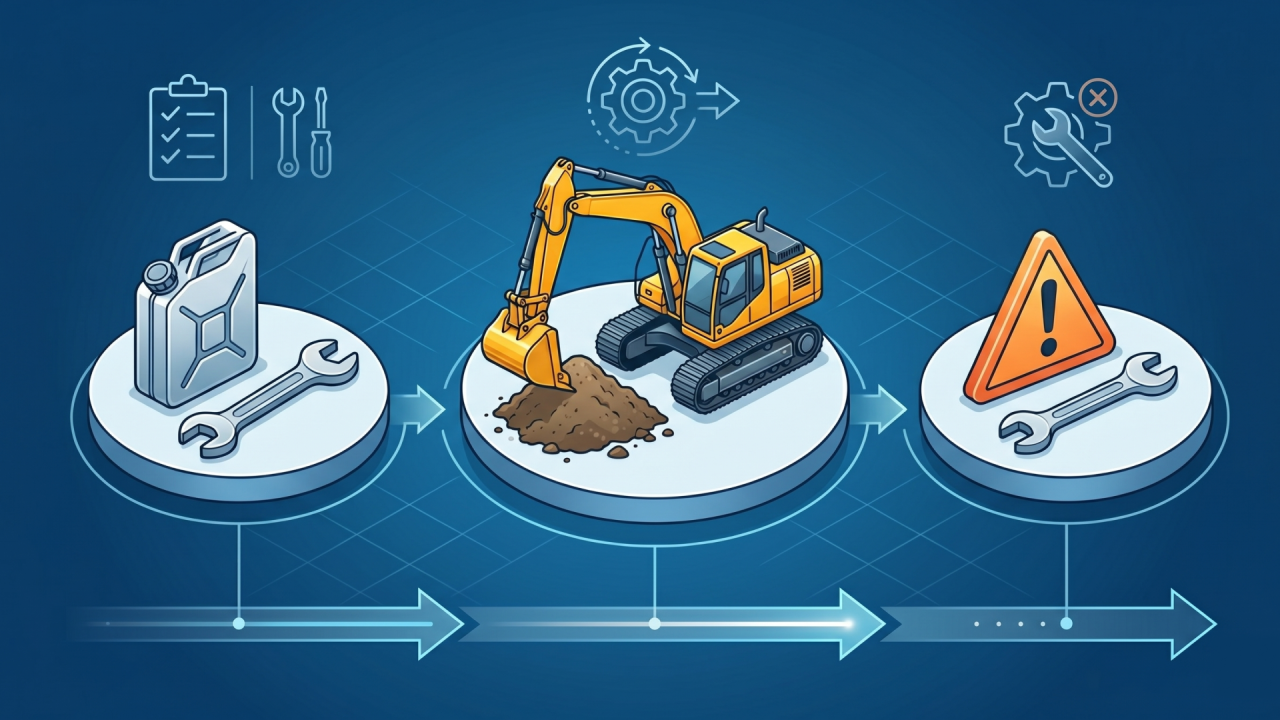
Preventive maintenance is essential to keeping maintenance costs low and uptime high, and heavy construction contractors will struggle to sustain a strong preventive maintenance program without specialized software.

Three Benefits of IoT Technology for Construction Equipment
Major construction firms will continue to beef up their workflow with advanced technologies, leaving others in the dust. The future of construction is in big data and contractors must build capacity to harness it.
Boost the Bottom Line With Equipment Benchmarking
The remedy for improving equipment utilization and reducing overspending begins with understanding the problem and then making informed decisions that produce corrective actions.
Create a Successful Distracted Driving Prevention Program
The negative societal impacts of distracted driving are widespread. It is not acceptable for commercial businesses to contribute to hazardous roadways when there are so many affordable and effective tools available.
Four Things Construction Professionals Need to Know About Asbestos
Asbestos exposure is a health risk and financial liability for construction professionals, so understanding those consequences along with OSHA regulations, identification and mitigation, and what workers with a history of exposure should do is key.
Purchasing Construction Equipment: Calculating the Return on Investment
Buying used construction equipment, especially high-ticket items, can be an unsettling process. There are few resources to know what is considered a good price before purchasing.
Two Studies Evaluate New-Generation Diesel Emissions in the Real World
The new generation of advanced diesel technology delivers a positive climate impact because it is near-zero emissions and is more fuel efficient, which translates into lower GHG emissions.
Increase Productivity and Cost Savings With Site Logistics Planning
Not all construction solutions are found in the latest technology. That’s where developing a more proactive versus reactive culture on project sites becomes pertinent, and where simple demand planning can drive increased productivity and cost savings.