By spending time each month making sure the company books are up-to-date, business owners will have a better idea about the financial health of the company, as well as a much less time-consuming and stressful tax season.
Trump proposed big plans for changes related to tax credits, deductions, expenditures and rates that would affect construction companies. Learn how your business could be affected if his proposals gain congressional approval.
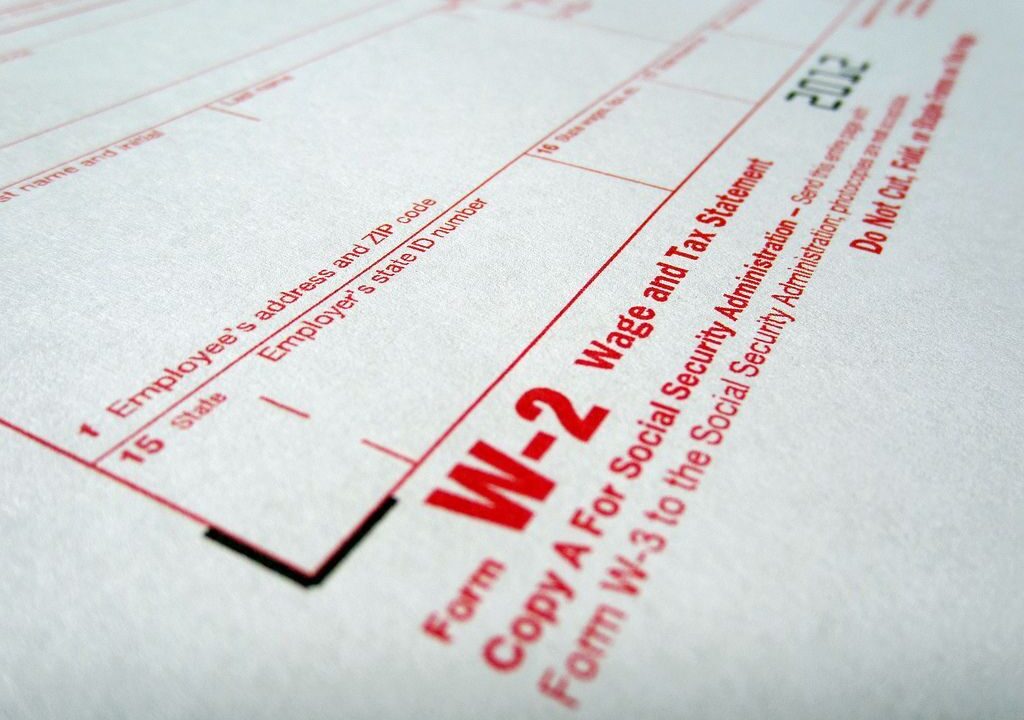
Construction companies must send employees W-2 forms by Jan. 31, 2017, which is one month earlier for paper filers and two months earlier for electronic filers. Learn about all related deadlines and how to comply.
All contractors should be aware of tax deferral strategies and tax savings opportunities that are available to the industry. A tax deferral is a cash flow strategy that can help maintain fluid operations. Contractors must have a plan for creating the deferral and unwinding it.
Employers must begin using revised I-9 Forms Jan. 22, 2017, to verify all new hires' employment eligibility, including U.S. citizens and non-citizens. Employers that fail to use the new form on or after Jan. 22 may be subject to penalties.