Ultimately, the schedule is the tool that will determine project success. Ensuring it is communicated accurately, consistently and completely with all teams is the only way to maximize its potential.
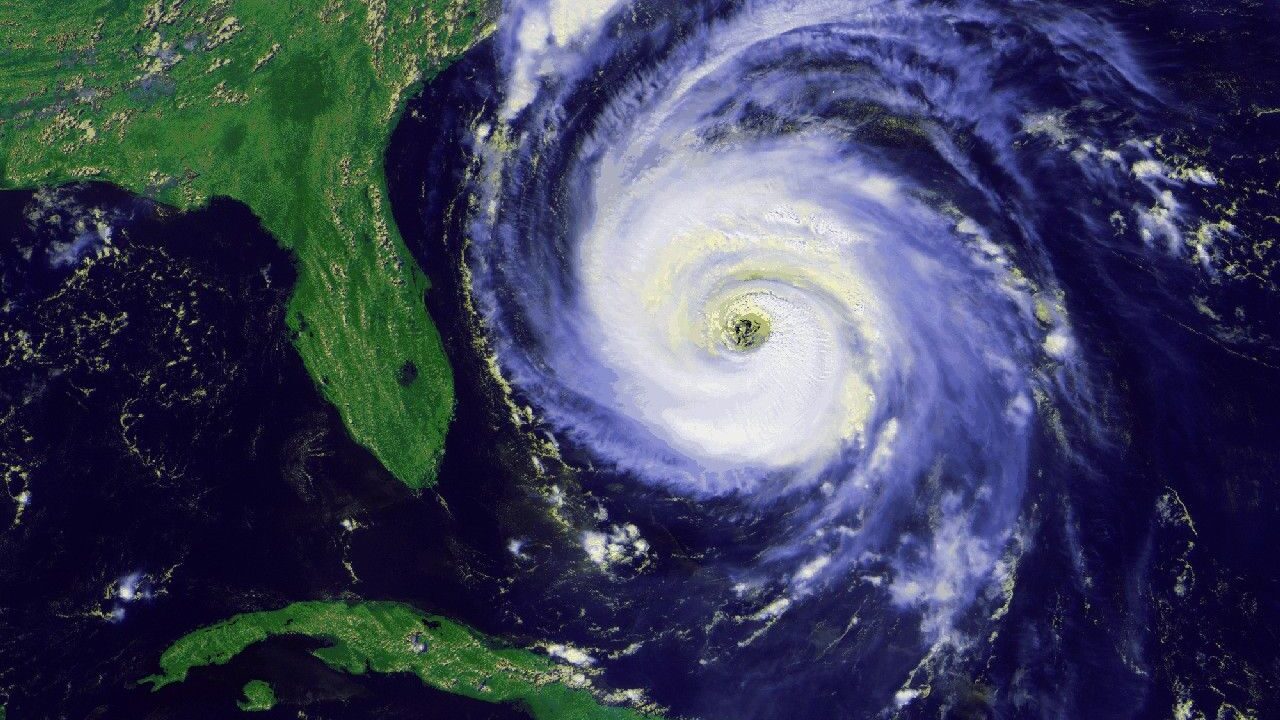
No amount of preparedness or planning can fully guarantee that a business’ operations will never be interrupted due to a natural disaster. However, adopting these best practices will go a long way to helping construction companies minimize downtime.
A frequently overlooked area of disaster preparedness is the development and implementation of a business continuity plan. With just a small investment of time, contractors can develop a solid plan and strategy for avoiding serious and costly disruption.
Social media is often overlooked by contractors as an effective marketing tool. Its strength is interactive communication and connecting businesses to customers and to other businesses. But the biggest asset may be its ability to increase a company’s exposure.
Construction Executive’s premier weekly newsletter, CE This Week, brings you topical, relevant content on business, technology, safety, risk and other areas of importance for construction professionals.