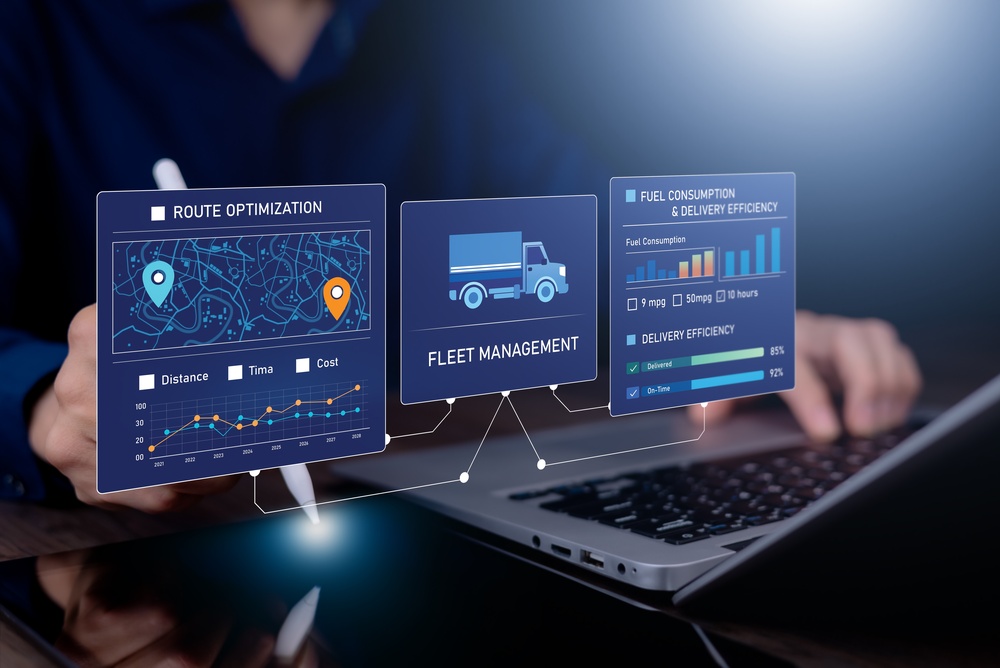
Construction companies rely on vehicles and heavy equipment to keep projects moving. However, fuel expenses, labor inefficiencies and unexpected equipment repairs can quickly increase operating costs. Even minor problems, such as excessive idling or poorly coordinated deliveries, can affect profitability when they occur across multiple jobsites.
Many contractors already collect valuable information about their fleets through GPS tracking, telematics and maintenance records. The challenge is turning that information into useful decisions. By examining how vehicles and equipment are used, construction leaders can identify unnecessary expenses, improve resource allocation and reduce disruptions that affect project schedules.
Understanding Fleet Data in Construction
Fleet data includes information about vehicle locations, engine hours, fuel consumption, equipment activity and maintenance needs. GPS tracking systems and telematics technology help collect this information, giving managers a clearer picture of daily operations.
For construction companies, these insights are particularly useful because vehicles and equipment often move between jobsites. A truck might spend part of the day transporting materials, while an excavator remains at another location waiting for its next assignment.
Without reliable information, managers may struggle to determine whether equipment is being used efficiently. Fleet management systems can help identify patterns that might otherwise go unnoticed.
However, collecting information is only the first step. Construction leaders must establish performance benchmarks, review the results and make operational adjustments based on what the data reveals.
Reducing Fuel Costs Through Better Fleet Visibility
Fuel is a major operating expense for construction companies, particularly those managing heavy equipment and multiple work vehicles. While fuel prices are largely outside a contractor’s control, how that fuel is consumed presents opportunities for savings.
Excessive engine idling is one common source of unnecessary fuel consumption. Construction equipment may remain running while operators wait for materials, instructions or other machines to finish their work. Work trucks can also accumulate idle time during deliveries and jobsite visits.
Telematics systems that monitor engine activity can help managers identify vehicles and equipment with unusually high idle times. Comparing these patterns across similar machines may reveal inefficient operating practices or scheduling problems.
For example, if several dump trucks routinely wait for a single loader, the issue may involve equipment coordination rather than individual operator behavior. Adjusting loading schedules or equipment assignments could reduce waiting time and unnecessary fuel consumption.
GPS tracking can also help contractors review travel routes and vehicle movement. Repeated trips between jobsites, inefficient delivery routes and unnecessary travel can increase fuel expenses.
By reviewing fuel consumption, idle hours and travel patterns regularly, fleet managers can identify where changes are needed and measure whether those adjustments produce results.
Improving Labor Efficiency and Equipment Utilization
Labor costs can increase when employees spend time waiting for equipment, traveling between locations or dealing with scheduling problems. Fleet data can help construction companies identify these inefficiencies and coordinate resources more effectively.
Consider a contractor operating several commercial jobsites. If managers lack visibility into vehicle locations, they may send a crew to retrieve equipment that is already assigned elsewhere. This can create unnecessary travel, delay work and increase labor expenses.
GPS-based fleet tracking provides location information that can support dispatching and scheduling decisions. For smaller contractors, fleet tracking for small business can help managers coordinate a limited number of vehicles without relying entirely on phone calls or manual updates.
Equipment utilization data offers another opportunity to improve efficiency. A machine that remains unused for extended periods may represent an unnecessary expense, especially when the company continues paying for ownership, insurance and maintenance.
By comparing operating hours with productive use, construction leaders can identify underutilized equipment and determine whether it should be reassigned to another project.
These insights can also support better crew coordination. When managers know which equipment is available and where it is located, they can schedule work more effectively and reduce delays caused by missing resources.
Fleet data does not replace project planning or workforce management. However, combining equipment information with schedules and labor records can provide a more complete picture of productivity.
Controlling Maintenance Costs and Preventing Downtime
Unexpected equipment failures can create expenses beyond the cost of repairs. When a critical machine breaks down, construction companies may face delayed work, idle crews, emergency service charges and additional equipment rental expenses.
Fleet data can help contractors take a more proactive approach to maintenance.
Traditional maintenance schedules often rely on calendar intervals or manually recorded operating hours. Telematics systems that capture engine hours can help maintenance teams schedule service based on actual equipment use.
For example, two excavators purchased at the same time may accumulate operating hours at different rates. Scheduling maintenance according to each machine’s usage can help avoid missed service intervals or unnecessary maintenance.
Some telematics systems also provide diagnostic information and alerts that indicate potential mechanical problems. Reviewing these notifications alongside inspection results and maintenance records can help teams prioritize repairs before minor issues become more serious.
Historical maintenance information is equally valuable. Tracking recurring repairs, downtime and service expenses allows managers to identify equipment that is becoming increasingly costly to operate.
A machine that requires frequent repairs may no longer be economical to maintain, even if it remains functional. Comparing repair expenses with replacement costs, equipment age and expected future use can support more informed decisions.
Preventive maintenance cannot eliminate every breakdown. However, using equipment data to plan service and address developing problems can reduce avoidable disruptions and improve equipment availability.
Turning Fleet Data Into Better Financial Decisions
Fleet information becomes most useful when construction companies connect operational performance with financial results. Fuel consumption, equipment utilization, labor hours and maintenance expenses all contribute to the total cost of operating a fleet.
Construction leaders can begin by identifying a manageable set of performance indicators. These might include fuel consumed per operating hour, average idle time, maintenance cost per machine and equipment utilization rates.
Reviewing these measurements over time helps managers identify trends and determine whether operational changes are working.
For example, a contractor might discover that a particular machine has low utilization but high maintenance expenses. Rather than automatically replacing it, managers can compare the cost of ownership with renting equipment when needed.
Similar analysis can inform vehicle assignments; equipment purchases and decisions about moving assets between jobsites.
The key is to focus on information that supports specific decisions. Collecting large amounts of data without establishing priorities can make it harder to recognize meaningful problems.
Starting with a few measurable goals allows construction companies to develop a more practical approach to fleet cost management.
Building a More Cost-Efficient Construction Fleet
Controlling fleet expenses requires more than monitoring vehicles and equipment. Construction companies must understand how daily operating decisions affect fuel consumption, labor productivity and maintenance costs.
Fleet data provides the information needed to identify inefficiencies, evaluate equipment performance and make adjustments before unnecessary expenses accumulate. By establishing useful benchmarks, reviewing results regularly and connecting operational information with financial decisions, construction leaders can make better use of their existing resources while supporting more predictable project costs.
SEE ALSO: CONNECTED RENTAL TECHNOLOGY IS RESHAPING CONSTRUCTION OPERATIONS