Safety concerns and issues are always looming large on construction sites due to the constantly changing and sometimes precarious surroundings; the handling of large and sometimes unstable equipment; and the use of chemicals and materials that may pose health, site and environmental risks. Clearly, ensuring safety on a construction site is top of mind for site/building owners, architects, contractors and work crews. Safety needs to be a major consideration when deciding on which vendors and products to use for each project and phase on a construction site.
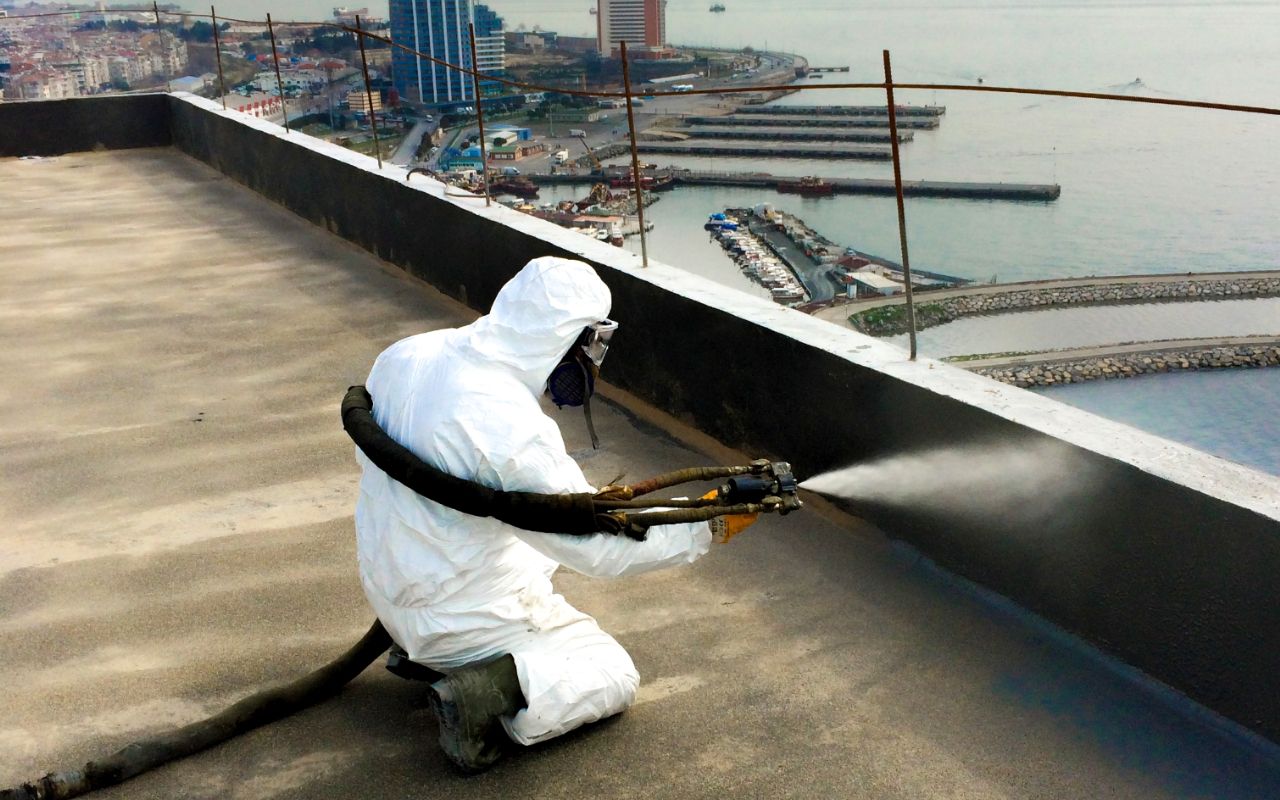
Waterproofing of roofs, podium and plaza decks, and other new or existing elevated structural decks can be accomplished with either a cold-applied or hot-applied liquid waterproofing product, each of which has its advantages.
Jobsite Safety Issues
Hot Rubberized Asphalt
The elements that create significant safety concerns with any project—the use of heat, open flame and anything flammable—are all required by hot rubberized asphalt (HRA). An HRA installation involves using a large, heavy kettle for heating up the asphalt to 375°F to 400°F, which can take three hours, then keeping it hot during the waterproofing process. The kettle is heated with propane, adding open flame and pressurized flammable gas hazards to the jobsite. The HRA itself can cause serious burns if it contacts the skin.
HRA installations require hot work permits for the duration of the application and beyond to assure fire risks are controlled. In some jurisdictions, there are also fire marshal restrictions for the jobsite.
In addition to heat and flame, HRA produces a noxious odor and fumes that can be disturbing and become a nuisance to neighbors, leading to complaints. More importantly, the level of VOCs HRA produces can be harmful and negatively impact the environment.
Cold-Applied Waterproofing
Cold-applied waterproofing products do not have these same physical hazards. The use of propane or flame are not necessary to prepare cold-applied materials and there are no hot kettles or buckets involved, making cold-applied waterproofing a safer, fire and burn-hazard free option without compromising performance.
Conclusion
Cold-applied liquid waterproofing offers easy application free from the hazards that come with the heat and flame required by HRA applications.